Should You Use Sauna When Sick? Safety Guidelines

Using a sauna when you're sick is generally not recommended, though the answer depends critically on whether you have active symptoms or just feel slightly run down. If you have a fever above 99.5°F, productive cough, body aches, or flu-like symptoms, skip the sauna entirely, the added heat stress can overwhelm your already-taxed cardiovascular system and worsen dehydration. However, if you're experiencing only very mild congestion with no fever and normal energy levels, a brief, lower-temperature session might be safe with proper precautions.
Table of Contents
- The Science Behind Saunas and Illness: Prevention vs. Treatment
- How Regular Sauna Use Prevents Colds and Flu
- Why Your Body Reacts Differently When Already Sick
- When Sauna Use Is Safe During Mild Illness
- Safe Conditions: The Checklist Approach
- Hydration Protocol for Safe Sessions
- When You Must Avoid the Sauna: Critical Warning Signs
- Illness Symptoms That Rule Out Sauna Use
- Health Conditions Requiring Extra Caution
- Emergency Warning Signs During Sauna Use
- Smart Guidelines for Sauna Sessions When Under the Weather
- Before, During, and After: Step-by-Step Safety Protocol
- Preventing Disease Transmission in Shared Saunas
The confusion stems from conflating two different scenarios: regular sauna use to prevent illness versus using heat therapy to treat active infection. Research shows clear prevention benefits, but science now confirms what practitioners have known, your body responds very differently to heat when already fighting disease.
The Science Behind Saunas and Illness: Prevention vs. Treatment
The distinction between prevention and treatment matters more than most wellness advice acknowledges. Regular sauna bathing in healthy individuals strengthens immune defenses through hormetic stress, similar to how exercise builds resilience. When you're already sick, that same stress becomes a burden rather than a benefit.
Sauna Use: Prevention vs. Treatment Outcomes
| Aspect | Regular Sauna Use (Prevention) | Using Sauna When Already Sick (Treatment) |
|---|---|---|
| Body State | Healthy with strong immune function | Already fighting active infection |
| Heat Stress Response | Beneficial hormetic stress that builds resilience | Becomes a burden on taxed systems |
| Cardiovascular Impact | Strengthens heart function over time | Compounds existing increased heart workload |
| Immune Effect | Enhances white blood cell production and heat shock proteins | Disrupts fever's infection-fighting purpose |
| Dehydration Risk | Manageable with proper hydration protocol | Severe risk; illness already depletes fluid reserves |
| Frequency for Benefits | 2-3 times weekly for accumulated benefits | Not recommended; benefits don't apply to acute illness |
| Research Support | Systematic reviews show reduced cold incidence | Limited evidence; risks outweigh potential benefits |
How Regular Sauna Use Prevents Colds and Flu
A systematic review published in 2020 found that regular sauna bathing might reduce the incidence of common colds, though researchers noted the evidence quality remains limited (according to research published in the National Institutes of Health database). The preventive mechanism operates through several pathways: improved mucosal clearance in your respiratory tract, enhanced white blood cell production, and increased heat shock proteins that strengthen cellular defenses.
The Finnish sauna tradition offers the most compelling long-term data. A prospective cohort study tracking middle-aged adults found that those who used saunas 2-3 times weekly experienced reduced respiratory disease risk compared to once-weekly users (according to a 2018 systematic review in BMC Medicine). Your immune system adapts to repeated heat exposure by becoming more responsive to threats.
Here's the thing, these benefits accumulate through consistent practice over months, not from a single session when you feel a cold coming on. The heat stress triggers production of heat shock proteins that protect cells from damage and help regulate immune responses. Think of it as training your immune system through controlled challenges, much like strength training builds muscle resilience.
Why Your Body Reacts Differently When Already Sick
Your fever serves a specific purpose: raising core temperature to create an inhospitable environment for pathogens while signaling your immune system to mobilize defenses. Adding external heat disrupts this carefully calibrated response and can push your body temperature to dangerous levels (according to Harvard Medical School).
Sauna bathing increases heart rate and cardiac output comparable to moderate physical exercise, raising your metabolic rate significantly. When you're healthy, this cardiovascular workout strengthens your system. When you're fighting infection, your heart already works harder to support immune function and manage fever, the compounded demand can overwhelm your cardiovascular capacity, particularly if you're over 50 or have existing heart conditions.
Dehydration represents the most immediate risk. Illness already depletes fluid reserves through fever, mucus production, and reduced intake. A typical 15-minute sauna session causes significant fluid loss through sweating. This combination can lead to dangerous dehydration that worsens symptoms, thickens mucus, and impairs the immune response you're trying to support.
When Sauna Use Is Safe During Mild Illness
Honestly, the safest approach when you're under the weather is to wait. But if you're determined to assess whether a session might be appropriate, specific criteria can help you make a safer decision. These guidelines apply only to very mild symptoms, not moderate or severe illness.
Sauna Safety Checklist for Mild Illness
| Safety Criterion | Safe to Use Sauna | Do Not Use Sauna |
|---|---|---|
| Body Temperature | Below 99.5°F (no fever) | 99.5°F or above |
| Respiratory Symptoms | Only minor nasal congestion | Productive cough or chest involvement |
| Energy Level | At least 70% of normal baseline | Below 70% of normal baseline |
| Neurological Symptoms | No dizziness or lightheadedness | Any dizziness, lightheadedness, or balance issues |
| Hydration Status | Well-hydrated (clear or pale yellow urine) | Dehydrated or dark urine |
| Systemic Symptoms | No body aches, chills, or flu-like symptoms | Body aches, chills, or systemic symptoms present |
| Daily Function | Able to perform normal activities | Significant fatigue or inability to function normally |
Safe Conditions: The Checklist Approach
Before considering sauna use, verify every item on this checklist. Missing even one means you should wait.
- Oral temperature below 99.5°F (no fever or elevated temperature)
- Only minor nasal congestion without chest involvement
- Energy level at least 70% of your normal baseline
- No dizziness, lightheadedness, or balance issues
- Well-hydrated with clear or pale yellow urine
- No body aches, chills, or systemic symptoms
- Able to perform normal daily activities without significant fatigue
If you meet all criteria, limit sessions to 140-150°F maximum for just 10-15 minutes. These conservative parameters reduce cardiovascular demand and dehydration risk. Skip the traditional higher temperatures (170-190°F) that your body handles easily when healthy but become problematic when your system is compromised.
Hydration Protocol for Safe Sessions
Adequate hydration becomes critical when you're fighting even minor illness. Drink 16-20 ounces of water 30 minutes before entering the sauna, allowing time for absorption. Keep water immediately accessible during your session and sip frequently rather than waiting until you feel thirsty.
After exiting, consume 16-24 ounces of water within the first hour. Your urine should remain pale yellow. Dark urine, decreased urination frequency, dry mouth, or increased thirst signal inadequate hydration that requires immediate attention.
If you take diuretics for blood pressure or heart conditions, sauna use compounds fluid loss significantly. The same applies to ACE inhibitors and beta-blockers that affect how your body regulates temperature and blood pressure. These medications require consultation with your physician before any sauna use during illness, no exceptions.
When You Must Avoid the Sauna: Critical Warning Signs
Certain symptoms and conditions make sauna use dangerous regardless of how mild you think your illness is.
Illness Symptoms That Rule Out Sauna Use
Any fever above 99.5°F absolutely contraindicates sauna use. Your body already struggles to regulate elevated temperature, and external heat can push core temperature to dangerous levels that risk heat exhaustion or heat stroke (according to Harvard Medical School).
Productive cough with colored mucus signals lower respiratory involvement. The cardiovascular demands of sauna bathing stress your system when your lungs already work harder to maintain adequate oxygen exchange. Body aches indicate systemic infection that requires rest, not additional metabolic stress.
Respiratory infections including bronchitis or pneumonia make sauna use particularly risky. The hot, dry air can irritate already-inflamed airways and worsen breathing difficulties. Gastrointestinal illness with vomiting or diarrhea creates severe dehydration risk that sauna-induced fluid loss dangerously compounds.
Health Conditions Requiring Extra Caution
Cardiovascular disease changes how your heart responds to heat stress. Well, even stable heart conditions require physician clearance before sauna use during any illness. Uncontrolled hypertension poses particular risk because sauna bathing causes significant blood pressure fluctuations that can trigger cardiac events.
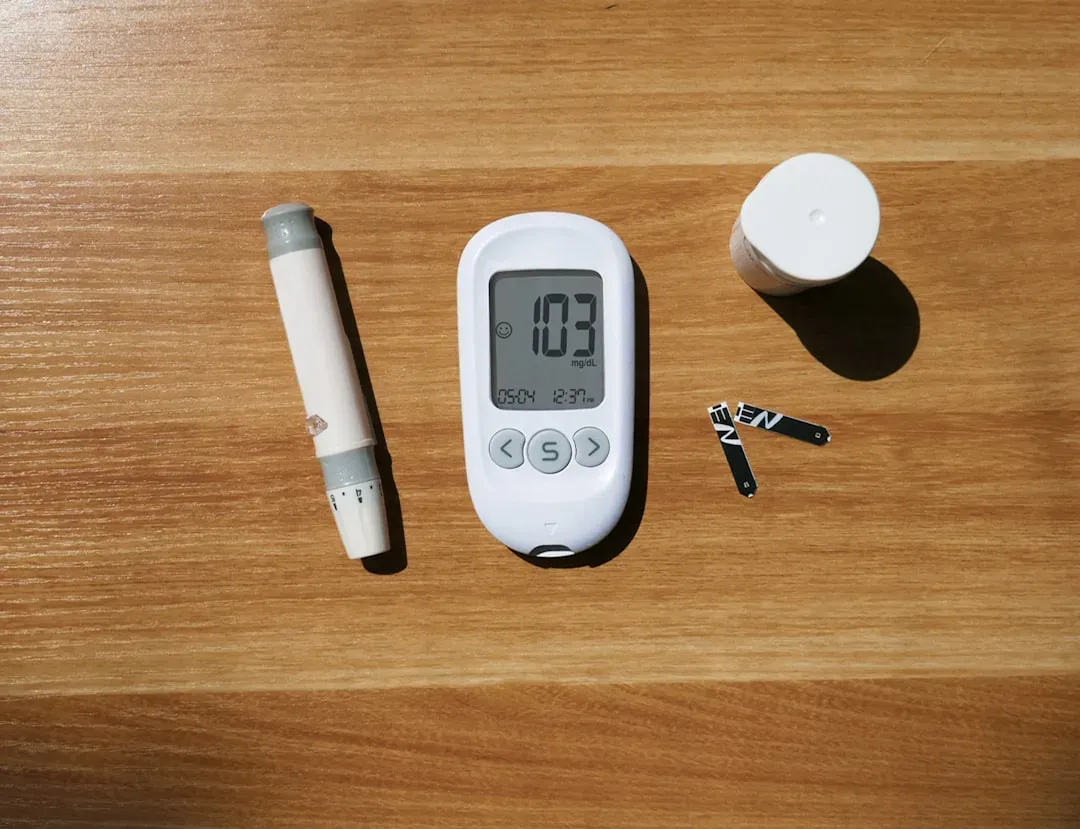
Diabetes affects both temperature regulation and immune response. Blood sugar management becomes more difficult during illness, and sauna-induced stress can cause unpredictable glucose swings. If you're taking insulin or oral diabetes medications, consult your endocrinologist before using saunas when sick.
Blood pressure medications including ACE inhibitors, beta-blockers, and diuretics interact with heat exposure by impairing your body's normal cooling mechanisms. Recent surgery within the past six weeks contraindicates sauna use because healing tissues require stable conditions and adequate hydration.
Compromised immune systems from chemotherapy, immunosuppressive medications, or conditions like HIV require extra caution. Your reduced immune capacity means infections pose greater risk, and the cardiovascular stress of sauna bathing can worsen your condition.
Emergency Warning Signs During Sauna Use
Exit immediately if you experience chest pain or pressure, difficulty breathing, extreme dizziness, confusion, or severe headache. These symptoms indicate dangerous cardiovascular or neurological stress requiring immediate medical evaluation.
Call 911 for chest pain, difficulty breathing, loss of consciousness, or confusion. Contact your doctor the same day for severe dizziness, persistent rapid heartbeat, or severe headache that doesn't resolve after cooling down and rehydrating.
Smart Guidelines for Sauna Sessions When Under the Weather
If you've carefully assessed your symptoms and determined a session might be safe, following specific protocols minimizes risk. These guidelines assume you meet all the safety criteria outlined earlier.
Before, During, and After: Step-by-Step Safety Protocol
Take your temperature 30 minutes before your session to confirm you remain fever-free. Complete your hydration protocol with 16-20 ounces of water. Eat a light meal 1-2 hours beforehand to maintain blood sugar stability without feeling uncomfortably full.
Bring a companion if possible, particularly if you're over 50. They can monitor for warning signs you might miss and assist if problems develop. Set a timer for 10 minutes maximum rather than relying on how you feel, since heat affects judgment.
During your session, monitor how you feel continuously. Exit immediately if you experience any warning signs, even if your planned time hasn't elapsed. Listen to subtle signals like increased fatigue, mild dizziness, or feeling unusually warm, these often precede more serious problems.
After exiting, cool down gradually rather than shocking your system with cold water. Sit quietly for 10-15 minutes while your heart rate returns to normal. Drink 16-24 ounces of water and rest for at least 30 minutes before resuming activities. Avoid alcohol, which compounds dehydration and impairs temperature regulation.
Preventing Disease Transmission in Shared Saunas
To be fair, you shouldn't use public or gym saunas when you're contagious, even if your symptoms seem minor. Most respiratory viruses remain transmissible for 5-7 days after symptom onset. The warm, enclosed environment of shared saunas facilitates disease transmission to other users.
For home saunas, clean all surfaces with appropriate disinfectant after each use during illness. Wait until you've been symptom-free for at least 48 hours before returning to shared facilities.
"For most respiratory infections like colds and flu, people are typically contagious from one day before symptoms appear until about five to seven days after becoming sick," says Dr. Aaron Glatt, Chief of Infectious Diseases and Hospital Epidemiologist at Mount Sinai South Nassau. "Immunocompromised individuals may remain contagious for longer periods, which is why waiting until you're completely symptom-free before returning to shared spaces is the safest approach for protecting others."
The most important takeaway: when in doubt, wait it out. The potential risks of using a sauna while sick significantly outweigh any perceived benefits. Your body needs rest and hydration to fight illness effectively, not additional cardiovascular stress. Save your sauna sessions for when you're healthy, where the proven prevention benefits can actually strengthen your immune system for the long term.
Related Articles
- Sauna Tips for Beginners: Safe & Effective Use
- Sauna Health Benefits: Complete Evidence-Based Guide
- Sauna Benefits and Disadvantages: Balanced Analysis
- Sauna Benefits for Cardiovascular Health: Complete Guide
- What to Drink After Sauna: Hydration Guide
- Sauna for Stress Relief: How Heat Therapy Reduces Anxiety

Frequently Asked Questions
Can I use a sauna if I have a mild cold with just congestion?
Only if you have no fever, normal energy levels, and very mild congestion. Keep the session brief, use lower temperatures, and ensure proper hydration. If you develop any other symptoms like body aches or fatigue, skip the sauna entirely.
What temperature is safe for a sauna session when mildly sick?
The article recommends using lower-temperature sessions when mildly ill, though specific temperature ranges aren't detailed. Consult with a sauna facility staff member or your healthcare provider for exact temperature guidance based on your condition.
How much water should I drink before, during, and after a sauna when sick?
The article emphasizes a hydration protocol is critical when using saunas while ill, as illness already depletes fluid reserves and dehydration risk is severe. Drink water before entering, consider sipping during the session if possible, and rehydrate thoroughly afterward—more than you would for a regular sauna visit.
Will using a sauna help me recover faster from a cold or flu?
No. Research shows limited evidence that sauna use treats active infections, and the risks outweigh potential benefits. Sauna's immune benefits come from regular preventive use in healthy people, not from treating existing illness.
What are the warning signs I should stop using a sauna immediately?
Stop immediately if you experience dizziness, chest pain, severe shortness of breath, or any signs of heat exhaustion. The article also lists fever above 99.5°F, productive cough, body aches, and flu-like symptoms as reasons to avoid saunas entirely.
Can I transmit my illness to others in a shared sauna?
Yes, shared saunas pose transmission risks when you're sick. The article addresses disease prevention measures, so avoid public saunas when symptomatic to protect others, and follow facility hygiene protocols when you do use them.
How often should I use a sauna for cold and flu prevention?
Research shows that 2-3 times weekly sauna use provides the best preventive benefits for reducing respiratory disease risk. Single sessions or occasional use won't provide meaningful immune protection against colds and flu.
Why does my fever serve a purpose I shouldn't disrupt with heat?
Your fever raises core body temperature to create an inhospitable environment for pathogens while signaling your immune system to mobilize defenses. Adding external sauna heat disrupts this carefully calibrated response and can dangerously elevate your body temperature.