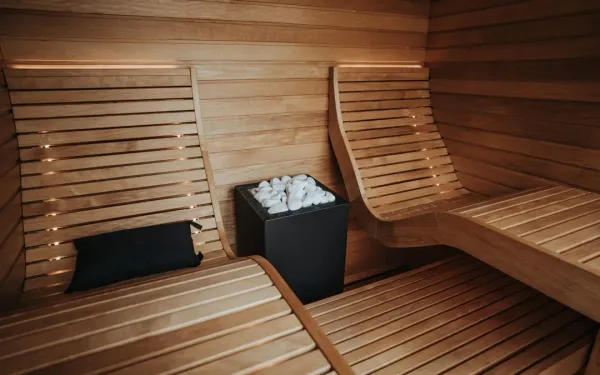
Home Sauna Buying Guide: Types, Costs & Installation
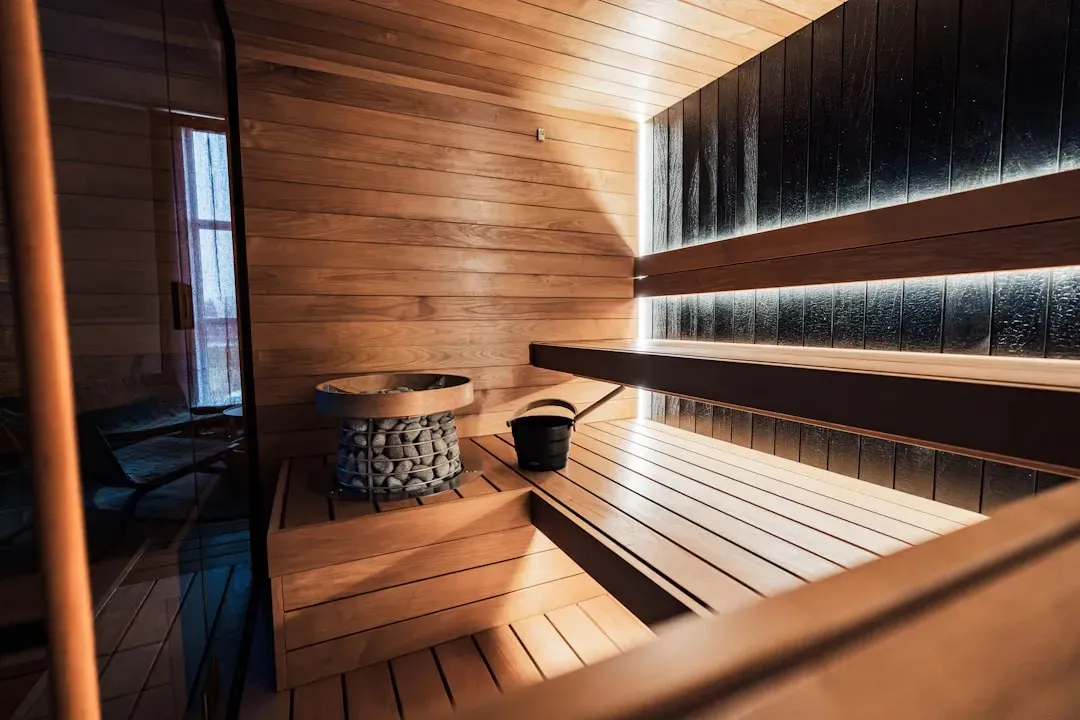
Choosing a home sauna involves understanding three core factors: the type of heat delivery that matches your health goals, realistic total costs including installation and utilities, and whether your home can accommodate the electrical and space requirements. Traditional Finnish saunas deliver intense dry heat at 150-195°F that triggers cardiovascular responses similar to moderate exercise, while infrared units use light to warm your body directly at lower temperatures of 120-140°F with gentler heat penetration (According to Mayo Clinic). The right choice depends on your tolerance for high heat, available space (from closet-sized infrared units to 6x8-foot traditional cabins), and budget ranging from $1,500 for basic infrared models to $15,000+ for custom traditional installations.
Table of Contents
- Understanding Home Sauna Types: Which One Fits Your Needs?
- Traditional Finnish Saunas vs. Infrared: Key Differences
- Portable and Prefab Options for Easier Installation
- Outdoor Barrel and Cabin Saunas
- Home Sauna Costs: Realistic Budgets for Every Type
- Purchase Price Ranges by Sauna Type
- Installation and Electrical Costs
- Operating Costs and Long-Term Expenses
- Installation Requirements: What Your Home Needs
- Space Planning and Location Selection
- Electrical and Ventilation Requirements
- Safety and Health Considerations for Older Adults
- Medical Precautions and Doctor Consultation
- Safe Temperature and Duration Guidelines
- Hydration, Accessibility, and Emergency Protocols
- Making Your Final Decision: A Step-by-Step Buying Framework
This guide provides specific costs, installation requirements, and safety considerations to help you make an informed decision. You'll find transparent pricing breakdowns, electrical specifications, and health precautions particularly relevant for older adults who want to incorporate regular sauna use into their wellness routines.
Understanding Home Sauna Types: Which One Fits Your Needs?
Your sauna choice fundamentally comes down to how you want heat delivered to your body. Traditional Finnish saunas heat the surrounding air to create an enveloping warmth that raises your core temperature and heart rate significantly. Infrared saunas bypass air heating entirely, using light waves to penetrate your skin and warm tissues directly at lower ambient temperatures.
Beyond these two primary categories, you'll encounter portable tent saunas that fold for storage, outdoor barrel saunas that maximize space efficiency, and prefab cabin units that arrive ready to install. Each type offers distinct advantages for different living situations, from apartment dwellers needing temporary setups to homeowners with dedicated outdoor space.
Traditional Finnish Saunas vs. Infrared: Key Differences
Traditional saunas use electric or wood-fired heaters to warm air between 150-195°F, creating the intense heat that makes you sweat profusely within minutes (According to Mayo Clinic). Your heart rate increases by roughly 30% during a session, producing cardiovascular effects comparable to moderate-intensity walking (According to Harvard Health). The high heat triggers robust thermogenesis, your body's heat-shock proteins activate, blood vessels dilate dramatically, and you experience the characteristic sauna flush.
Infrared saunas operate at cooler temperatures of 120-140°F while using near, mid, or far-infrared light to heat your body directly. You'll sweat at lower ambient temperatures, which many find easier to tolerate, particularly if you're new to sauna use or have cardiovascular considerations. The gentler environment allows for longer sessions of 30-40 minutes versus 15-20 minutes in traditional heat.
For joint health and circulation, both types offer benefits, though through different mechanisms. Traditional saunas create more pronounced cardiovascular stress that strengthens your heart's adaptive capacity over time. Infrared heat penetrates deeper into tissues, which proponents claim helps with muscle recovery and joint stiffness, though evidence remains limited compared to traditional sauna research (According to Mayo Clinic).
Energy consumption differs substantially: infrared units typically draw 1,600-2,000 watts and reach operating temperature in 10-15 minutes, while traditional saunas require 4,500-8,000 watts and 30-45 minute preheat times. Your monthly utility costs will reflect this difference significantly.
Portable and Prefab Options for Easier Installation
Portable tent saunas offer the simplest entry point at $300-$2,500, requiring only a standard 120V outlet and about 3x3 feet of floor space. You sit inside the fabric enclosure with your head exposed while infrared panels or steam generators heat the interior. These units fold flat for storage and work well in apartments or homes where permanent installation isn't feasible.
Prefab cabin saunas arrive as complete units or modular panels that assemble without construction expertise. Two-person infrared cabins typically measure 4x4 feet and plug into standard outlets, while traditional prefab units range from 5x5 to 6x8 feet and require dedicated 240V circuits. Installation usually takes 2-4 hours with basic tools, and you can relocate them if you move, a significant advantage over built-in construction.
These plug-and-play options eliminate permit requirements in most jurisdictions since they're classified as movable appliances rather than permanent structures. You'll sacrifice some customization compared to built-in saunas, but gain flexibility and lower upfront costs.
Outdoor Barrel and Cabin Saunas
Barrel saunas maximize interior space within compact footprints, typically 6-8 feet long and 6 feet in diameter, accommodating 2-4 people comfortably. The curved design promotes efficient heat circulation while the smaller interior volume reduces energy consumption by 20-30% compared to rectangular cabins of similar capacity. Most arrive as prefab kits requiring only a level foundation pad and electrical connection.
Outdoor placement solves several indoor challenges simultaneously: no moisture concerns for adjacent rooms, unlimited ventilation, and aesthetic appeal that enhances rather than consumes living space. You'll need weatherproof cedar or thermowood construction and proper foundation drainage to prevent rot. Year-round access requires well-lit pathways and slip-resistant surfaces, particularly important for safe winter use when you're moving between extreme temperatures.
Home Sauna Costs: Realistic Budgets for Every Type
Understanding total cost of ownership requires looking beyond purchase price to installation, electrical work, ongoing utilities, and maintenance over a sauna's typical 15-20 year lifespan. A $3,000 infrared unit with $200 installation costs and $15 monthly utilities reaches $6,500 over five years, while a $6,000 traditional sauna with $2,500 installation and $40 monthly utilities totals $11,900 in the same period.
Sauna Type Comparison: Heat Delivery, Temperature, and Operating Characteristics
| Sauna Type | Operating Temperature | Heat Delivery Method | Preheat Time | Power Consumption | Session Duration | Space Required |
|---|---|---|---|---|---|---|
| Traditional Finnish | 150-195°F | Electric/wood-fired air heating | 30-45 minutes | 4,500-8,000 watts | 15-20 minutes | 5x5 to 6x8 feet |
| Infrared | 120-140°F | Near/mid/far-infrared light waves | 10-15 minutes | 1,600-2,000 watts | 30-40 minutes | 4x4 feet (typical) |
| Portable Tent | Variable | Infrared panels or steam | 5-10 minutes | 1,500-2,000 watts | 20-30 minutes | 3x3 feet |
| Prefab Cabin | 150-195°F (traditional) or 120-140°F (infrared) | Depends on type | 20-45 minutes | Depends on type | 15-40 minutes | 4x4 to 6x8 feet |
| Barrel Sauna | 150-195°F | Electric/wood-fired air heating | 30-45 minutes | 4,500-8,000 watts | 15-20 minutes | 6-8 feet long, 6 feet diameter |
Here's the thing: most buyers focus exclusively on sticker price and overlook electrical upgrades that can add $1,500-$3,000 for panel upgrades and dedicated circuits. Factoring these hidden costs upfront prevents budget surprises mid-project.
Purchase Price Ranges by Sauna Type
Infrared saunas span the widest price range at $1,500-$8,000 depending primarily on size and wood quality. Single-person corner units in hemlock start around $1,500, two-person models in Canadian red cedar run $2,500-$4,000, and premium three-to-four-person units with chromotherapy lighting and upgraded heaters reach $6,000-$8,000. Carbon fiber heaters cost less than ceramic panels but distribute heat less evenly.
Traditional Finnish saunas begin at $3,000 for basic 4x4-foot prefab kits and extend to $15,000+ for custom-built installations. A quality 5x7-foot two-person traditional sauna in clear cedar with electric heater typically costs $5,000-$7,000. Wood-fired heaters add authenticity and eliminate electrical requirements but increase installation complexity and ongoing maintenance.
Barrel saunas occupy the $4,000-$12,000 range, with six-foot models for two people starting around $4,000 and eight-foot four-person versions reaching $8,000-$12,000. Portable units offer the most accessible entry at $300-$2,500. Basic steam tent saunas start at $300, while higher-end portable infrared enclosures with quality panels and durable fabrics reach $1,500-$2,500.
Installation and Electrical Costs
Professional installation for prefab units ranges from $500-$2,000 depending on complexity and location. Simple infrared cabin placement and electrical connection costs $500-$800, while traditional sauna installation with ventilation ductwork and dedicated circuits runs $1,200-$2,000. Custom-built traditional saunas require $3,000-$5,000 in carpentry labor beyond materials.
Electrical work represents the largest variable cost. Infrared saunas drawing under 1,800 watts often use existing 120V circuits if capacity allows, costing nothing additional. Traditional saunas require dedicated 240V circuits rated for 30-60 amps. If your electrical panel has available breaker slots and adequate capacity, installing a new circuit costs $400-$800. Panel upgrades from 100-amp to 200-amp service add $1,500-$3,000 including permit fees.
Outdoor installations require underground conduit from your home to the sauna location. Expect $15-$25 per linear foot for trenching and electrical line installation, meaning a 40-foot run adds $600-$1,000. DIY installation saves 40-60% on labor but requires comfort with electrical work and local code knowledge.
Operating Costs and Long-Term Expenses
Monthly utility costs vary dramatically by sauna type and usage frequency. An infrared sauna drawing 1,600 watts for four 30-minute sessions weekly consumes roughly 13 kWh monthly, costing $2-$3 at average electricity rates. A traditional 6kW sauna used for four 45-minute sessions weekly (including 30-minute preheat) consumes approximately 72 kWh monthly, costing $10-$15.
Maintenance expenses remain modest for both types. Traditional sauna heater elements last 10-15 years and cost $200-$400 to replace. Infrared panels typically last 15-20 years with occasional bulb replacements costing $50-$100. Annual cedar treatment with sauna-specific oils runs $30-$50 and preserves wood appearance, though it's optional for functionality.
Installation Requirements: What Your Home Needs
Assessing your home's readiness for sauna installation involves evaluating four critical factors: adequate space with appropriate ceiling height, sufficient electrical service capacity, proper ventilation for moisture control, and suitable flooring that tolerates heat and humidity. Most installation challenges stem from underestimating electrical requirements or overlooking ventilation needs that prevent mold growth in adjacent areas.
Home Sauna Cost Breakdown by Type: Purchase Price, Installation, and Monthly Operating Costs
| Sauna Type | Purchase Price Range | Installation Cost | Electrical Requirements | Estimated Monthly Utility Cost |
|---|---|---|---|---|
| Portable Tent Sauna | $300-$2,500 | $0-$200 (minimal) | Standard 120V outlet | $15-$30 |
| Infrared Prefab Cabin (2-person) | $1,500-$4,000 | $200-$500 | Standard 120V outlet | $25-$50 |
| Traditional Prefab Cabin (4-6 person) | $3,500-$8,000 | $500-$1,500 | Dedicated 240V circuit | $60-$120 |
| Custom Built-In Traditional | $5,000-$15,000+ | $2,000-$5,000 | Dedicated 240V circuit + ventilation | $80-$150 |
| Barrel Sauna (outdoor) | $2,500-$6,000 | $500-$2,000 | Dedicated 240V circuit or wood-fired | $40-$100 |
Space Planning and Location Selection
Minimum space requirements start at 3x3 feet for single-person portable units and extend to 6x8 feet for comfortable four-person traditional saunas. You'll need 6.5-7 feet of ceiling height for traditional saunas to accommodate upper benches and proper heat stratification, while infrared units function adequately with standard 7-8 foot ceilings. Allow 2-3 inches of clearance on all sides for ventilation and maintenance access.
Basement locations offer privacy and easy electrical access but require robust moisture barriers and dehumidification. Bathrooms provide existing ventilation and water-resistant finishes but rarely offer sufficient space beyond small infrared units. Garage installations work well for larger traditional saunas if you can dedicate permanent space, though temperature extremes in unheated garages increase energy costs.
Outdoor placement eliminates indoor moisture concerns entirely but requires weatherproof construction and year-round pathway maintenance. Proximity to your electrical panel, within 50 feet ideally, reduces installation costs significantly regardless of location. Accessibility considerations matter increasingly as you age: single-level entry without steps, adequate maneuvering space for mobility aids, and grab bar mounting surfaces enhance long-term usability.
Electrical and Ventilation Requirements
Your electrical panel's available capacity determines feasible sauna options without expensive upgrades. Check your main breaker rating (typically 100, 150, or 200 amps) and add up existing circuit loads to calculate remaining capacity. Traditional saunas require dedicated 240V circuits rated for 30-60 amps depending on heater size, a 6kW heater needs a 30-amp circuit, while 8kW units require 40 amps. Many older homes with 100-amp service lack sufficient capacity without upgrades.
Infrared saunas under 1,800 watts operate on standard 120V/15-amp circuits if no other major loads share that circuit. All sauna circuits need GFCI (ground fault circuit interrupter) protection for safety, though this is typically built into modern electrical panels.
Traditional saunas need active air exchange, typically a low fresh air intake near the heater and an exhaust vent near the ceiling on the opposite wall. This creates circulation without drafts while removing moisture, plan for 6-8 complete air changes per hour. Infrared saunas generate less moisture but still benefit from passive ventilation through a small gap under the door. Indoor installations require vapor barriers on walls adjacent to living spaces to prevent moisture migration.
Safety and Health Considerations for Older Adults
Regular sauna use offers cardiovascular benefits comparable to moderate exercise, but it also creates physiological stress that requires careful management, particularly for adults over 55 with existing health conditions or medications that affect heat tolerance (According to Harvard Health). Understanding your personal risk factors and implementing appropriate precautions ensures you gain benefits while minimizing potential complications.
Medical Precautions and Doctor Consultation
Consult your physician before beginning regular sauna use if you have cardiovascular disease, uncontrolled hypertension, recent heart attack, or unstable angina (According to Harvard Health). The cardiovascular demands of sauna bathing, increased heart rate, blood pressure changes, and circulatory stress, can overwhelm compromised systems. Your doctor may approve modified protocols with lower temperatures and shorter durations once your condition stabilizes.
Certain medications significantly affect heat tolerance and require medical discussion. Diuretics reduce fluid volume and increase dehydration risk, beta-blockers limit your heart's ability to increase rate in response to heat stress, anticholinergics impair sweating mechanisms, and sedatives may prevent you from recognizing warning signs of heat exhaustion (According to CDC).
Chronic conditions including diabetes, kidney disease, and lung disease increase heat sensitivity and require individualized guidance (According to CDC). Never use a sauna when ill, particularly with fever, as you'll compound your body's existing heat burden. Honestly, if something feels wrong during a session, dizziness, nausea, chest discomfort, or unusual weakness, exit immediately and cool down gradually.
Safe Temperature and Duration Guidelines
Start conservatively with 10-12 minute sessions at lower temperatures until you understand your tolerance. For traditional saunas, begin at 140-150°F rather than the typical 170-190°F, gradually increasing temperature over several weeks. Infrared sauna newcomers should start with 120-130°F for 15-20 minutes, extending duration as comfort allows.
Optimal session frequency for health benefits appears to be 3-4 times weekly based on Finnish population studies showing reduced cardiovascular mortality (According to Harvard Health). More frequent use provides no additional documented benefits and increases cumulative stress on your system. Time your sessions appropriately, avoid sauna use immediately after heavy meals when blood flow diverts to digestion, or after intense exercise when you're already dehydrated.
Cool down gradually after sessions rather than plunging into cold water, which creates additional cardiovascular stress. Sit or recline for 10-15 minutes in a cool environment, allowing your heart rate and blood pressure to normalize before standing or showering.
Hydration, Accessibility, and Emergency Protocols
Drink 16-24 ounces of water 30 minutes before sauna use and another 16-24 ounces immediately afterward to offset fluid losses (According to Harvard Health). You'll lose 0.5-1 pound of water weight per session through sweating. Never consume alcohol before or during sauna use, it impairs thermoregulation and dramatically increases dehydration risk.
Install grab bars near the entrance and beside benches if balance concerns exist. Non-slip flooring both inside the sauna and on approach pathways prevents falls when you're heat-affected and potentially dizzy. Consider a wireless emergency call button or keep a mobile phone within reach during sessions if you use your sauna alone.
Recognize warning signs requiring immediate session termination: lightheadedness, rapid or irregular heartbeat, chest pressure, severe headache, nausea, or confusion. Exit the sauna, lie down in a cool area with legs elevated, and sip cool water. Seek emergency medical attention if symptoms persist beyond 10-15 minutes or worsen.
Making Your Final Decision: A Step-by-Step Buying Framework
Your ideal sauna emerges from systematically matching your health goals, space constraints, and budget against the specific characteristics of each sauna type. Start by defining your primary health objectives, if cardiovascular conditioning and robust heat stress are priorities, traditional Finnish saunas deliver more intense beneficial stress. For gentler heat exposure that accommodates longer sessions and potentially helps with joint discomfort, infrared units offer advantages.

Assess your available space honestly, measuring not just footprint but ceiling height, door swing clearance, and access for installation. A 5x5-foot traditional sauna sounds compact until you account for required clearances and discover you need 6x6 feet of actual floor space.
Calculate your total budget including installation and first-year operating costs. A $2,500 infrared unit with $300 installation and $30 annual utilities totals $2,830 initially. A $5,500 traditional sauna with $2,000 installation and $150 annual utilities reaches $7,650. This comprehensive view prevents budget creep and buyer's remorse.
Evaluate your electrical service capacity before committing to traditional saunas requiring 240V circuits. Hire an electrician for a $100-$150 assessment if you're uncertain about available capacity. Discovering mid-project that you need a $2,500 panel upgrade derails budgets and timelines.
Prioritize quality over features in your price range. A well-built basic sauna with quality cedar, reliable heater, and proper insulation outperforms a feature-laden unit with inferior construction. Look for clear, knot-free wood, thick-gauge heater elements, and manufacturers offering 5+ year warranties on heating components.
Consider long-term accessibility needs. That outdoor barrel sauna with three entry steps may work fine now but could become problematic in 10-15 years. Indoor installations on the main floor with barrier-free access adapt better to changing mobility.
"The biggest mistake I see is buyers choosing based on the lowest price without understanding construction quality—they end up replacing their sauna within five years instead of enjoying it for decades," says Glenn Auerbach, founder of SaunaFin and certified sauna installer with over 30 years of experience building traditional Finnish saunas across North America.
Request detailed installation specifications from manufacturers before purchasing. Vague "requires 240V service" descriptions hide critical details about amperage requirements, circuit breaker sizing, and wire gauge. Finally, verify return policies and warranty coverage. Reputable manufacturers offer 30-day satisfaction guarantees and 3-5 year warranties on heaters and electrical components.
Your home sauna represents a 15-20 year investment in daily wellness practices. Take time to evaluate options thoroughly, consult with your physician about any health concerns, and choose based on realistic assessment of how you'll actually use the sauna rather than idealized scenarios. The right choice supports consistent use that delivers cumulative health benefits over years of regular sessions.
Related Articles
- Far Infrared Sauna Benefits: Complete Evidence Review
- Steam Room vs Sauna Health Benefits: Which Is Better?
- Dry Sauna Health Benefits: Traditional vs Infrared
- Sauna Tips for Beginners: Safe & Effective Use
- Sauna Benefits and Disadvantages: Balanced Analysis
- Sauna Health Benefits: Complete Evidence-Based Guide
Frequently Asked Questions
What's the main difference between traditional and infrared saunas in terms of heat?
Traditional Finnish saunas heat the surrounding air to 150-195°F, creating intense dry heat that raises your core temperature quickly, while infrared saunas use light waves to warm your body directly at lower temperatures of 120-140°F. Traditional saunas produce more cardiovascular stress similar to moderate exercise, while infrared units allow for longer, gentler sessions that many find easier to tolerate.
How much will it cost to buy and install a home sauna?
Purchase prices range from $1,500 for basic infrared models to $15,000+ for custom traditional installations, with portable tent saunas starting at $300-$2,500. Total costs also include installation labor, electrical upgrades, and ongoing utility expenses, which vary significantly based on sauna type and your home's existing infrastructure.
How much electricity does a home sauna use?
Infrared saunas typically draw 1,600-2,000 watts and heat up in 10-15 minutes, while traditional saunas require 4,500-8,000 watts and need 30-45 minutes to preheat. Your monthly utility costs will depend heavily on which type you choose and how frequently you use it.
Can I install a sauna in an apartment?
Yes, portable tent saunas are ideal for apartments, requiring only a standard 120V outlet and about 3x3 feet of floor space, with prices ranging from $300-$2,500. These units fold flat for storage and don't require permanent installation or electrical upgrades.
Which sauna type is better for joint health and muscle recovery?
Both types offer benefits through different mechanisms: traditional saunas create more pronounced cardiovascular stress that strengthens heart function over time, while infrared heat penetrates deeper into tissues and proponents claim it helps with muscle recovery and joint stiffness. However, traditional saunas have more established research supporting their health benefits.
How long should a typical sauna session last?
Traditional saunas are typically used for 15-20 minute sessions due to the intense heat, while infrared saunas allow for longer sessions of 30-40 minutes because of the gentler, lower ambient temperatures. Session duration depends on your tolerance and health status.
Do I need special electrical work to install a home sauna?
Most home saunas require dedicated electrical circuits and upgrades beyond standard outlets, with costs varying based on your home's current electrical capacity and sauna type. The article covers specific electrical requirements in the installation section, and you should consult a licensed electrician to assess your home's needs.
Are saunas safe for older adults?
The guide includes specific safety considerations for older adults, including medical precautions, safe temperature and duration guidelines, and hydration protocols. You should consult your doctor before starting regular sauna use, especially if you have cardiovascular conditions or take medications.