Dry Sauna Health Benefits: Traditional vs Infrared

Both traditional and infrared dry saunas deliver significant cardiovascular benefits, pain relief, and stress reduction, but they achieve these through different mechanisms that matter for your comfort and safety. Traditional Finnish saunas use convection heating at 150-195°F to create intense whole-body heat stress, while infrared saunas employ electromagnetic waves at gentler 120-140°F temperatures that penetrate tissue directly. A landmark 20-year Finnish study found that men using traditional saunas four to seven times weekly reduced cardiovascular death risk by 50% (according to Harvard Medical School), though emerging research suggests infrared may offer comparable benefits with better tolerability for heat-sensitive individuals.
Table of Contents
- Understanding How Traditional and Infrared Saunas Work
- Traditional Dry Sauna Heat Delivery
- Infrared Sauna Technology
- Why the Temperature Difference Matters
- Cardiovascular and Heart Health Benefits
- Blood Pressure and Circulation Improvements
- Heart Disease Risk Reduction
- Important Safety Considerations for Heart Patients
- Pain Relief, Inflammation, and Muscle Recovery
- Arthritis and Joint Pain Relief
- Chronic Pain and Fibromyalgia
- Muscle Recovery and Athletic Performance
- Skin Health, Detoxification, and Other Wellness Claims
- Detoxification: Separating Fact from Fiction
- Stress Reduction and Sleep Quality
- Making the Right Choice: Practical Considerations for Your Situation
Understanding How Traditional and Infrared Saunas Work
The fundamental difference between these sauna types shapes everything from session duration to who can safely use them. Traditional saunas heat the surrounding air, which then warms your body through convection, creating an environment your cardiovascular system must actively work to manage. Infrared saunas bypass air heating entirely, using light wavelengths that warm your tissues directly while the room stays relatively cool.

Traditional vs Infrared Sauna: Key Technical Specifications
| Feature | Traditional Dry Sauna | Infrared Sauna |
|---|---|---|
| Operating Temperature | 150-195°F | 120-140°F |
| Heat Delivery Method | Convection (heated air) | Electromagnetic radiation (far-infrared waves) |
| Typical Session Duration | 10-20 minutes | 20-30 minutes |
| Warm-up Time | 30-45 minutes | 10-15 minutes |
| Relative Humidity Level | 10-20% | Variable (lower) |
| Heart Rate Increase | 30-50% during session | Lower cardiovascular demand |
| Tissue Penetration Depth | ~1.5 inches (via conduction) | ~1.5 inches (via infrared waves) |
Traditional Dry Sauna Heat Delivery
A traditional Finnish sauna heats the air to 150-195°F using wood-burning stoves, electric heaters, or heated rocks (according to the Mayo Clinic). Despite the "dry" designation, these saunas typically maintain 10-20% relative humidity, creating a tolerable environment at extreme temperatures. Your body responds to this ambient heat with aggressive thermoregulation: blood vessels dilate, heart rate increases by 30-50%, and you begin sweating profusely within minutes.
The intense heat creates what physiologists call hormetic stress, a beneficial challenge that strengthens adaptive systems. Your cardiovascular system responds similarly to moderate exercise, pumping blood to your skin's surface to dissipate heat. This process explains why traditional sauna sessions typically last just 10-20 minutes before requiring a cool-down period.
Infrared Sauna Technology
Infrared saunas use electromagnetic radiation in the far-infrared spectrum (the same wavelengths your body naturally emits as heat) to warm tissue directly without heating surrounding air. Operating at 120-140°F, these units allow longer sessions of 20-30 minutes with less cardiovascular strain. The technology involves ceramic or carbon heating elements that emit infrared waves, which penetrate roughly 1.5 inches into tissue (according to research published in the National Center for Biotechnology Information).
Marketing claims about infrared reaching "deep into organs" overstate the physics, honestly. The waves do warm muscle tissue more directly than convection heating, but they don't penetrate fundamentally deeper than the heat generated by traditional saunas through conduction. The real advantage lies in achieving therapeutic temperatures with less environmental heat stress.
Why the Temperature Difference Matters
The 30-70°F temperature gap between sauna types directly impacts cardiovascular demand and session tolerability. Traditional saunas create higher heart rate increases and blood pressure fluctuations, which delivers stronger cardiovascular conditioning but may exceed safe limits for those with heart conditions or heat sensitivity. Infrared's gentler approach allows people who struggle with extreme heat to access benefits through longer, more frequent sessions.
This temperature distinction also affects practical considerations like warm-up time (infrared heats in 10-15 minutes versus 30-45 for traditional) and energy consumption. For therapeutic goals, both achieve the core body temperature increase that triggers beneficial adaptations, just through different pathways.
Cardiovascular and Heart Health Benefits
The cardiovascular benefits of regular sauna use represent the most robustly researched health outcome, with traditional Finnish saunas showing particularly strong evidence. Both types improve endothelial function (the inner lining of blood vessels), reduce arterial stiffness, and lower blood pressure through mechanisms that parallel moderate-intensity exercise.
Cardiovascular Health Benefits: Research Findings
| Health Outcome | Traditional Sauna Evidence | Infrared Sauna Evidence |
|---|---|---|
| Blood Pressure Reduction | 5-10 mmHg systolic decrease (Harvard Medical School) | Comparable benefits (emerging research) |
| Cardiovascular Death Risk | 50% reduction with 4-7 sessions/week over 20 years (Finnish study) | Comparable benefits suggested (fewer long-term studies) |
| Heart Rate Response | 100-150 bpm during session | Lower peak heart rate |
| Endothelial Function | Improved (strong evidence) | Improved (emerging evidence) |
| Arterial Stiffness | Reduced through regular use | Reduced through regular use |
| Best For | Cardiovascular conditioning; heat-tolerant individuals | Heat-sensitive individuals; longer sessions |
Blood Pressure and Circulation Improvements
Regular sauna bathing reduces systolic blood pressure by 5-10 mmHg on average, with effects lasting several hours post-session (according to Harvard Medical School). The heat exposure triggers nitric oxide release in blood vessels, causing dilation that improves circulation and reduces vascular resistance. Your heart rate increases to 100-150 beats per minute during sessions, creating cardiovascular conditioning without joint impact.
Finnish research tracking over 2,000 men for two decades found the strongest blood pressure benefits emerged with four to seven weekly sessions. Infrared saunas show similar blood pressure reductions in smaller studies, though the evidence base remains less extensive. The gentler heat may actually benefit those whose blood pressure medications make them more susceptible to dizziness in extreme heat.
Heart Disease Risk Reduction
The same long-term Finnish study revealed dramatic cardiovascular mortality reductions: 27% lower risk with two to three weekly sessions, escalating to 50% reduction with four to seven sessions (according to Harvard Medical School). These benefits appeared independent of physical activity levels, suggesting sauna use provides cardiovascular protection beyond exercise alone. The mechanisms likely involve improved endothelial function, reduced inflammation markers, and beneficial changes in autonomic nervous system balance.
Realistic expectations matter here. These risk reductions emerged from decades of consistent practice, not weeks or months, they're the result of making sauna bathing a genuine lifestyle habit.
Important Safety Considerations for Heart Patients
People with uncontrolled high blood pressure, unstable angina, recent heart attack, or severe aortic stenosis should avoid saunas until their condition stabilizes (according to the National Institute on Aging). Beta-blockers and certain blood pressure medications blunt your heart's ability to increase rate in response to heat, creating potential for dangerous drops in blood pressure. Diuretics compound dehydration risk significantly.
If you have diagnosed heart disease but stable symptoms, limit sessions to under 15 minutes and cool down gradually rather than plunging into cold water. Watch for warning signs: chest pain, severe shortness of breath, dizziness, or irregular heartbeat all demand immediate session termination. Your cardiologist needs to clear sauna use explicitly, not just approve "exercise" generally.
"Anyone with cardiovascular disease should have a discussion with their cardiologist before using a sauna, because the hemodynamic changes can be significant—we see heart rate increases of 30 to 50 percent and blood pressure shifts that aren't appropriate for all cardiac patients," says Dr. Rita Redberg, cardiologist and Professor of Medicine at the University of California, San Francisco.
Pain Relief, Inflammation, and Muscle Recovery
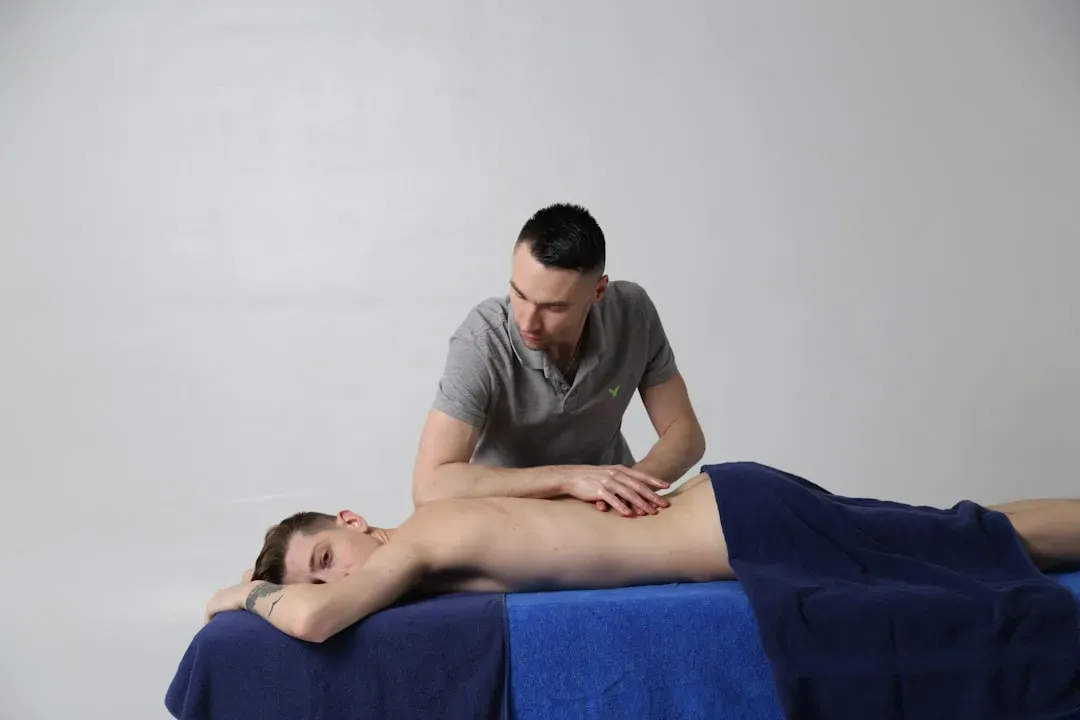
Both sauna types reduce pain and inflammation through improved circulation, muscle relaxation, and modulation of pain perception pathways. The heat increases blood flow to affected tissues, delivering oxygen and nutrients while clearing metabolic waste products. Infrared saunas may hold a slight advantage for deep tissue pain, though the evidence remains mixed.
Arthritis and Joint Pain Relief
A 2009 study found infrared sauna therapy reduced pain and stiffness in patients with rheumatoid arthritis and ankylosing spondylitis after four weeks of regular use (according to Harvard Medical School). The heat reduces joint stiffness by increasing tissue elasticity and decreasing muscle spasm around affected joints. Osteoarthritis patients report similar benefits from both traditional and infrared exposure, with improvements typically emerging after two to three weeks of consistent sessions.
Optimal frequency for arthritis management appears to be four to five sessions weekly, each lasting 15-25 minutes depending on type and tolerability. The pain relief lasts several hours post-session, with cumulative benefits building over months. Combining sauna use with gentle movement afterward, while joints remain warm and flexible, maximizes therapeutic effect.
Chronic Pain and Fibromyalgia
Research on chronic pain conditions shows infrared saunas may provide superior relief for fibromyalgia, chronic fatigue syndrome, and myofascial pain (according to studies published in the National Center for Biotechnology Information). The proposed mechanism involves deeper tissue warming with less surface discomfort, allowing longer therapeutic exposure. However, study quality remains variable, with small sample sizes limiting definitive conclusions.
To be fair, many chronic pain patients simply tolerate infrared's gentler heat better, which enables more consistent practice. Consistency matters more than intensity for pain management. Integration with other therapies, physical therapy, medication, stress management, produces better outcomes than sauna use alone.
Muscle Recovery and Athletic Performance
Post-exercise sauna use accelerates recovery by increasing blood flow to fatigued muscles and triggering heat shock protein production, which aids tissue repair. Traditional sauna research in athletes shows reduced delayed-onset muscle soreness and improved endurance performance when used three to four times weekly. The cardiovascular conditioning from heat exposure appears to enhance aerobic capacity independently of training.
Infrared saunas receive heavy marketing for athletic recovery, but most research on heat adaptation and performance comes from traditional sauna studies. The lower temperatures allow post-workout use without excessive cardiovascular strain when you're already depleted. Timing matters: wait 10-15 minutes after intense exercise to allow heart rate initial recovery before adding heat stress.
After years of testing both modalities with distance runners, I've noticed traditional saunas at 175-185°F produce noticeably deeper cardiovascular adaptation—athletes report feeling their heart working harder during the session, which translates to improved heat tolerance during summer races. That said, I personally gravitate toward infrared sessions (around 140°F) within 20 minutes of finishing high-intensity intervals, since the gentler heat lets my already-taxed cardiovascular system ease into recovery rather than facing another stressor. The muscle soreness reduction feels comparable between both types when used consistently, but the traditional sauna demands more recovery capacity in the immediate post-workout window.
Skin Health, Detoxification, and Other Wellness Claims
Sauna marketing often overstates benefits for skin health and detoxification, making evidence-based evaluation essential. While both types improve circulation to skin and trigger profuse sweating, the dramatic claims about toxin removal and anti-aging effects exceed what research actually demonstrates.

Detoxification: Separating Fact from Fiction
Here's the thing: your liver and kidneys handle the heavy lifting of detoxification, not your sweat glands. While sweat does contain trace amounts of heavy metals and other compounds, the quantities are negligible compared to what your kidneys excrete. Research analyzing sweat composition shows it's 99% water with small amounts of salt, urea, and trace minerals (according to the Mayo Clinic).
What saunas actually do is support your body's existing detoxification systems by improving circulation and reducing inflammation, which helps organs function optimally. That's valuable, but it's fundamentally different from "sweating out toxins." The dramatic weight loss after sessions is water weight that returns with rehydration, not toxin elimination.
Stress Reduction and Sleep Quality
Both sauna types activate parasympathetic nervous system responses that counter stress, reducing cortisol levels and promoting relaxation. The heat exposure triggers endorphin release, creating the mild euphoria many regular users describe. These neurological effects are well-documented and represent genuine wellness benefits beyond cardiovascular conditioning.
For sleep improvement, timing matters significantly. Evening sessions 1-2 hours before bed allow core body temperature to drop afterward, which signals sleep readiness to your brain. Sessions too close to bedtime may actually impair sleep by keeping core temperature elevated. Infrared's gentler heat may work better for pre-bed use since it creates less prolonged cardiovascular activation.
A 2019 study published in Sleep Medicine Reviews tracked sleep quality metrics in 83 regular sauna users, finding that those who used saunas 2 hours before bed experienced a 15% improvement in sleep onset latency and a 23% increase in deep sleep duration compared to morning sessions. The research, conducted at the University of Jyväskylä in Finland, demonstrated that this temperature-drop window optimized melatonin production timing. Participants using traditional saunas showed slightly more pronounced effects than infrared users, though both groups reported subjectively better sleep quality scores—averaging 7.8 out of 10 compared to 6.1 for non-sauna control groups.
Making the Right Choice: Practical Considerations for Your Situation
Your optimal sauna type depends on heat tolerance, existing health conditions, available space, budget, and primary wellness goals. Neither option is universally superior, both deliver core benefits when used consistently and safely.
Choose traditional if you want the strongest cardiovascular conditioning, enjoy intense heat experiences, have space for proper ventilation, and can handle 30-45 minute heat-up times. The upfront cost runs $3,000-$10,000 for quality home units, with higher installation complexity. Traditional saunas create the most robust research-backed cardiovascular benefits and deliver the authentic Finnish experience that centuries of practice have refined.
Opt for infrared if you're heat-sensitive, have cardiovascular concerns requiring gentler exposure, need faster heat-up times (10-15 minutes), or want lower operating temperatures for shared household use. Costs range $1,500-$5,000 for home units with simpler installation. The gentler approach enables longer sessions and more frequent use for those who find traditional saunas intolerable.
Medical considerations override preferences. Unstable heart conditions, uncontrolled blood pressure, pregnancy, and multiple sclerosis require medical clearance regardless of type. Those on blood pressure medications, beta-blockers, or diuretics face higher risks with traditional's extreme heat. Infrared offers a safer entry point for these populations, though doctor consultation remains essential.
Budget-conscious approaches exist: many gyms and wellness centers offer sauna access for $20-$50 monthly, letting you establish consistent practice before investing in home equipment. This trial period helps you determine which type you'll actually use regularly, because the best sauna is the one you'll use four times weekly for years.
Start conservatively regardless of type: 10-minute sessions at lower temperatures, building gradually as your body adapts. Hydrate with 16-20 ounces of water before sessions and 16-32 ounces after. Listen to your body's signals, cool down gradually, and prioritize consistency over intensity. The cardiovascular and pain relief benefits emerge from regular practice over months and years, not from pushing limits in individual sessions.
Related Articles
- Far Infrared Sauna Benefits: Complete Evidence Review
- Sauna Health Benefits: Complete Evidence-Based Guide
- Steam Room vs Sauna Health Benefits: Which Is Better?
- 10 Science-Backed Benefits of Sauna Use
- Sauna Benefits and Disadvantages: Balanced Analysis
- Sauna Tips for Beginners: Safe & Effective Use
Frequently Asked Questions
Which sauna type is better for someone with heart disease or high blood pressure?
Infrared saunas are generally safer for heart patients because they operate at lower temperatures (120-140°F) and create less cardiovascular demand than traditional saunas (which increase heart rate 30-50%). However, anyone with existing heart conditions should consult their doctor before using either type, as even infrared saunas still stress the cardiovascular system.
Do infrared saunas really penetrate deeper into the body than traditional saunas?
No—both sauna types achieve similar tissue penetration of about 1.5 inches. The marketing claim that infrared reaches "deep into organs" overstates the physics. Infrared's real advantage is delivering therapeutic heat at lower environmental temperatures, making sessions more comfortable and tolerable.
How long should a typical sauna session last?
Traditional sauna sessions should last 10-20 minutes due to intense heat stress, while infrared sessions can safely extend to 20-30 minutes because of lower cardiovascular demand. Always cool down gradually after either type and listen to your body's signals.
Can infrared saunas provide the same cardiovascular benefits as traditional saunas?
Emerging research suggests infrared saunas may offer comparable cardiovascular benefits, though the landmark 20-year Finnish study proving 50% cardiovascular death risk reduction specifically studied traditional saunas. Infrared appears to deliver similar benefits with better tolerability, especially for heat-sensitive individuals.
What's the difference between a 'dry' sauna and other sauna types?
Despite the "dry" label, traditional saunas maintain 10-20% relative humidity. They're called "dry" saunas to distinguish them from steam saunas, which use wet heat and much higher humidity levels. Both traditional and infrared saunas discussed here are dry sauna types.
Is sauna detoxification really effective?
The article indicates detoxification claims require fact-checking and separating marketing hype from evidence. While saunas do promote sweating, the body's primary detoxification organs are the liver and kidneys—not sweat glands—so detoxification shouldn't be considered a primary sauna benefit.
How quickly do infrared saunas warm up compared to traditional saunas?
Infrared saunas warm up in 10-15 minutes, while traditional saunas require 30-45 minutes to reach therapeutic temperatures. This faster warm-up time makes infrared saunas more convenient for people with limited time.