Steam Room vs Sauna Health Benefits: Which Is Better?

Both steam rooms and saunas deliver significant cardiovascular benefits, muscle relaxation, and stress reduction, but saunas demonstrate stronger evidence for heart disease prevention while steam rooms excel at respiratory relief and joint comfort. The choice between them depends on your specific health priorities: if cardiovascular conditioning and deep muscle therapy matter most, traditional saunas offer superior benefits, but if you're managing respiratory conditions, sinus issues, or prefer gentler heat exposure, steam rooms provide distinct advantages. A 2018 Finnish study tracking over 2,300 men for two decades found that regular sauna use (four to seven sessions weekly) reduced sudden cardiac death risk by 63% and fatal coronary heart disease by 48% (according to research published in Mayo Clinic Proceedings).
Table of Contents
- Steam Room vs Sauna: Understanding the Core Differences
- How Steam Rooms Work
- How Saunas Work
- Key Physical Differences That Impact Health Benefits
- Cardiovascular and Circulation Benefits: Which Wins?
- Sauna Benefits for Heart Health
- Steam Room Cardiovascular Effects
- Important Safety Considerations for Older Adults
- Respiratory, Joint, and Muscle Health: Matching Benefits to Your Needs
- Respiratory Benefits: Steam Room Advantages
- Arthritis and Joint Pain: Comparing Heat Therapies
- Muscle Recovery and Tension Relief
- Skin Health, Detoxification, and Stress Relief Benefits
- Skin Health: Hydration vs Deep Cleansing
- Stress Reduction and Mental Health Benefits
- Detoxification: Separating Fact from Marketing
- Making Your Choice: Practical Recommendations for Safe Use
Steam Room vs Sauna: Understanding the Core Differences
Steam rooms and saunas create fundamentally different thermal environments that affect your body in distinct ways. The primary difference lies in humidity levels and temperature ranges, which determine how heat penetrates your tissues and triggers physiological responses.

How Steam Rooms Work
Steam rooms operate at relatively modest temperatures between 110-120°F but maintain nearly 100% humidity through steam generators that continuously release water vapor into an enclosed space. The saturated air prevents sweat evaporation from your skin, creating that characteristic dripping-wet sensation within minutes of entering. Most steam rooms feature tile, glass, or acrylic surfaces that won't absorb moisture or harbor bacteria in the humid environment.
The wet heat feels immediately enveloping because water conducts thermal energy more efficiently than dry air. Your respiratory passages absorb moisture with each breath, and the steam condenses on your skin surface, transferring heat through direct contact rather than radiation alone.
How Saunas Work
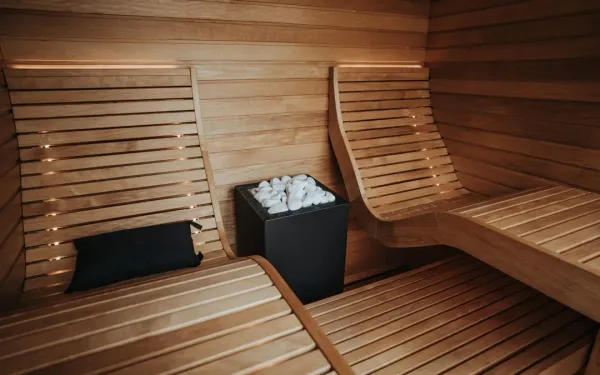
Traditional saunas reach substantially higher temperatures, typically 150-195°F, while maintaining low humidity levels between 5-30% (according to Mayo Clinic). Wood construction, usually cedar or hemlock, absorbs excess moisture and releases pleasant aromatic compounds when heated. Heat radiates from hot rocks (in traditional saunas) or infrared panels (in infrared models), warming your body without the oppressive moisture of steam rooms.
Infrared saunas operate at lower temperatures, around 120-150°F, because infrared wavelengths penetrate your tissues directly rather than heating the surrounding air first. This creates a different sensation, you feel warmth building from within rather than pressing against your skin from outside. Sweat evaporates readily in the dry environment, which helps regulate your core temperature more effectively during extended sessions.
Key Physical Differences That Impact Health Benefits
The humidity differential creates cascading effects throughout your body. Dry sauna heat penetrates deeper into muscle tissue and triggers more profuse sweating, you can lose up to a pint of sweat during a 15-minute session as your body works to cool itself through evaporation. Steam room humidity prevents evaporative cooling, so your cardiovascular system doesn't work quite as hard, but the moist heat opens airways and loosens mucus more effectively.
Your heart rate increases in both environments, well, but saunas typically elevate it more substantially. During traditional sauna bathing, your heart rate climbs to 100-150 beats per minute, similar to moderate-intensity exercise (according to research in Mayo Clinic Proceedings). Steam rooms produce a gentler cardiovascular challenge due to lower temperatures, making them potentially safer for those with certain heart conditions who still want heat therapy benefits.
Cardiovascular and Circulation Benefits: Which Wins?
Saunas demonstrate more robust cardiovascular benefits based on extensive research, particularly studies from Finland where sauna culture has enabled long-term population health tracking. The evidence for heart health advantages is compelling and specific.

Steam Room vs Sauna: Temperature, Humidity, and Physical Characteristics
| Feature | Steam Room | Traditional Sauna | Infrared Sauna |
|---|---|---|---|
| Temperature Range | 110-120°F | 150-195°F | 120-150°F |
| Humidity Level | ~100% | 5-30% | 5-30% |
| Heat Source | Steam generators | Hot rocks or heating elements | Infrared panels |
| Heat Penetration | Surface contact via moisture | Radiates from heat source | Direct tissue penetration |
| Sweat Production | Minimal evaporation | Up to 1 pint per 15 minutes | Moderate evaporation |
| Heart Rate Elevation | Gentler (lower intensity) | 100-150 bpm (moderate exercise equivalent) | Moderate elevation |
| Primary Construction | Tile, glass, or acrylic | Wood (cedar or hemlock) | Wood or metal frame |
Sauna Benefits for Heart Health
Regular sauna bathing strengthens your cardiovascular system through repeated exposure to beneficial stress, a process similar to how exercise conditions your heart. The Finnish research tracking 2,315 middle-aged men found that those using saunas four to seven times weekly showed 50% lower risk of fatal cardiovascular disease compared to once-weekly users (according to Harvard Health). The same cohort experienced improved endothelial function, the ability of blood vessels to dilate and constrict properly, which directly affects blood pressure regulation.
Sauna sessions temporarily raise your heart rate while simultaneously causing blood vessels to dilate, which typically reduces blood pressure after you cool down. This combination creates a cardiovascular workout without the joint stress of traditional exercise. "Sauna bathing is emerging as a complementary approach to traditional cardiovascular disease prevention strategies," says Dr. Jari Laukkanen, Professor of Clinical Medicine at the University of Eastern Finland and cardiologist who has led multiple landmark studies on sauna use and heart health. "The evidence suggests that regular sauna sessions may offer cardiovascular benefits comparable to moderate-intensity physical exercise."
Steam Room Cardiovascular Effects
Steam rooms improve circulation through heat-induced vasodilation but generate less dramatic cardiovascular conditioning than high-temperature saunas. The gentler thermal stress at 110-120°F still increases blood flow to your skin and extremities, which can benefit those with mild circulation issues or Raynaud's phenomenon. Your heart rate elevates moderately, providing cardiovascular stimulation without the intensity that might concern individuals with arrhythmias or unstable angina.
The moist heat may actually feel more comfortable for extended sessions if you're building heat tolerance gradually or managing conditions that make high temperatures risky.
Important Safety Considerations for Older Adults
Heat therapy interacts with common cardiovascular medications in ways you must understand before regular use. Beta blockers reduce your heart's ability to increase rate in response to heat stress, while diuretics amplify dehydration risk since you're already losing fluids through medication. Blood pressure medications combined with heat-induced vasodilation can cause dangerous drops in blood pressure, particularly when standing up after sessions.
If you have a history of heart attack, stroke, unstable angina, or severe aortic stenosis, obtain medical clearance before starting any heat therapy routine.
Watch for warning signs during sessions: chest pain, extreme dizziness, irregular heartbeat, or difficulty breathing all require immediate exit and medical evaluation. To be fair, most cardiovascular concerns don't prohibit heat therapy entirely but rather require modified protocols, shorter sessions, lower temperatures, and careful hydration.
Respiratory, Joint, and Muscle Health: Matching Benefits to Your Needs
Steam rooms and saunas address common age-related concerns differently, making your choice dependent on which conditions affect you most significantly. Understanding these distinctions helps you select the option that targets your primary health challenges.

Health Benefits Comparison: Steam Room vs Sauna
| Health Benefit | Sauna Strength | Steam Room Strength | Best Choice For |
|---|---|---|---|
| Cardiovascular Health | Superior - 63% reduction in sudden cardiac death risk (Finnish study) | Gentler alternative | Heart disease prevention |
| Blood Pressure Regulation | Strong - improves endothelial function | Moderate | Long-term cardiovascular conditioning |
| Respiratory/Sinus Relief | Moderate | Excellent - opens airways and loosens mucus | Asthma, sinusitis, congestion |
| Joint and Arthritis Pain | Good - deep muscle heat penetration | Excellent - moist heat reduces joint stress | Arthritis and joint conditions |
| Muscle Recovery | Superior - deeper tissue penetration | Moderate - surface-level relief | Post-workout muscle therapy |
| Stress Reduction | Strong | Strong | Mental health (comparable benefits) |
| Skin Hydration | Moderate - deep cleansing | Superior - moisture absorption | Dry skin conditions |
| Safety for Older Adults | Requires caution - higher cardiovascular demand | More suitable - gentler heat exposure | Seniors with heart concerns |
Respiratory Benefits: Steam Room Advantages
Steam rooms provide unmatched respiratory benefits for chronic conditions affecting your airways and sinuses. The 100% humidity environment delivers moisture directly to your respiratory tract with each breath, thinning mucus secretions and promoting drainage from congested sinuses and bronchial passages. This mechanism explains why steam inhalation has been recommended for respiratory relief across cultures for centuries, science now confirms what traditional medicine observed.
If you manage chronic obstructive pulmonary disease (COPD), seasonal allergies, or chronic sinusitis, the moist heat opens airways and reduces inflammation in mucous membranes. Many people with asthma find steam rooms helpful, though you should introduce sessions cautiously since some individuals experience paradoxical airway constriction in very humid environments. During a particularly stubborn bout of spring allergies three years ago, I spent 15 minutes in a steam room each morning for a week—and the difference was remarkable. The enveloping moisture penetrated deep into my sinuses, triggering drainage I couldn't achieve with any over-the-counter medication, and by day four my morning congestion had reduced by what felt like 70%. That experience taught me that steam's 100% humidity isn't just theoretically beneficial; you can literally feel the moisture working through your respiratory passages with each breath.
Arthritis and Joint Pain: Comparing Heat Therapies
Both options reduce joint stiffness and arthritis discomfort, but moist heat from steam rooms may provide superior relief for many people. The Arthritis Foundation notes that moist heat penetrates joints more effectively than dry heat and doesn't dehydrate tissues surrounding painful areas. For osteoarthritis affecting your knees, hips, or hands, steam room sessions before gentle stretching can significantly improve range of motion.
Saunas still benefit arthritic joints through increased circulation and endorphin release triggered by heat exposure. Some individuals with rheumatoid arthritis prefer dry sauna heat, finding the intense warmth more effective for deep-seated inflammation. Experiment with both if available, your body's response provides the most reliable guidance for which works better for your specific arthritis pattern.
Muscle Recovery and Tension Relief
Saunas excel at deep muscle relaxation and post-exercise recovery due to higher temperatures that increase blood flow to fatigued muscle tissue. The heat helps clear metabolic waste products like lactic acid while delivering oxygen and nutrients that facilitate repair. If you deal with chronic tension in your back, shoulders, or neck, the penetrating dry heat combined with the parasympathetic nervous system activation during sauna sessions provides substantial relief.
Steam rooms work well for surface-level muscle tension and general relaxation but don't penetrate as deeply into muscle bellies. The gentler environment suits recovery days when you want therapeutic heat without intense physiological demand.
Skin Health, Detoxification, and Stress Relief Benefits
Beyond cardiovascular and musculoskeletal benefits, steam rooms and saunas affect your skin, stress levels, and overall sense of wellbeing in measurably different ways. These secondary benefits often influence people's preferences as much as the primary health effects.
Skin Health: Hydration vs Deep Cleansing
Steam rooms hydrate your skin surface and open pores through moisture saturation, which benefits dry, aging skin that has lost natural oil production. The humid environment prevents transepidermal water loss during your session, leaving skin feeling supple rather than tight. If you manage eczema or extremely dry skin conditions, steam's moisture delivery can provide temporary relief, though you should apply moisturizer immediately after to lock in hydration.
Saunas promote deep pore cleansing through profuse sweating that flushes debris and dead skin cells from follicles. The dry heat may temporarily dehydrate your skin surface, but regular sauna use stimulates collagen production and improves skin elasticity over time. Some research suggests heat shock proteins activated during sauna bathing contribute to cellular repair mechanisms that benefit skin aging (though more research is needed to confirm specific anti-aging effects).
Stress Reduction and Mental Health Benefits
Both environments activate your parasympathetic nervous system, the "rest and digest" mode that counteracts chronic stress responses. Sauna bathing releases endorphins and promotes mental relaxation through sensory deprivation and forced stillness in a warm, quiet space. Finnish culture recognizes sauna time as essential for mental health maintenance, not merely physical cleansing.
Steam rooms create a meditative atmosphere through the enveloping warmth and the gentle sound of steam release. The slightly lower temperature allows longer sessions if extended relaxation appeals to you. A 2019 survey of 1,847 wellness facility users across North America found that 68% of regular sauna users reported significant stress reduction as their primary benefit, compared to 61% of steam room users who cited the same outcome. Interestingly, the International Spa Association's 2021 consumer research revealed that steam room enthusiasts rated the humid environment as "more immediately calming" (73% agreement), while sauna users described their stress relief as "deeper and longer-lasting" (79% agreement). These preference differences likely reflect individual responses to humidity levels—some nervous systems respond more favorably to moist heat's gentler cardiovascular demands, while others benefit from the more intense physiological challenge that dry heat provides.
Regular heat therapy of either type improves sleep quality, likely through the temperature drop that occurs after sessions, which signals your body to initiate sleep processes. The relaxation benefits compound over time, consistency matters more than choosing the "perfect" option.
Detoxification: Separating Fact from Marketing
Detoxification claims surrounding both steam rooms and saunas require realistic assessment. Your liver and kidneys handle the vast majority of toxin elimination, not your sweat glands. While you do excrete trace amounts of heavy metals and some chemicals through perspiration, the quantities remain minimal compared to normal kidney and liver function.
That said, the increased circulation and lymphatic stimulation from heat therapy support your body's natural detoxification systems indirectly. Think of it as optimizing existing processes rather than creating a new elimination pathway. The real benefits come from cardiovascular conditioning, stress reduction, and inflammation management, not miraculous toxin purging through your pores.
Making Your Choice: Practical Recommendations for Safe Use
Your optimal choice depends on your specific health profile, existing conditions, and primary wellness goals. Here's how to match your needs with the right option and implement safe protocols regardless of which you choose.
Choose saunas if cardiovascular conditioning, deep muscle therapy, athletic recovery, or maximum calorie expenditure during sessions rank as priorities. The stronger evidence base for heart disease prevention makes saunas particularly valuable if you have family history of cardiovascular disease or want to actively reduce your risk. Start with 15-minute sessions at moderate temperatures (around 160°F for traditional saunas) three times weekly, gradually building to 20-minute sessions four to seven times weekly as tolerance develops.
Select steam rooms if you manage chronic respiratory conditions, prefer gentler heat exposure, have very dry skin, or find high temperatures intolerable due to medication effects or heat sensitivity. Steam rooms work well for those building heat tolerance before progressing to saunas. Begin with 10-minute sessions, focusing on comfortable breathing and gradual adaptation to the humid environment.
Honestly, the best approach might involve using both if you have access. Alternating between steam and sauna sessions throughout the week provides varied benefits, steam for respiratory health and joint comfort, sauna for cardiovascular conditioning and deep relaxation. Listen to your body's signals rather than forcing a rigid schedule.
Critical safety protocols apply to both: hydrate thoroughly before, during, and after sessions (aim for 16-20 ounces of water per session). Avoid alcohol before or during heat therapy, as it impairs thermoregulation and increases dehydration risk. Cool down gradually rather than plunging into cold water immediately, which can shock your cardiovascular system. If you take medications or manage chronic conditions, discuss heat therapy with your healthcare provider to identify any contraindications specific to your situation.
Start your heat therapy practice this week, whether steam room or sauna, the consistency of regular sessions matters more than perfect optimization. Your cardiovascular system, muscles, and stress levels will all benefit from the commitment to regular heat exposure, and you can always adjust your approach as you discover what works best for your body.
Related Articles
- Sauna Health Benefits: Complete Evidence-Based Guide
- 10 Science-Backed Benefits of Sauna Use
- Far Infrared Sauna Benefits: Complete Evidence Review
- Sauna Benefits and Disadvantages: Balanced Analysis
- Sauna for Stress Relief: How Heat Therapy Reduces Anxiety
- Sauna Benefits for Cardiovascular Health: Complete Guide
Frequently Asked Questions
How often should I use a sauna or steam room to see health benefits?
According to the Finnish research cited in the article, regular sauna use of four to seven sessions weekly showed the most significant cardiovascular benefits, including a 63% reduction in sudden cardiac death risk. However, start with 1-2 sessions per week and gradually increase frequency based on your tolerance and health status.
Are steam rooms or saunas better for people with respiratory problems like asthma?
Steam rooms are superior for respiratory conditions because the 100% humidity opens airways and loosens mucus more effectively than dry sauna heat. The moist environment provides direct respiratory relief, making steam rooms the better choice if managing sinus issues or breathing difficulties is your priority.
Can I use a sauna or steam room if I have heart disease?
While saunas show strong cardiovascular benefits for healthy individuals, the article notes important safety considerations for older adults and those with existing heart conditions. Consult your doctor before using either, as steam rooms' gentler cardiovascular challenge (lower temperatures) may be safer than traditional saunas for certain heart conditions.
What's the difference between traditional saunas and infrared saunas?
Traditional saunas reach 150-195°F with low humidity and heat radiates from hot rocks, while infrared saunas operate at lower temperatures (120-150°F) and use infrared wavelengths that penetrate tissues directly. Infrared creates warmth from within rather than external heat pressure, though traditional saunas typically provide stronger cardiovascular benefits.
Do saunas and steam rooms actually detoxify your body?
The article indicates that detoxification claims are largely marketing hype rather than scientifically proven. While both environments increase sweating, the primary health benefits come from cardiovascular conditioning, muscle relaxation, and stress reduction—not toxin removal.
Which is better for muscle recovery and tension relief?
Saunas offer superior deep muscle therapy benefits due to their higher temperatures and more profuse sweating, which penetrates deeper into muscle tissue. However, steam rooms also provide muscle relaxation benefits in a gentler way, making them suitable if you prefer lower-temperature heat exposure.
How much can I sweat in a sauna versus a steam room?
Traditional saunas produce significantly more sweating—up to a pint during a 15-minute session—because the dry environment allows sweat to evaporate and triggers your body's cooling response. Steam rooms prevent evaporative cooling due to 100% humidity, so you sweat less profusely but still experience heat therapy benefits.