Sauna Benefits for Athletes: Performance & Recovery

Regular sauna use enhances athletic performance by expanding blood volume up to 7.1%, improving cardiovascular capacity, and accelerating post-exercise recovery through increased circulation and reduced muscle soreness. The heat stress triggers beneficial adaptations similar to moderate exercise, creating measurable improvements in endurance (typically 4-8% in trained athletes) while simultaneously supporting faster recovery between training sessions (According to research published in the National Center for Biotechnology Information).
Table of Contents
- How Sauna Use Enhances Athletic Performance and Recovery
- The Science Behind Sauna Benefits
- What the Research Shows
- Performance Benefits: How Saunas Boost Athletic Capacity
- Endurance and Cardiovascular Improvements
- Heat Acclimation for Competition
- Strength and Power Retention
- Recovery Benefits: Faster Healing and Reduced Soreness
- Muscle Soreness and Inflammation Reduction
- Cellular Repair and Protein Synthesis
- Stress Reduction and Sleep Quality
- Practical Sauna Protocols for Athletes
- Optimal Timing and Duration
- Temperature Guidelines and the 200 Rule
- Hydration and Electrolyte Management
- Progressive Protocols for Different Experience Levels
- Safety Considerations and When to Avoid Sauna Use
- Medical Contraindications
- Warning Signs and When to Stop
- Integrating Sauna with Your Training Plan
Athletes across disciplines, from marathon runners to powerlifters, are discovering what Finnish practitioners have known for centuries: strategic heat exposure strengthens your body's adaptive systems. This aligns with modern research showing that controlled thermal stress creates physiological changes that directly translate to better performance and quicker recovery.
How Sauna Use Enhances Athletic Performance and Recovery
When you sit in a sauna after training, your cardiovascular system responds as if you're performing moderate exercise. Your heart rate climbs to 100-150 beats per minute, cardiac output increases by 60-70%, and blood vessels dilate to dissipate heat (According to a systematic review in the National Center for Biotechnology Information). These cardiovascular demands trigger adaptations that enhance both your training capacity and recovery efficiency.
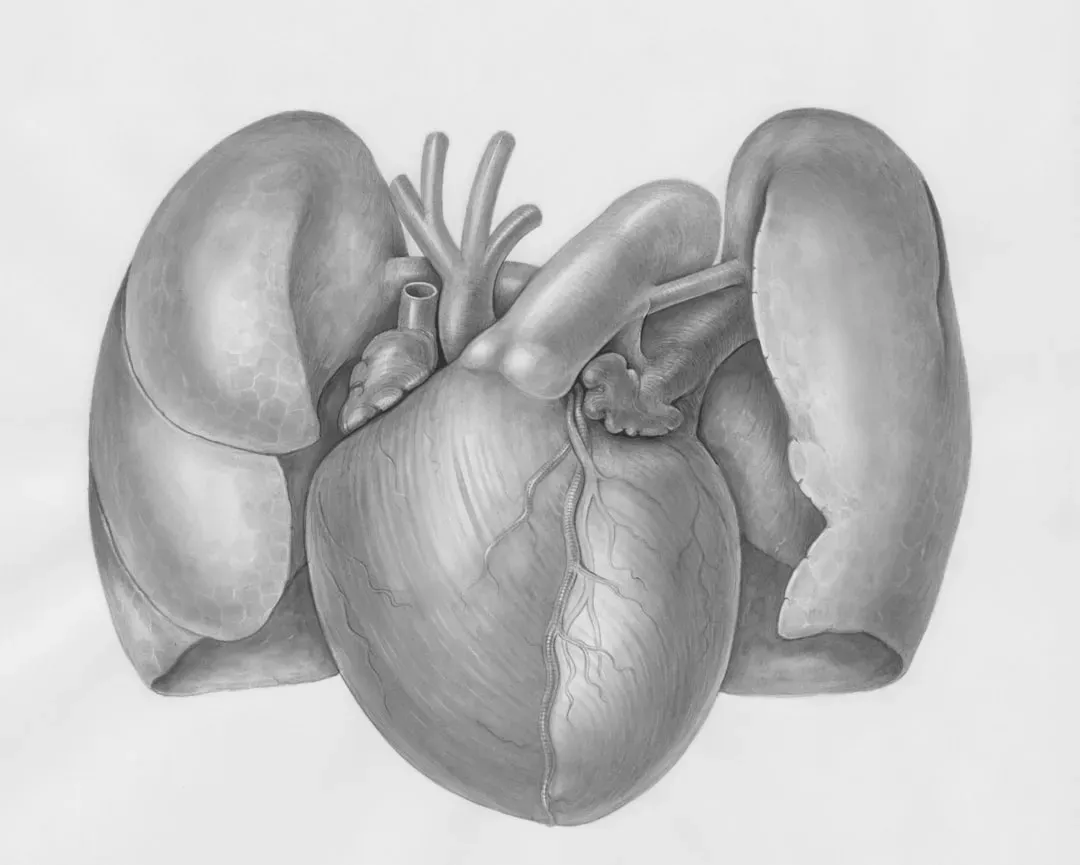
The dual benefits emerge from distinct but complementary mechanisms. Performance improvements stem primarily from increased blood plasma volume, which enhances oxygen delivery to working muscles. Recovery acceleration comes from improved circulation that removes metabolic waste products and delivers nutrients to damaged tissue.
The Science Behind Sauna Benefits
Heat stress activates a process called hormetic adaptation, beneficial responses to controlled challenges. When your core temperature rises 1-2 degrees during a sauna session, your body initiates protective mechanisms including blood plasma expansion and enhanced thermoregulation. Think of it as training your cardiovascular system without the mechanical stress of running or cycling.
The plasma volume expansion deserves particular attention. Research shows post-exercise sauna bathing increases plasma volume with a significant effect size (According to meta-analysis data from NCBI). More plasma means your heart can pump more oxygen-rich blood with each beat, improving endurance capacity even in cool conditions.
Heat shock proteins, cellular repair mechanisms activated by thermal stress, play a crucial role in recovery. These proteins help repair damaged muscle fibers and protect cells from future stress, creating a training effect at the molecular level.
What the Research Shows
A landmark meta-analysis revealed that post-exercise sauna bathing significantly improves time to exhaustion in endurance athletes, with most studies using traditional Finnish saunas at 176-212°F for 15-30 minutes (According to NCBI research). The performance gains aren't trivial, heat acclimation studies demonstrate 4-8% improvements in hot conditions and 2-5% improvements even in temperate environments.
The protocols that produced these results typically involved three-week intervention periods with sauna sessions immediately following training. Athletes using saunas 3-4 times weekly showed greater adaptations than those with less frequent exposure, suggesting consistency matters more than occasional long sessions.
Research from the University of Otago published in the Journal of Science and Medicine in Sport (2007) found that male distance runners who completed 30-minute post-training sauna sessions at 190°F over three weeks increased their run time to exhaustion by 32% compared to controls. Even more compelling, a 2015 study in Scandinavian Journal of Medicine & Science in Sports demonstrated that heat acclimation through sauna use increased plasma and red blood cell volume by 7.1% and 3.5% respectively—physiological changes that directly enhance oxygen delivery to working muscles. These blood volume adaptations persisted for weeks after the intervention period ended, suggesting that regular sauna use creates lasting cardiovascular improvements that translate to better endurance performance.
Recent research on infrared saunas shows promise for team sport athletes, particularly for maintaining power output and jump performance during intensive training blocks. The lower operating temperatures (120-140°F) make infrared saunas more accessible for athletes who find traditional saunas uncomfortably hot.
Performance Benefits: How Saunas Boost Athletic Capacity
The performance enhancements from regular sauna use extend across multiple physiological systems. Your cardiovascular capacity improves, your body learns to regulate temperature more efficiently, and your muscles receive better oxygen delivery, all without additional training volume that might compromise recovery.

Research Studies on Sauna Performance Improvements in Athletes
| Study Source | Athlete Type | Protocol | Key Results |
|---|---|---|---|
| University of Otago (2007) | Male distance runners | 30-minute sessions at 190°F over 3 weeks | 32% increase in run time to exhaustion |
| Scandinavian Journal of Medicine & Science in Sports (2015) | Endurance athletes | Heat acclimation via sauna | 7.1% increase in plasma volume, 3.5% increase in red blood cells |
| Meta-analysis (NCBI) | Endurance athletes | Traditional Finnish saunas at 176-212°F for 15-30 minutes | 4-8% improvements in hot conditions, 2-5% in temperate environments |
| Recent infrared sauna research | Team sport athletes | Lower temperature protocols (120-140°F) | Maintained power output and jump performance during intensive training |
Endurance and Cardiovascular Improvements
Blood volume expansion represents the most significant performance mechanism. Studies document plasma volume increases up to 7.1% following consistent sauna protocols (According to NCBI meta-analysis). This expanded blood volume increases stroke volume, the amount of blood your heart pumps per beat, which directly enhances aerobic capacity.
The cardiovascular conditioning effect mirrors altitude training adaptations. Just as reduced oxygen availability at elevation triggers beneficial changes, heat stress stimulates similar responses. Your body becomes more efficient at oxygen delivery and utilization, improvements that persist when you return to normal training conditions.
Well, the numbers speak clearly: athletes following post-exercise sauna protocols show measurable improvements in time to exhaustion tests and VO2 max values. These aren't marginal gains, they're performance differences that matter in competitive settings.
Heat Acclimation for Competition
If you're preparing for a race or competition in hot weather, sauna sessions provide controlled heat exposure without the fatigue of training in actual heat. Your sweat rate increases, your core temperature threshold for sweating lowers, and your skin blood flow improves (According to heat acclimation research from NCBI).
These thermoregulatory adaptations develop within 5-10 days of consistent heat exposure. Runners preparing for summer marathons, cyclists training for hot-weather events, and outdoor athletes benefit from improved heat tolerance that reduces perceived exertion and maintains performance in challenging conditions.
Strength and Power Retention
Infrared sauna sessions help maintain explosive power during intensive training periods. Research on team sport athletes shows that regular infrared sauna use prevents the typical decline in jump performance and power output that accompanies high training loads.
For strength athletes and those requiring explosive movements, this preservation of neuromuscular function matters significantly. The cellular repair mechanisms activated by heat stress appear to protect against the accumulated fatigue that normally degrades power production.
Recovery Benefits: Faster Healing and Reduced Soreness
Post-exercise recovery determines how quickly you can train hard again. Sauna use accelerates multiple recovery processes simultaneously, from waste product removal to cellular repair, creating compounded benefits that shorten the time between quality training sessions.

Muscle Soreness and Inflammation Reduction
Delayed onset muscle soreness (DOMS), that familiar ache 24-48 hours after intense training, responds well to sauna intervention. The increased blood flow during and after sauna sessions delivers oxygen and nutrients to damaged muscle tissue while removing lactate and other metabolic byproducts.
Studies using 30-minute infrared sauna sessions show reduced post-workout soreness and improved perceived recovery scores (According to athletic recovery research). The mechanism involves enhanced circulation to peripheral tissues, which accelerates the natural healing process your body initiates after training stress.
"Heat stress from sauna bathing triggers a hormetic response that upregulates heat shock proteins, which protect cells against oxidative stress and help repair damaged proteins in muscle tissue," says Dr. Jari Laukkanen, Professor of Medicine at the University of Eastern Finland and leading sauna researcher.
Cellular Repair and Protein Synthesis
Heat shock proteins activated during sauna sessions act as cellular maintenance workers, repairing damaged proteins and protecting cells from oxidative stress. These molecular chaperones support muscle protein synthesis, the process of building new muscle tissue, and help maintain cellular health under training stress.
The heat stress response triggers beneficial adaptations at the genetic level, activating pathways that enhance cellular resilience. This creates a training effect that complements your physical workouts, strengthening your body's capacity to handle and recover from stress.
Stress Reduction and Sleep Quality
Sauna sessions activate your parasympathetic nervous system, the "rest and digest" mode that counterbalances training stress. This shift helps regulate cortisol, your primary stress hormone, preventing the chronic elevation that impairs recovery and performance.
Many athletes report deeper, more restorative sleep on days they use the sauna, likely due to the parasympathetic activation and the natural temperature drop that follows sauna exposure. Better sleep means better recovery, creating a positive cycle that enhances training adaptations.
To be fair, the cortisol response to sauna is complex, acute sessions may temporarily elevate cortisol, but regular use appears to improve overall stress hormone regulation and recovery capacity.
Practical Sauna Protocols for Athletes
Your sauna routine should align with your training schedule, fitness level, and specific performance goals, progressing gradually as your heat tolerance improves.
Optimal Timing and Duration
Post-exercise sauna sessions provide the greatest performance and recovery benefits. Schedule your sauna immediately after training or within 1-2 hours of finishing your workout. This timing maximizes the cardiovascular adaptations and recovery processes that heat stress triggers.
Start with 15-minute sessions if you're new to sauna use, gradually progressing to 20-30 minutes as your tolerance develops. The research protocols that demonstrated performance improvements typically used 15-30 minute sessions (According to NCBI systematic review). Frequency matters more than duration, aim for 3-4 sessions weekly rather than occasional longer exposures.
I learned this lesson the hard way after my first competitive season using sauna therapy—I'd squeeze in 45-minute sessions twice weekly, leaving me drained rather than recovered. When I restructured to four 20-minute post-training sessions, spacing them across the week, my resting heart rate dropped by 6 beats per minute within three weeks, and that persistent muscle tightness in my hamstrings finally released. The consistency created adaptation my body couldn't achieve with sporadic, heroic efforts.
Temperature Guidelines and the 200 Rule
Traditional Finnish saunas operate at 170-195°F with varying humidity levels. The "200 rule" provides a safety guideline: temperature in Fahrenheit plus humidity percentage should not exceed 200. For example, 180°F at 20% humidity equals 200 total.
Infrared saunas use lower temperatures (120-140°F) because they heat your body directly rather than heating the surrounding air (According to Mayo Clinic). Many athletes find infrared saunas more tolerable for longer sessions, though research on traditional saunas remains more extensive.
Listen to your body's signals. If you feel dizzy, nauseous, or uncomfortable, exit immediately and cool down gradually.
Hydration and Electrolyte Management
You can lose a pint of fluid during a brief sauna session (According to Harvard Health). Drink 16-20 ounces of water before entering the sauna and another 16-20 ounces afterward. For sessions longer than 20 minutes or if you're using the sauna after intense training, include electrolyte replacement.
Dehydration impairs both performance and recovery, negating the benefits you're seeking from sauna use. Some athletes weigh themselves before and after sauna sessions to quantify fluid loss and ensure adequate rehydration.
Progressive Protocols for Different Experience Levels
Beginners should start conservatively: 10-15 minutes at lower temperatures (160-170°F for traditional saunas), 2-3 times weekly. After two weeks of consistent use without adverse effects, increase either duration or frequency, but not both simultaneously.
Experienced users can progress to 20-30 minute sessions at 180-195°F, 3-4 times weekly. This matches the protocols used in performance research studies. Competitive athletes during intensive training blocks may benefit from daily sessions, though this requires careful monitoring of recovery status and hydration.
Safety Considerations and When to Avoid Sauna Use
Sauna bathing is remarkably safe for most healthy individuals, but specific conditions require caution or complete avoidance.
Sauna Types and Temperature Guidelines for Athletes
| Sauna Type | Operating Temperature | Session Duration | Best For | Accessibility |
|---|---|---|---|---|
| Traditional Finnish Sauna | 176-212°F (80-100°C) | 15-30 minutes | Endurance athletes, maximum adaptations | Requires high heat tolerance |
| Infrared Sauna | 120-140°F (49-60°C) | 20-30 minutes | Team sport athletes, power/jump performance | More accessible, lower heat intensity |
| Optimal Post-Training Protocol | 190°F (87°C) | 30 minutes | Distance runners and endurance sports | Proven in landmark studies |
Medical Contraindications
Avoid sauna use if you have unstable angina, recent myocardial infarction (heart attack), or severe aortic stenosis (According to clinical review from NCBI). These cardiovascular conditions create risks when heart rate and cardiac output increase during heat exposure.
Pregnancy requires medical consultation before sauna use. While moderate sauna exposure appears safe for many pregnant women, the elevated core temperature raises theoretical concerns about fetal development, particularly during the first trimester.
Certain medications affect your body's heat regulation or blood pressure response. Consult your physician if you take beta-blockers, diuretics, or medications that impair sweating before starting a sauna routine.
Warning Signs and When to Stop
Exit the sauna immediately if you experience dizziness, lightheadedness, nausea, chest discomfort, or irregular heartbeat. These symptoms indicate your body is struggling with the heat stress, cool down gradually by sitting in a temperate environment rather than jumping into cold water, which can cause dangerous blood pressure fluctuations.
Honestly, alcohol and sauna use don't mix. Alcohol impairs your body's temperature regulation and increases dehydration risk, creating a dangerous combination with heat exposure. Never use a sauna while intoxicated or within several hours of drinking alcohol.
Integrating Sauna with Your Training Plan
Consider your overall training stress when planning sauna frequency. During peak training periods or before important competitions, you might reduce sauna sessions to avoid any additional fatigue. Conversely, during recovery weeks or off-season training, you can increase frequency to maximize adaptations.
Monitor your resting heart rate, sleep quality, and training performance as indicators of recovery status. If these markers deteriorate despite regular sauna use, you may be accumulating too much total stress and should reduce either training volume or sauna frequency.
Start incorporating post-exercise sauna sessions 3-4 times weekly for 15-20 minutes at 170-190°F, ensuring proper hydration before and after each session. Track your performance metrics and recovery markers over 3-4 weeks to assess whether sauna use is enhancing your athletic capacity and supporting your training goals.
Related Articles
- Sauna for Muscle Recovery: Benefits & Best Practices
- Benefits of Sauna After Workout: Science & Timing
- Sauna Benefits for Cardiovascular Health: Complete Guide
- 10 Science-Backed Benefits of Sauna Use
- Daily Sauna Benefits: What Happens to Your Body
- Sauna Tips for Beginners: Safe & Effective Use
Frequently Asked Questions
How soon after a workout should I use the sauna for maximum recovery benefits?
Use the sauna immediately after training while your body is still warm and your cardiovascular system is already elevated. This timing maximizes circulation to damaged muscle tissue and accelerates nutrient delivery for repair. Most research showing significant benefits used post-exercise sauna sessions within minutes of completing training.
What's the ideal sauna temperature and duration for athletes?
Research supports traditional Finnish saunas at 176-212°F (80-100°C) for 15-30 minutes per session. The "200 Rule" suggests 200°F for 20 minutes as a practical target. Start conservatively if new to sauna use and gradually increase duration as your body adapts to the heat stress.
How often per week should athletes use the sauna to see performance improvements?
Studies show the best results with 3-4 sauna sessions weekly, with consistency being more important than occasional long sessions. A typical three-week intervention period at this frequency produced measurable improvements in endurance capacity (4-8% in trained athletes).
Can sauna use improve athletic performance in cool weather, or only in hot conditions?
Sauna benefits extend beyond hot-weather competition. While heat acclimation provides 4-8% improvements in hot conditions, research demonstrates 2-5% performance gains even in temperate environments due to increased blood plasma volume and improved cardiovascular capacity.
What should I drink before and after sauna sessions to stay properly hydrated?
The article emphasizes hydration and electrolyte management as critical components of sauna protocols, though specific drink recommendations aren't detailed. Consult your sports nutritionist or coach for personalized electrolyte replacement based on your sweat rate and training intensity.
Are there athletes or conditions where sauna use should be avoided?
Yes, the article identifies medical contraindications and specific warning signs when sauna use should be stopped. Review the "Safety Considerations and When to Avoid Sauna Use" section for detailed medical conditions, and always consult your healthcare provider before starting sauna protocols if you have cardiovascular concerns.
How does sauna use reduce muscle soreness compared to other recovery methods?
Sauna reduces soreness through two mechanisms: improved circulation that removes metabolic waste products from damaged tissue, and activation of heat shock proteins that repair muscle fibers at the cellular level. This dual action accelerates recovery between training sessions more efficiently than passive rest alone.
Can beginners use the same sauna protocols as experienced athletes?
No, the article includes "Progressive Protocols for Different Experience Levels" specifically because beginners need to adapt gradually to heat stress. Start with shorter durations and lower temperatures, then progressively increase as your cardiovascular system adapts to avoid adverse effects.