Sauna Benefits for Hair: What You Need to Know
Sauna use improves scalp circulation and reduces stress-related hair loss, but the heat itself can damage your hair shaft by causing moisture loss and cuticle lifting. The key is protecting your hair while you reap the scalp benefits, think of it as creating a barrier between therapeutic warmth reaching your follicles and excessive heat degrading the hair fiber itself. A 2018 systematic review found that regular sauna bathing increases heart rate and improves vascular compliance (according to research published in Evidence-Based Complementary and Alternative Medicine), which translates to better nutrient delivery to your scalp. However, that same heat environment can cause thermal degradation of hair protein starting at temperatures as low as 212°F.
Table of Contents
- How Sauna Heat Affects Your Hair and Scalp
- The Circulation-Growth Connection
- Understanding Heat-Related Hair Damage
- Proven Benefits of Regular Sauna Use for Hair Health
- What the Research Actually Shows
- Traditional vs Infrared Saunas for Hair
- Protecting Your Hair During Sauna Sessions
- Pre-Sauna Hair Preparation
- During-Session Protection Strategies
- Post-Sauna Hair Care for Optimal Results
- Immediate Post-Session Care
- Weekly Maintenance for Regular Sauna Users
How Sauna Heat Affects Your Hair and Scalp
Your scalp and your hair respond to sauna heat in fundamentally different ways. The living tissue beneath your skin benefits from increased blood flow, while the dead protein structure extending from your follicles faces potential damage. Understanding this distinction helps you maximize benefits while minimizing harm.
The temperature range in most traditional saunas (170-190°F) creates an environment where your cardiovascular system responds as if you're exercising moderately. Your heart rate climbs by roughly 30%, pushing oxygen-rich blood throughout your body including the dense capillary network feeding your hair follicles. This enhanced circulation matters because follicles require consistent nutrient delivery to maintain their growth cycle.
The Circulation-Growth Connection
When your core temperature rises during a sauna session, your body dilates blood vessels near the skin surface to release heat. This vasodilation extends to your scalp, where approximately 100,000 hair follicles each depend on their own blood supply. Research on cardiovascular effects shows that regular sauna use leads to reduced blood pressure and improved vascular compliance (according to the NCBI systematic review), creating conditions where nutrients reach follicles more efficiently.
Here's the thing: improved circulation supports the foundation for healthy hair growth, but it doesn't override other limiting factors. If you're experiencing age-related hair thinning, the underlying cause involves follicle stem cell senescence and reduced regenerative capacity (according to research on aging hair follicles published in 2014). Better blood flow can't reverse stem cell depletion, though it may help remaining follicles function at their best capacity.
Realistic expectations matter here. You won't see dramatic regrowth from sauna use alone, but consistent sessions three to four times weekly may support the hair you have by ensuring follicles receive adequate oxygen and nutrients. The stress reduction component adds another layer of benefit, chronic psychological stress triggers telogen effluvium, pushing hair prematurely into the shedding phase (according to a 2010 review on telogen effluvium).
Understanding Heat-Related Hair Damage
While your scalp enjoys increased circulation, your hair shaft faces a hostile environment. Hair protein begins thermal degradation at 212°F, and significant damage occurs at higher temperatures (according to research on heat damage in human hair). Most traditional saunas operate well below this threshold, but the combination of heat and time still affects hair structure.
Heat treatment causes loss of bound water from hair fibers, leading to increased brittleness and reduced elasticity (according to the same heat damage research). This moisture evaporation happens progressively during your session. The hair cuticle, those overlapping scales protecting the inner cortex, lifts slightly when exposed to heat and humidity, making the shaft more vulnerable to mechanical damage when you brush or style later.
Mature hair carries additional vulnerability. If you're over 55, your hair likely has reduced diameter, lower moisture content, and decreased elasticity compared to younger years. Chemically treated hair (dyes, perms, relaxers) shows even greater susceptibility because processing has already compromised the cuticle structure. Honestly, a 15-minute session won't destroy your hair, but repeated exposure without protection accelerates the cumulative damage that makes hair look dull and feel rough.
Proven Benefits of Regular Sauna Use for Hair Health
The evidence for sauna benefits to hair health comes primarily from extrapolating circulation research rather than direct hair-growth studies. That doesn't make the benefits less real, it just means we're connecting established physiological responses to reasonable hair-health outcomes.
What the Research Actually Shows
No large-scale studies have specifically measured hair growth rates in regular sauna users versus non-users. What we do have is solid evidence that sauna bathing decreases sympathetic nervous system activity and increases parasympathetic activity (according to the 2018 systematic review). This shift away from stress response matters because psychological stress is a well-recognized trigger for temporary hair shedding.
The cardiovascular improvements documented across multiple studies create conditions that theoretically support hair follicle function. Enhanced blood flow means better delivery of amino acids, vitamins, and minerals that follicles use to construct new hair cells.
Well, one animal study offers a cautionary note. Research on mice found that chronic heat exposure delayed the initiation of the growth phase and prolonged the resting phase in the hair cycle (according to 2015 research on heat effects in mice). The heat shock protein response triggered by sustained heat may inhibit growth signals. This suggests that excessive sauna frequency or duration could theoretically work against hair growth goals.
Traditional vs Infrared Saunas for Hair
Traditional Finnish saunas heat the air to 170-190°F, creating an environment where your hair is exposed to high ambient temperature throughout the session. Infrared saunas operate at lower air temperatures (120-150°F) while still raising your core temperature through direct infrared radiation penetrating your skin.
For hair protection purposes, infrared saunas offer a gentler option. The lower ambient temperature means less moisture evaporation from your hair shaft and reduced cuticle lifting. You still get the cardiovascular response and circulation benefits that support scalp health, just with less thermal stress on the hair itself.
That said, traditional saunas aren't hair destroyers if you use proper protection strategies. The cultural practice of sauna bathing in Finland hasn't left the population with universally damaged hair. The difference lies in understanding that traditional saunas require more deliberate hair protection, while infrared saunas naturally create a less hostile environment for your hair.
Protecting Your Hair During Sauna Sessions
Protection strategies transform sauna use from potentially damaging to genuinely beneficial for your overall hair health. Think of these approaches as creating a microenvironment around your hair that differs from the sauna's ambient conditions.
Sauna Types: Temperature, Duration, and Hair Impact Comparison
| Sauna Type | Typical Temperature Range | Session Duration | Heat Exposure Risk | Best for Hair Health |
|---|---|---|---|---|
| Traditional (Dry) | 170-190°F | 15-20 minutes | Moderate - below 212°F threshold | Shorter sessions with protection |
| Infrared | 120-150°F | 20-30 minutes | Lower - gentler on hair shaft | Longer sessions possible with less damage |
| Steam (Wet) | 110-130°F | 15-20 minutes | Lower - moisture reduces cuticle lifting | Best option for frequent users |
Pre-Sauna Hair Preparation
Apply a protective oil barrier 15-20 minutes before your session. Look, coconut oil, argan oil, or jojoba oil work well because they coat the hair shaft and slow moisture evaporation. Focus on mid-lengths and ends where hair is oldest and most vulnerable. Your scalp doesn't need this treatment since you want heat to reach the skin surface for circulation benefits.
The wet-versus-dry debate has a clear answer: enter with dry hair when possible. Wet hair is more fragile because water causes the hair shaft to swell and the cuticle to lift. Adding heat to already-swollen hair accelerates damage. If you prefer to rinse before entering (common practice), apply oil after patting hair damp-dry rather than soaking wet.
Detangle gently before your session using a wide-tooth comb. Secure long hair loosely, tight elastics or clips create stress points where heat damage concentrates.
During-Session Protection Strategies
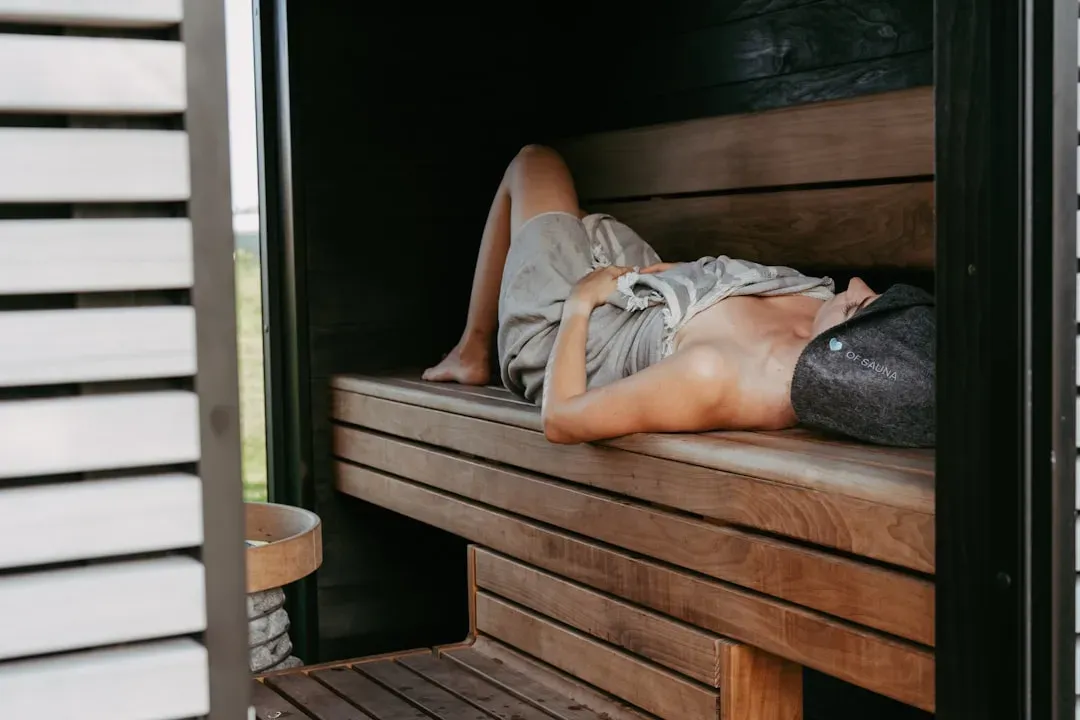
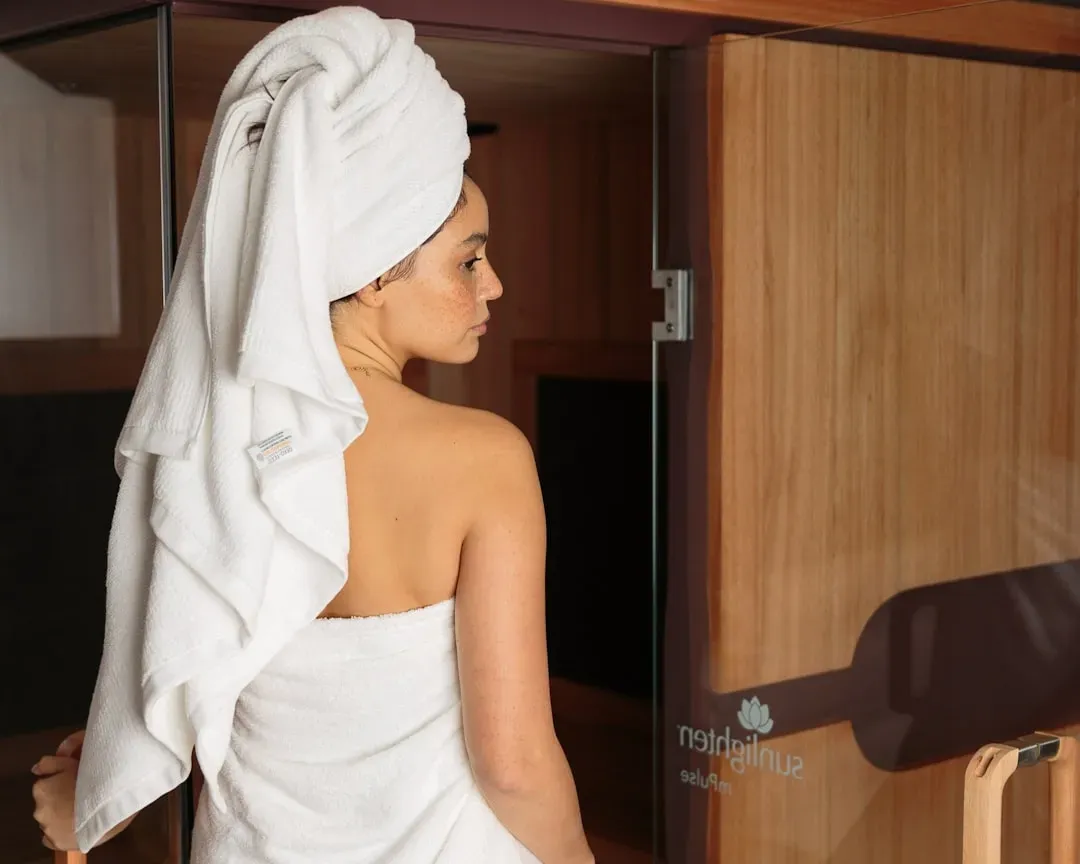
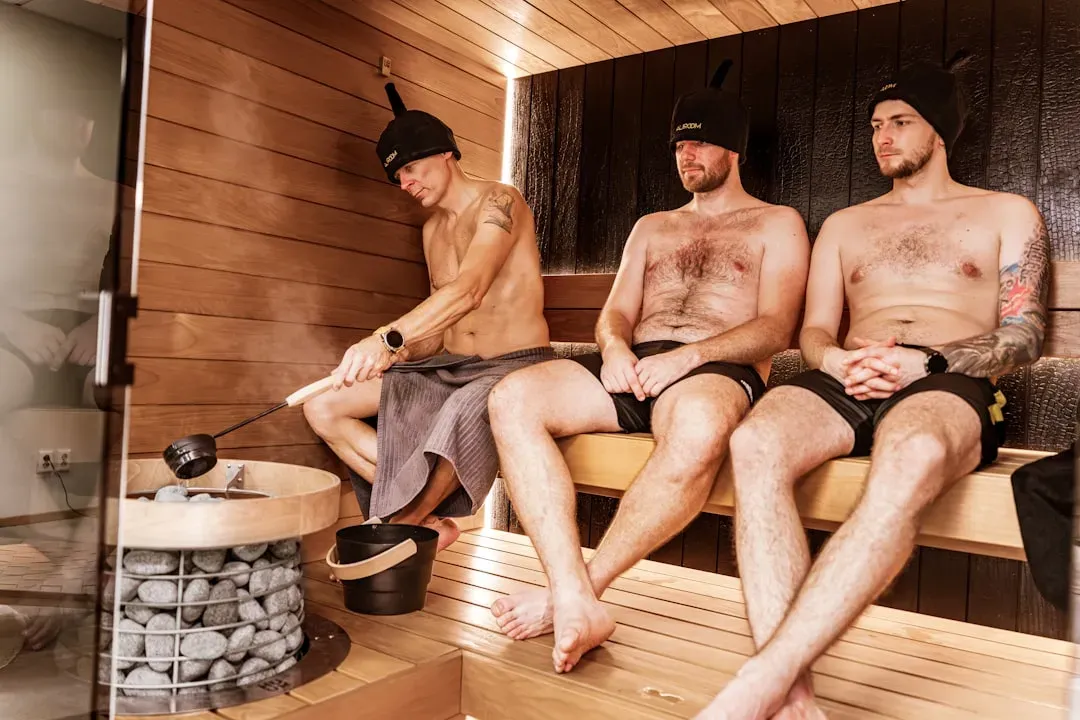
A traditional sauna hat made from wool felt provides excellent insulation, keeping your hair 20-30 degrees cooler than the ambient air temperature. Finnish sauna-goers have used these for generations, and the principle is straightforward: create an air gap between your hair and the hot environment.
If you don't have a sauna hat, wrap your hair in a cotton towel, tucking ends securely. Position your head away from direct heat sources, sit on lower benches where temperature is 15-20 degrees cooler than upper levels, and keep your head away from the heater unit itself.
Limit sessions to 15-20 minutes when hair protection is your concern. The cardiovascular and stress-reduction benefits plateau around this duration anyway.
Post-Sauna Hair Care for Optimal Results
Your hair remains vulnerable for 30-60 minutes after heat exposure as it gradually returns to normal temperature and moisture levels. The post-session routine determines whether you lock in benefits or allow progressive damage.
Hair Protection Strategies: Pre-Sauna vs Post-Sauna Care
| Protection Method | When to Apply | Primary Benefit | Best For |
|---|---|---|---|
| Wet hair with cool water | Before sauna | Reduces moisture loss from hair shaft | All hair types |
| Leave-in conditioner or oil | Before sauna | Creates barrier against heat damage | Dry or chemically treated hair |
| Loose braid or bun | Before sauna | Minimizes mechanical damage during session | Long or fragile hair |
| Cool water rinse | Immediately after | Closes cuticles and seals moisture | All hair types |
| Deep conditioning treatment | Within 2 hours post-sauna | Restores moisture and repairs cuticle damage | Regular sauna users (3+ times weekly) |
Immediate Post-Session Care
Cool down gradually rather than shocking your hair with cold water immediately. Let your body temperature normalize for 5-10 minutes, allowing your hair to release heat slowly. This prevents the cuticle from slamming shut and trapping moisture imbalances inside the shaft.
Cleanse with lukewarm water and a gentle, sulfate-free shampoo. Your scalp has been sweating profusely, and you want to remove salt residue that can be drying. Focus shampoo on your scalp rather than lengths, the oil you applied pre-sauna will need removal, but harsh scrubbing of heat-exposed hair causes unnecessary friction damage.
Apply a moisturizing conditioner or hair mask while your cuticle is still slightly raised from heat exposure. This is actually an advantage, treatments penetrate more effectively into the cortex during this window. Leave conditioner on for 3-5 minutes, then rinse with cool water to help seal the cuticle flat.
Weekly Maintenance for Regular Sauna Users
If you're using the sauna three times weekly, incorporate a deep conditioning treatment after every second session. Look for products with hydrolyzed proteins and ceramides that repair heat-induced damage to the cuticle structure. Mature hair benefits particularly from treatments containing amino acids that temporarily fill gaps in the cortex.
Monitor your hair's moisture balance by paying attention to how it feels when dry. If it seems increasingly rough or tangles more easily than before you started regular sauna use, increase your conditioning frequency or reduce session duration by five minutes. The goal is finding your personal sweet spot where you gain scalp circulation benefits without accumulating hair damage.
After months of twice-weekly sauna sessions at 175°F, I noticed my hair felt increasingly straw-like despite my usual conditioner—that scratchy, caught-on-itself texture that signals protein loss. I switched to a ceramide-rich treatment after every other session and reduced my time from 20 to 15 minutes, and within three weeks my hair returned to its normal smooth glide when I ran my fingers through it. That tactile feedback—how your hair literally feels different in your hands—became my most reliable gauge for whether my maintenance routine was working.
Consider alternating sauna types if you have access to both traditional and infrared options. Use traditional saunas for the full cultural experience and cardiovascular challenge, but rely on infrared sessions when your hair needs a gentler approach. Start with twice-weekly sessions and assess how your hair responds over four to six weeks before increasing frequency. Your hair's appearance and texture will tell you whether your protection strategies are working.
Related Articles
- Sauna Health Benefits: Complete Evidence-Based Guide
- 10 Science-Backed Benefits of Sauna Use
- Red Light Sauna Benefits: Complete Guide
- Daily Sauna Benefits: What Happens to Your Body
- Sauna Tips for Beginners: Safe & Effective Use
- Far Infrared Sauna Benefits: Complete Evidence Review
Frequently Asked Questions
At what temperature does sauna heat actually damage hair?
Hair protein begins thermal degradation at 212°F, with significant damage occurring at higher temperatures. Most traditional saunas operate at 170-190°F, which is below this threshold, but prolonged exposure still causes moisture loss and cuticle lifting that accumulates over time.
How often should I use a sauna to see hair health benefits?
Consistent sessions three to four times weekly may support hair health by ensuring follicles receive adequate oxygen and nutrients. However, sauna use alone won't produce dramatic regrowth—it works best as part of a comprehensive hair care routine.
Can sauna use help with stress-related hair loss?
Yes, sauna use can help reduce stress-related hair loss because chronic psychological stress triggers telogen effluvium (premature shedding). The stress reduction and relaxation benefits of regular sauna sessions may help prevent this type of hair loss.
Is infrared sauna better than traditional sauna for hair health?
The article discusses that traditional saunas (170-190°F) improve scalp circulation effectively, but specific comparisons between traditional and infrared saunas for hair health are mentioned in the table of contents. Both can benefit your scalp, but protection strategies remain equally important.
Does sauna use work for age-related hair thinning?
Sauna use has limitations for age-related thinning because the underlying cause involves follicle stem cell senescence and reduced regenerative capacity. While improved circulation may help remaining follicles function optimally, it cannot reverse stem cell depletion on its own.
Why is my hair more vulnerable to sauna damage if it's chemically treated?
Chemically treated hair (dyes, perms, relaxers) has already compromised cuticle structure from processing, making it more susceptible to heat damage. The combination of pre-existing damage and sauna heat exposure accelerates moisture loss and brittleness.
What's the difference between how sauna heat affects my scalp versus my hair?
Your living scalp tissue benefits from increased blood flow and improved circulation, while your hair shaft (dead protein) faces potential damage from heat-induced moisture loss and cuticle lifting. This distinction is key to protecting hair while gaining scalp benefits.
Will a 15-minute sauna session damage my hair?
A single 15-minute session is unlikely to destroy your hair, but the real concern is cumulative damage from repeated exposure without protection. Over time, unprotected sauna use causes moisture loss and cuticle damage that makes hair look dull and feel rough.