What to Drink After Sauna: Hydration Guide
Drink 16-24 ounces of room-temperature water immediately after your sauna session, then continue with another 16-24 ounces over the next two hours. This replaces the typical 0.5-2 pounds of fluid most people lose during a 20-minute session and supports the cardiovascular recovery your body needs (according to research published in the National Institutes of Health). For adults over 55, this protocol becomes even more critical because your body's thirst signals naturally diminish with age, meaning you can be significantly dehydrated without feeling particularly thirsty.
Table of Contents
- Why Post-Sauna Hydration Matters More After Age 55
- How Sauna Sessions Affect Fluid Balance
- Age-Related Hydration Considerations
- Best Drinks for Post-Sauna Rehydration
- Water: The Foundation of Rehydration
- When to Add Electrolytes
- Drinks to Avoid After Sauna
- Your Post-Sauna Hydration Timeline
- Immediate Rehydration (First 15 Minutes)
- Continued Hydration (1-2 Hours After)
- Rest of Day Hydration Strategy
- Calculating Your Individual Hydration Needs
- Measuring Your Fluid Loss
- Adjusting for Medications and Health Conditions
Why Post-Sauna Hydration Matters More After Age 55
Your body loses fluid rapidly during sauna bathing as your core temperature climbs toward 104°F and your skin reaches 105-107°F. This triggers profuse sweating as your primary cooling mechanism. Most people shed 0.5-2 pounds during a standard session, and every pound lost represents roughly 16 ounces of fluid that needs replacement (according to studies on fluid and electrolyte balance during heat exposure). Look, that's just the starting point for calculating your actual hydration needs.
The science shows you need to drink approximately 150% of what you lost because your kidneys continue producing urine during rehydration. If you lost one pound (16 ounces), you should consume about 24 ounces total to achieve complete rehydration. This 25% buffer accounts for ongoing fluid losses through normal metabolic processes.
How Sauna Sessions Affect Fluid Balance
During your session, your heart rate increases by 30%, and your cardiovascular system works similarly to moderate exercise while you sit still. This metabolic acceleration drives significant sweating, which contains not just water but also sodium, chloride, and other electrolytes (according to research on exercise-associated hyponatremia). Your sweat rate varies based on temperature, humidity, session length, and individual physiology, some people lose fluids twice as fast as others under identical conditions.
The cardiovascular demands continue after you exit the sauna. Your body needs adequate blood volume to support the gradual cooling process and return your heart rate to baseline. Insufficient fluid replacement forces your heart to work harder to circulate a smaller blood volume, which can trigger dizziness or fatigue.
Age-Related Hydration Considerations
After age 55, your body's thirst mechanism becomes less sensitive, meaning you may not feel thirsty even when significantly dehydrated (according to the National Institute on Aging). Your total body water percentage also decreases with age, giving you less fluid reserve to draw from during heat exposure. Your kidneys become less efficient at conserving water, so you lose more fluid through urine production even when dehydrated.
Common medications compound these challenges. Diuretics prescribed for blood pressure or heart conditions increase fluid loss. Blood pressure medications, antihistamines, and laxatives all affect your body's fluid balance (according to NIA guidance on hydration). If you take any of these, you're starting from a more vulnerable position before you even enter the sauna.
Best Drinks for Post-Sauna Rehydration
Plain water forms the foundation of any sound rehydration strategy. It's calorie-free, readily absorbed, and sufficient for most standard sauna sessions under 20 minutes (according to Mayo Clinic hydration guidelines). The key is drinking it at the right temperature and in the right quantities rather than searching for exotic hydration solutions.
Water: The Foundation of Rehydration
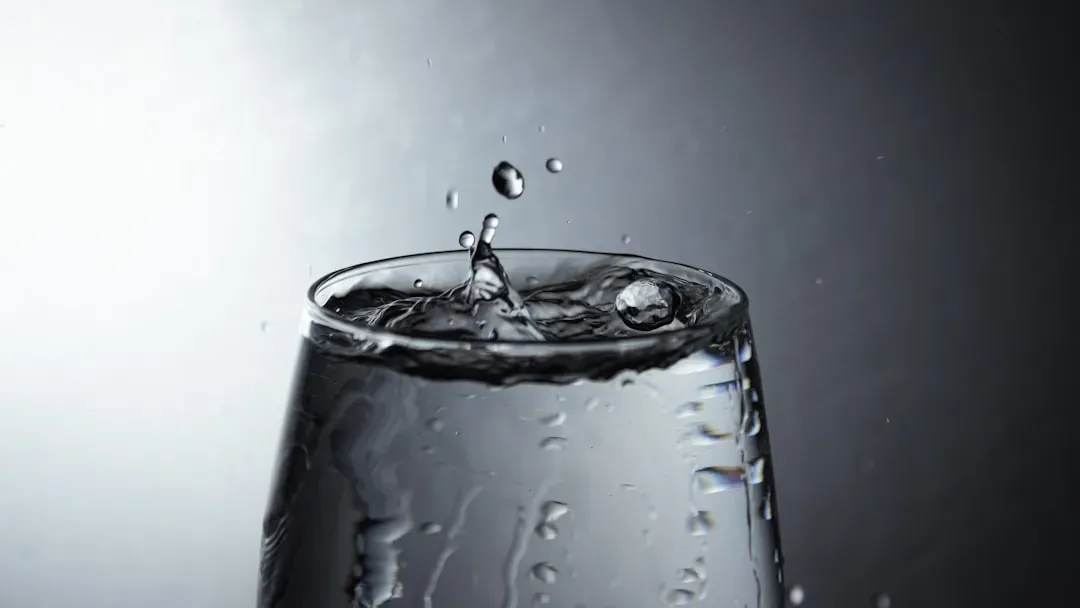
Room temperature or slightly cool water absorbs faster than ice-cold beverages, which can shock your still-warm digestive system and actually slow absorption. Start with 16-24 ounces immediately after exiting, drinking steadily over 10-15 minutes rather than gulping it down. Your stomach can only process about 8 ounces every 15 minutes efficiently, so pacing matters for optimal absorption and avoiding that sloshing, uncomfortable feeling.
When to Add Electrolytes
Electrolyte replacement becomes important when your sessions extend beyond 20 minutes, when you're doing multiple sessions in one day, or when you notice persistent fatigue or mild headaches despite drinking water. These symptoms suggest you've depleted sodium and other minerals along with fluids. Look for low-sugar options like LMNT, Ultima, or plain coconut water, which provides natural potassium and sodium without added sweeteners.
Honestly, most people overcomplicate electrolyte replacement. You don't need specialized formulas after every session. A 15-minute sauna followed by adequate water intake rarely requires electrolyte supplementation. However, if you're monitoring sodium intake for blood pressure management, consult your healthcare provider before adding electrolyte drinks to your routine, as some contain 500-1000mg of sodium per serving.
Drinks to Avoid After Sauna
Alcohol acts as a diuretic, increasing urine production and worsening dehydration rather than helping it (according to Mayo Clinic). Your body is already working to restore fluid balance, adding alcohol forces your kidneys to eliminate even more water. Very cold beverages can cause gastric discomfort and may slow fluid absorption when your core temperature is still elevated. High-caffeine drinks aren't ideal immediately post-sauna because caffeine has mild diuretic properties, though a moderate amount an hour later is generally fine.
Your Post-Sauna Hydration Timeline
Rehydration happens in phases, not all at once. Your immediate needs differ from your needs two hours later, and understanding this timeline prevents both under-hydration and the uncomfortable bloating that comes from drinking too much too quickly.
Post-Sauna Hydration Timeline and Fluid Replacement
| Time Period | Recommended Fluid Intake | Fluid Amount | Key Guidelines |
|---|---|---|---|
| Immediate (First 15 minutes) | Initial rehydration | 16-24 ounces | Room temperature water, drink steadily over 10-15 minutes |
| Short-term (1-2 hours after) | Continued replacement | 16-24 ounces additional | Pace intake to ~8 ounces every 15 minutes for optimal absorption |
| Total replacement formula | 150% of fluid lost | 24 ounces per pound lost | Accounts for ongoing urine production and metabolic losses |
Immediate Rehydration (First 15 Minutes)
Exit the sauna and cool down gradually for 3-5 minutes before drinking, sit or recline in a comfortable space. Your heart rate should begin dropping toward normal, and active sweating should slow. Then drink 16-24 ounces of room-temperature water steadily over the next 10-15 minutes. Monitor how you feel: dizziness, rapid heartbeat, or continued heavy sweating suggests you need to slow your cooling process and continue hydrating.
Continued Hydration (1-2 Hours After)
Consume another 16-24 ounces during this window, adjusting based on your initial fluid loss and how you feel. If you're experiencing a mild headache or feeling unusually flat, consider adding electrolytes to this round. Water-rich foods like watermelon, cucumber, oranges, or celery contribute to rehydration while providing minerals and a bit of natural sugar to help with absorption.
Check your urine color, pale yellow indicates adequate hydration, while dark yellow or amber suggests you need more fluids. Your energy levels should normalize during this period. Persistent fatigue or mild confusion are warning signs that require more aggressive rehydration.
Rest of Day Hydration Strategy
Maintain your regular fluid intake plus an additional 8-16 ounces beyond your normal daily consumption. Simple tracking methods work best: mark your water bottle with time-based goals or set phone reminders every 90 minutes. Don't try to force excessive amounts, consistent, moderate intake throughout the day supports complete rehydration better than occasional large volumes.
Medications That Affect Post-Sauna Hydration Needs
| Medication Type | Common Examples | Effect on Fluid Balance | Hydration Impact |
|---|---|---|---|
| Diuretics | Furosemide, Hydrochlorothiazide | Increase urine production | Significantly increases dehydration risk |
| Blood Pressure Medications | ACE inhibitors, Beta-blockers | Affect fluid retention and kidney function | Moderate increase in fluid loss |
| Antihistamines | Diphenhydramine, Cetirizine | Reduce fluid secretion | Mild increase in dehydration risk |
| Laxatives | Bisacodyl, Magnesium citrate | Increase intestinal fluid loss | Moderate to significant fluid depletion |
Calculating Your Individual Hydration Needs
Generic recommendations provide a starting point, but your actual needs depend on your body weight, sweat rate, session intensity, and individual physiology. Learning to measure and adjust creates a personalized protocol that works for your specific situation.
Measuring Your Fluid Loss
Weigh yourself nude or in minimal clothing immediately before entering the sauna, then weigh again immediately after exiting and toweling off. The difference represents primarily fluid loss, each pound equals approximately 16 ounces you need to replace. For complete rehydration, multiply this number by 1.5 to account for ongoing losses. A two-pound loss means you should consume roughly 48 ounces total over the next few hours.
Track this over several sessions to identify your typical pattern. Someone who consistently loses 1.5 pounds during 20-minute sessions at 175°F knows to prepare 36 ounces of fluid for post-session rehydration. This removes guesswork and prevents both under and over-hydration.
Adjusting for Medications and Health Conditions
If you take diuretics, blood pressure medications, or have cardiovascular conditions, discuss your sauna practice with your healthcare provider before establishing a regular routine. These factors may require modified hydration protocols or session adjustments. Some medications increase fluid loss substantially, meaning you might need 200% replacement rather than 150% (according to National Institute on Aging guidance on medication effects).
Work with your doctor to develop a personalized plan that accounts for your specific medications and health status. This collaboration ensures your sauna practice enhances rather than compromises your health, particularly important for adults managing multiple conditions.
When I started working with a client taking both a beta-blocker and a diuretic, we discovered through careful monitoring that his standard 16-ounce post-sauna hydration left him feeling lightheaded for hours. After consulting with his cardiologist, we adjusted to 24 ounces of electrolyte water immediately after sessions, plus an additional 8 ounces within the hour—his dizziness disappeared, and his blood pressure remained stable. That experience reinforced for me how medications fundamentally change your body's fluid dynamics, making the one-size-fits-all approach not just inadequate but potentially risky. "Patients on diuretics or antihypertensive medications need individualized hydration strategies, as these drugs can significantly alter fluid and electrolyte balance during heat exposure," says Dr. John Kugler, Professor of Medicine at the University of Texas Southwestern Medical Center and researcher specializing in cardiovascular responses to thermal stress.
Related Articles
- Sauna Tips for Beginners: Safe & Effective Use
- Benefits of Sauna After Workout: Science & Timing
- Sauna for Muscle Recovery: Benefits & Best Practices
- Sauna Benefits for Athletes: Performance & Recovery
- Daily Sauna Benefits: What Happens to Your Body
- 10 Science-Backed Benefits of Sauna Use
Frequently Asked Questions
How much water should I drink immediately after leaving the sauna?
Drink 16-24 ounces of room-temperature water within the first 15 minutes after your sauna session, consuming it steadily over 10-15 minutes rather than all at once. Your stomach can only efficiently process about 8 ounces every 15 minutes, so pacing your intake optimizes absorption.
Why do I need to drink more water than the amount I actually lost?
You should drink approximately 150% of the fluid you lost because your kidneys continue producing urine during rehydration. This 25% buffer accounts for ongoing fluid losses through normal metabolic processes, ensuring complete rehydration.
Is ice-cold water better for rehydration after a sauna?
No, room-temperature or slightly cool water is better because ice-cold beverages can shock your still-warm digestive system and actually slow absorption. Stick with cooler (not cold) water for optimal rehydration.
When should I add electrolytes to my post-sauna drinks?
The article indicates electrolytes should be added in certain situations, though specific guidance is noted for sessions where significant sodium loss occurs through sweat. For standard sauna sessions under 20 minutes, plain water is usually sufficient.
Why is post-sauna hydration more critical for people over 55?
After age 55, your body's thirst signals naturally diminish, so you can be significantly dehydrated without feeling thirsty. Additionally, your total body water percentage decreases with age, and your kidneys become less efficient at conserving water, making intentional hydration essential.
What medications increase my dehydration risk during sauna use?
Diuretics, blood pressure medications, antihistamines, and laxatives all affect your body's fluid balance and increase dehydration risk. If you take any of these medications, consult your healthcare provider about adjusting your hydration protocol before using the sauna.
How much fluid does the average person lose during a sauna session?
Most people lose 0.5-2 pounds of fluid during a standard 20-minute sauna session, with each pound representing approximately 16 ounces of fluid that needs replacement. However, individual sweat rates vary based on temperature, humidity, and personal physiology.
What should I drink during the 1-2 hours after my sauna session?
Continue drinking another 16-24 ounces of water over the next two hours following your initial post-sauna hydration. This continued intake supports your body's cardiovascular recovery as it gradually returns to baseline.