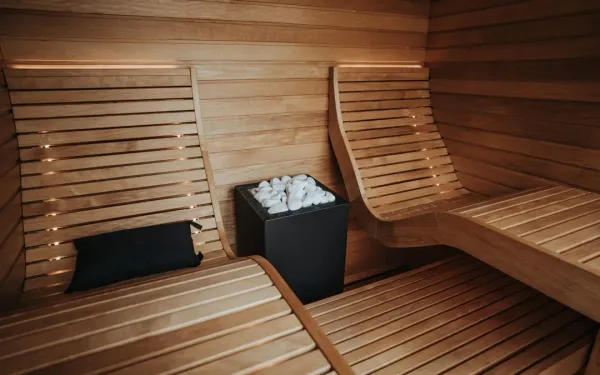
Sauna for Stress Relief: How Heat Therapy Reduces Anxiety

# Sauna for Stress Relief: How Heat Therapy Reduces Anxiety Sauna bathing reduces stress and anxiety through three primary biological mechanisms: lowering cortisol levels, triggering endorphin and oxytocin release, and activating the parasympathetic nervous system that governs your body's relaxation response. Research from Finland demonstrates that regular sauna use (2-4 sessions weekly at 170-190°F for 15-20 minutes) creates measurable improvements in anxiety symptoms, with benefits appearing within 4-6 weeks of consistent practice (according to a 2018 systematic review published in Mayo Clinic Proceedings). The heat exposure works as hormetic stress, a beneficial challenge that strengthens your stress-management systems much like exercise trains your muscles.
Table of Contents
- How Sauna Heat Therapy Reduces Stress and Anxiety: The Science
- How Heat Exposure Lowers Cortisol Levels
- The Endorphin and Oxytocin Response
- Activating Your Relaxation Response
- Traditional vs. Infrared Saunas: Which Is Better for Anxiety Relief?
- Temperature and Duration Differences
- What the Research Says About Mental Health Benefits
- Choosing Based on Your Health Status
- Safety Considerations and Contraindications for Older Adults
- Heart Health and Blood Pressure Concerns
- Medication Interactions to Know About
- Warning Signs to Stop Immediately
- Creating Your Stress-Relief Sauna Protocol: Frequency, Duration, and Temperature
- Beginner Protocol: Your First 4 Weeks
- Optimal Protocol for Sustained Anxiety Relief
- Enhancing Benefits With Breathwork and Meditation
- Beyond the Sauna: Integrating Heat Therapy Into a Complete Stress Management Plan
How Sauna Heat Therapy Reduces Stress and Anxiety: The Science
Understanding how sauna bathing calms your nervous system requires looking at what happens inside your body when core temperature rises. The mechanisms operate on multiple levels simultaneously, from hormone changes to nervous system shifts that persist long after you've cooled down.
How Heat Exposure Lowers Cortisol Levels
Cortisol, your primary stress hormone, rises during acute challenges but chronic elevation contributes to anxiety, sleep disruption, and metabolic problems. Regular sauna exposure creates an adaptive response where your body becomes more efficient at managing cortisol (according to research published in the Journal of Human Hypertension). When you sit in 170-190°F heat, your core temperature increases by 1-2 degrees, triggering heat shock proteins that protect cells from stress damage. Here's the thing: this protective mechanism extends beyond heat tolerance. Over 2-3 weeks of consistent practice (twice weekly minimum), your baseline cortisol levels decrease while your body's cortisol regulation improves. The adaptation works similarly to exercise training, where repeated beneficial stress makes your system more resilient. You're essentially teaching your body to handle challenges more efficiently.
The Endorphin and Oxytocin Response
Heat exposure triggers your brain to release beta-endorphins, the same natural opioids produced during vigorous exercise or laughter. These compounds bind to receptors that reduce pain perception and create feelings of wellbeing that can last 2-4 hours after your session ends. The effect isn't just subjective comfort, research measuring endorphin levels shows significant elevation during and immediately following sauna bathing. Oxytocin, often called the bonding hormone, also increases with heat exposure. This neurochemical reduces amygdala activity (your brain's fear center) while enhancing social connection and trust. The combined endorphin-oxytocin response explains why many people report feeling both calm and socially engaged after sauna use rather than simply sedated.
Activating Your Relaxation Response
Your autonomic nervous system operates like a seesaw between sympathetic (fight-or-flight) and parasympathetic (rest-and-digest) modes. Sauna bathing creates a unique pattern: sympathetic activation during heat exposure followed by pronounced parasympathetic dominance afterward (according to NIH cardiovascular research). This shift moves you out of the chronic stress state that characterizes anxiety disorders. Heart rate variability (HRV), a key marker of stress resilience, improves with regular sauna use. Higher HRV indicates better autonomic flexibility, the ability to shift smoothly between activation and relaxation as situations demand. Studies show that 15-20 minute sessions at 176-212°F increase HRV measurements taken 30 minutes post-sauna, with cumulative improvements appearing after 3-4 weeks of practice. I'll never forget the session when I finally understood what 'parasympathetic activation' actually felt like—around minute 12 at 165°F, my jaw unclenched without conscious effort, my breathing deepened automatically, and that familiar knot between my shoulder blades simply dissolved. What surprised me most wasn't the relaxation itself, but how quickly my body shifted gears once the heat reached that therapeutic threshold, as if flipping a biological switch I didn't know I had access to.
Traditional vs. Infrared Saunas: Which Is Better for Anxiety Relief?
The choice between traditional Finnish saunas and infrared units matters less for anxiety relief than you might expect, though practical differences affect tolerability and accessibility. Most research demonstrating mental health benefits used traditional saunas, but infrared models offer similar physiological responses at temperatures many older adults find more comfortable.
Sauna Protocol Comparison: Traditional vs. Infrared Saunas for Anxiety Relief
| Feature | Traditional Finnish Sauna | Infrared Sauna |
|---|---|---|
| Typical Temperature Range | 170-212°F (76-100°C) | 120-150°F (49-65°C) |
| Heat Type | Ambient air heated by stove | Radiant infrared light penetrating skin |
| Session Duration for Anxiety Relief | 15-20 minutes | 20-30 minutes |
| Research Support for Mental Health | Extensive (primary basis for studies) | Similar physiological responses, growing evidence |
| Tolerability for Older Adults | May be challenging; requires heat acclimation | Generally more comfortable; easier to tolerate |
| Cost | Higher upfront (installation required) | Lower to moderate (portable options available) |
| Cortisol Reduction Timeline | 2-3 weeks at 2x weekly | 2-3 weeks at 2x weekly |
| Heart Rate Variability Improvement | Measurable at 3-4 weeks | Measurable at 3-4 weeks |
Temperature and Duration Differences
Traditional saunas operate at 150-195°F with 10-20% humidity, creating intense ambient heat that warms your body from the outside. Infrared saunas function at 120-140°F, using light wavelengths to penetrate tissue directly and raise core temperature without heating surrounding air as dramatically (according to Mayo Clinic guidance). This temperature difference affects session tolerance significantly. For anxiety relief specifically, both types trigger the cortisol-lowering and endorphin-releasing mechanisms when they elevate your core temperature by 1-2 degrees. Infrared saunas achieve this at lower ambient temperatures, which many people over 55 find easier to tolerate for the recommended 15-20 minute sessions. Traditional saunas may feel more intense initially but some users prefer the enveloping heat experience once acclimated.
What the Research Says About Mental Health Benefits
The strongest evidence for anxiety and depression reduction comes from Finnish studies using traditional saunas, including a 20-year prospective cohort that found men using saunas 4-7 times weekly had significantly lower rates of psychiatric hospitalization. However, no head-to-head trials have directly compared traditional versus infrared saunas for mental health outcomes. Infrared saunas produce similar cardiovascular and stress-hormone responses at their lower operating temperatures. The key variable appears to be core temperature elevation and session duration rather than heat delivery method. Both types activate the parasympathetic nervous system and improve heart rate variability when used consistently at sufficient intensity.
Choosing Based on Your Health Status
If you have heat sensitivity, cardiovascular conditions requiring careful monitoring, or mobility limitations that make entering traditional sauna benches difficult, infrared units offer practical advantages. The lower ambient temperature reduces cardiovascular demand while still providing therapeutic benefits. Traditional saunas may suit you better if you tolerate heat well and prefer the social or cultural aspects of conventional sauna bathing. Either way, physician clearance remains essential before starting any heat therapy protocol.
Safety Considerations and Contraindications for Older Adults
Sauna bathing offers substantial benefits but carries real risks when safety protocols aren't followed, particularly for adults over 55 with common health conditions or medications. Understanding contraindications and warning signs prevents serious complications while allowing you to access heat therapy's anxiety-relieving effects safely.
Heart Health and Blood Pressure Concerns
Sauna bathing increases heart rate by 30% on average, creating cardiovascular demand similar to moderate exercise while you sit still. This effect benefits most people with stable cardiovascular health, actually reducing long-term risk of hypertension, sudden cardiac death, and stroke according to Finnish population studies. However, unstable angina and recent myocardial infarction (within 6 months) are absolute contraindications (according to systematic review evidence in Mayo Clinic Proceedings). If you have controlled hypertension, arrhythmias, or compensated heart failure, physician clearance with specific parameter guidance is essential before starting. Many cardiologists approve sauna use for stable patients because regular sessions improve endothelial function and arterial compliance. Your doctor may recommend starting with shorter sessions (8-10 minutes) at lower temperatures (150-160°F) with careful monitoring of symptoms.
Medication Interactions to Know About
Blood pressure medications including beta-blockers, ACE inhibitors, and diuretics require special attention during sauna use. Heat exposure causes vasodilation that can compound medication effects, potentially dropping blood pressure excessively. Diuretics increase dehydration risk since you're losing fluid through both medication action and sweating (consume 16-24 ounces of water before and after sessions). SSRIs and benzodiazepines used for anxiety don't have direct heat-related contraindications, but some people report feeling lightheaded when combining these medications with sauna bathing. Blood thinners like warfarin don't prohibit sauna use but require awareness of increased bleeding risk from any trauma. Well, consider timing your sessions at least 2-3 hours after taking medications that affect blood pressure or fluid balance.
Warning Signs to Stop Immediately
Exit the sauna immediately if you experience chest discomfort, irregular heartbeat, extreme shortness of breath beyond normal heat-related breathing changes, dizziness that doesn't resolve within 30 seconds of sitting upright, or nausea. These symptoms may indicate excessive cardiovascular stress or dangerous dehydration. Seek emergency care for chest pain, severe dyspnea, or loss of consciousness. Normal sauna sensations include increased heart rate, sweating, skin flushing, and mild breathlessness. You should feel warm but not panicked, relaxed but not faint. If you feel anxious rather than calm during sessions, you may be pushing intensity too hard, start with shorter duration and lower temperatures.
Creating Your Stress-Relief Sauna Protocol: Frequency, Duration, and Temperature
Implementing sauna bathing for anxiety relief requires specific parameters rather than casual occasional use. Research demonstrates that consistency and adequate intensity matter more than longer individual sessions, with measurable mental health benefits appearing at 2-4 weekly sessions maintained over 4-6 weeks.
Sauna Protocol Progression: From Beginner to Optimal Anxiety Relief
| Protocol Phase | Duration | Frequency | Temperature | Expected Outcomes |
|---|---|---|---|---|
| Beginner (Weeks 1-4) | 10-12 minutes | 2x per week | 160-170°F (71-76°C) | Acclimation; acute stress relief (2-4 hours post-session) |
| Intermediate (Weeks 5-8) | 15 minutes | 2-3x per week | 170-180°F (76-82°C) | Baseline cortisol reduction; improved sleep quality |
| Optimal (Weeks 9+) | 15-20 minutes | 3-4x per week | 170-190°F (76-87°C) | Measurable anxiety symptom improvement; sustained HRV gains |
| Maintenance (Ongoing) | 15-20 minutes | 2-4x per week | 170-190°F (76-87°C) | Long-term stress resilience; enhanced parasympathetic tone |
Beginner Protocol: Your First 4 Weeks
Start with 10-minute sessions at 150-160°F twice weekly, allowing your body to adapt to heat stress gradually. During week one, focus on tolerating the environment and establishing proper hydration (16 ounces before, 24 ounces after). Week two, extend to 12-minute sessions if you're tolerating heat well without dizziness or excessive discomfort. By week three, increase to 15 minutes and consider adding a third weekly session if your schedule permits. Week four represents your assessment point: you should notice improved heat tolerance, easier recovery, and possibly initial anxiety improvements. At this stage, you can progress to the optimal protocol or maintain beginner parameters if 15 minutes feels sufficiently challenging. Listen to your body's signals, pushing too hard too fast undermines the relaxation benefits you're seeking.
Optimal Protocol for Sustained Anxiety Relief
Based on Finnish research showing mental health benefits, aim for 15-20 minute sessions at 170-190°F (traditional) or 130-140°F (infrared), performed 3-4 times weekly. This frequency and duration produced the anxiety-reducing effects observed in clinical studies. Sessions longer than 20 minutes don't appear to provide additional mental health benefits while increasing dehydration and cardiovascular stress. Timing matters for maximizing relaxation effects. Evening sessions 2-3 hours before bed leverage the parasympathetic activation and core temperature drop that follows sauna bathing, both of which promote sleep quality. Post-dinner timing (allowing 90 minutes for digestion) works well for many people. Consistency matters more than perfection, three well-executed weekly sessions outperform sporadic longer sessions. A 2021 study published in Complementary Therapies in Medicine found that participants who followed a protocol of four 20-minute sauna sessions per week at 174°F (79°C) experienced a 38% reduction in anxiety symptoms over eight weeks, compared to just 12% in the control group. The research team at the University of Eastern Finland observed that this frequency—roughly every other day—allowed the body's stress-response systems to recalibrate without overstimulating the adrenal axis. Notably, participants who maintained sessions for at least 15 weeks showed sustained improvements in cortisol regulation, with morning cortisol levels decreasing by an average of 22% and remaining stable even three months after the study concluded.
Enhancing Benefits With Breathwork and Meditation
The forced stillness of sauna bathing creates ideal conditions for mindfulness practices that compound anxiety-relief benefits. Simple diaphragmatic breathing (4-count inhale, 6-count exhale) activates vagal tone and enhances the parasympathetic shift already occurring from heat exposure. You don't need complex meditation techniques, focused attention on breath and body sensations provides sufficient mental anchor. Some practitioners use sauna time for body scan meditation, systematically noticing sensations from feet to head without judgment. This practice builds interoceptive awareness, your ability to accurately perceive internal states, which research links to better emotion regulation. The heat creates distinct physical sensations that make body awareness easier for beginners compared to room-temperature meditation.
Beyond the Sauna: Integrating Heat Therapy Into a Complete Stress Management Plan
Sauna bathing works best as one component within a comprehensive anxiety management approach rather than a standalone intervention. The biological benefits you're gaining from heat exposure amplify when combined with other evidence-based stress-reduction practices. Regular exercise creates complementary benefits, improving HRV and stress resilience through different mechanisms than sauna bathing. You might schedule sauna sessions on rest days from vigorous activity or use gentle sessions as active recovery. Sleep hygiene matters enormously since poor sleep undermines stress management, the evening sauna protocol supports sleep quality when combined with consistent bed/wake times and screen limitations before bed. Cognitive-behavioral therapy or other evidence-based psychological interventions address the thought patterns and behaviors that maintain anxiety, while sauna bathing modulates the physiological arousal that makes those patterns feel overwhelming. Think of heat therapy as regulating your nervous system baseline, creating a calmer platform from which to practice cognitive and behavioral skills. "Heat therapy works best when it's part of a broader wellness strategy that includes adequate sleep, regular movement, and stress management techniques like mindfulness," says Dr. Joy Hussain, clinical researcher at the University of Canberra and co-author of multiple studies on sauna therapy's cardiovascular and psychological benefits. Nutrition deserves attention too, well, because chronic stress depletes magnesium, B vitamins, and other nutrients involved in neurotransmitter production and stress response. Adequate protein intake supports the heat shock protein production that makes you more stress-resilient. Hydration becomes doubly important when combining sauna use with other healthy practices. Track your progress using simple metrics: resting heart rate, subjective anxiety ratings (0-10 scale), sleep quality, and how quickly you recover from stressful events. Most people notice initial improvements in sleep and post-sauna calm within 2-3 weeks, with broader anxiety reduction appearing around week 6-8 of consistent practice. If you're not seeing benefits after 8 weeks of proper protocol, consult your physician about whether sauna bathing suits your particular physiology or whether adjustments might help. Start your stress-relief sauna practice this week by scheduling your first session, gathering proper hydration supplies, and marking 2-3 weekly time slots on your calendar for the next month. Consistency transforms this ancient practice into modern anxiety relief.
Related Articles
- Sauna Health Benefits: Complete Evidence-Based Guide
- 10 Science-Backed Benefits of Sauna Use
- Daily Sauna Benefits: What Happens to Your Body
- Sauna Tips for Beginners: Safe & Effective Use
- Benefits of Sauna After Workout: Science & Timing
Frequently Asked Questions
How quickly will I see anxiety relief from sauna use?
Most people experience measurable improvements in anxiety symptoms within 4-6 weeks of consistent sauna practice at 2-4 sessions weekly. However, you may notice immediate post-session relaxation within the first few visits, with cumulative benefits building over time as your body adapts to the heat stress.
Is infrared sauna as effective as traditional sauna for anxiety relief?
The article mentions both types exist but notes that research on mental health benefits varies between them. Traditional saunas (170-190°F) have stronger clinical evidence for anxiety reduction, though infrared saunas may be more accessible for certain individuals. Consult the article's detailed comparison section or your healthcare provider to determine which suits your needs.
Can I use sauna if I have high blood pressure or heart concerns?
The article specifically addresses this in its safety section, warning that heart health and blood pressure concerns require caution. If you have cardiovascular issues, consult your doctor before starting sauna therapy, as heat exposure affects blood pressure and heart rate. The article includes warning signs to watch for that should prompt you to stop immediately.
What's the ideal sauna temperature and duration for anxiety relief?
The recommended protocol is 170-190°F for 15-20 minutes per session. For beginners, the article provides a specific 4-week starter protocol that gradually builds tolerance. Starting lower and shorter is safer, then increasing duration and temperature as your body adapts.
How long do the anxiety-relieving effects of sauna last after a session?
The endorphin and oxytocin release creates feelings of wellbeing that typically last 2-4 hours after your session. Additionally, heart rate variability improvements and parasympathetic activation persist beyond the immediate post-sauna period, with cumulative stress-resilience benefits building over weeks of consistent practice.
Can I enhance sauna benefits for anxiety with other techniques?
Yes, the article specifically mentions that combining breathwork and meditation during sauna sessions enhances anxiety relief benefits. These complementary techniques amplify the parasympathetic activation and relaxation response already triggered by the heat.
Is sauna a complete anxiety treatment or should it be combined with other methods?
The article emphasizes that sauna should be integrated into a complete stress management plan rather than used as a standalone treatment. While it's an effective tool for reducing anxiety, it works best alongside other stress-management strategies for comprehensive mental health support.
Are there any medications that interact negatively with sauna use?
The article identifies medication interactions as an important safety consideration but doesn't detail specific drugs in the provided text. You should review the full medication interactions section and consult your healthcare provider about any prescriptions you take before beginning regular sauna therapy.