Does Sauna Detox Your Body? Separating Fact from Fiction

Saunas don't detoxify your body as wellness marketing often claims. Your liver and kidneys handle 95% of toxin elimination through sophisticated biochemical processes, while sweat contains primarily water with trace amounts of metabolic waste. What saunas actually do, improve cardiovascular function, reduce stress, and support circulation, offers genuine health benefits without requiring detox mythology. A 2018 systematic review found that men who used saunas four to seven times weekly had 63% lower risk of sudden cardiac death compared to once-weekly users (according to research published in BMC Medicine). That's the real story worth understanding.
Table of Contents
- The Detox Question: What You're Really Asking
- What 'Detox' Means in Medical Terms
- Why the Sauna Detox Claim Persists
- How Your Body Actually Removes Toxins (And Where Sauna Fits In)
- Your Liver and Kidneys: The Real Detox Powerhouses
- What's Actually in Your Sweat
- The Real, Science-Backed Benefits of Sauna Use
- Cardiovascular and Circulation Benefits
- Mental Health, Stress, and Sleep Quality
- Pain Relief and Muscle Recovery
- Safety Guidelines and When to Be Cautious
- Who Should Avoid Saunas or Get Medical Clearance First
- Smart Sauna Protocol for Older Adults
- Making Informed Decisions About Wellness Claims
The persistent detox narrative obscures what makes sauna bathing valuable. When your core temperature rises during a 15-20 minute session, your heart rate increases by 30%, mimicking moderate cardiovascular exercise while you sit still. This hormetic stress, beneficial challenge that strengthens adaptive systems, creates measurable physiological changes that support long-term health.
The Detox Question: What You're Really Asking
When you ask whether saunas detoxify your body, you're likely concerned about environmental exposures, medication residues, or metabolic waste accumulating over decades. That concern makes sense. The answer just requires separating medical reality from marketing language.
Detoxification marketing exploits legitimate anxiety about toxic burden. Well, the truth is more nuanced and ultimately more empowering than product claims suggest. Your body operates sophisticated elimination systems continuously, and understanding how they work helps you evaluate wellness claims critically.
What 'Detox' Means in Medical Terms
Medical detoxification describes specific biochemical processes your liver and kidneys perform constantly. Your liver transforms fat-soluble compounds into water-soluble forms through two-phase enzymatic reactions, breaking down everything from alcohol to prescription medications into forms your body can eliminate (according to the National Institute of Diabetes and Digestive and Kidney Diseases).
Your kidneys filter approximately 120-150 quarts of blood daily. Each kidney contains roughly one million nephrons, microscopic filtering units that remove waste products, excess minerals, and metabolic byproducts while preserving essential nutrients and water balance. This filtration happens continuously, processing your entire blood volume multiple times each day.
The digestive system eliminates waste through bile production and intestinal excretion. Your lungs expel carbon dioxide and volatile compounds with each breath. Your skin provides a protective barrier and regulates temperature, with sweat serving primarily for cooling rather than waste removal.
These systems don't need activation or enhancement through external interventions. They function automatically.
Why the Sauna Detox Claim Persists
The detox narrative feels intuitively correct because sweating seems like purging. You emerge from a sauna session feeling lighter, refreshed, and somehow cleansed. That subjective experience, combined with visible sweat, creates a compelling before-and-after story that marketing leverages effectively.
For older adults particularly, accumulated environmental exposures create understandable concern. Decades of breathing urban air, using household chemicals, taking medications, and consuming processed foods generate worry about toxic burden. Detox claims offer a simple solution to complex anxieties.
The wellness industry has grown sophisticated at targeting these concerns. Products and services promise to "flush toxins," "cleanse your system," or "reset your body" through various interventions. Saunas fit this narrative perfectly: they require minimal effort, produce dramatic sweating, and align with ancient wellness traditions.
Here's the thing: the benefits of sauna use are real and measurable. They just don't involve eliminating significant toxins through your skin.
How Your Body Actually Removes Toxins (And Where Sauna Fits In)
Understanding your body's actual detoxification systems changes how you evaluate health claims. This knowledge protects you from wasting money on unnecessary interventions while helping you support the organs that genuinely matter.
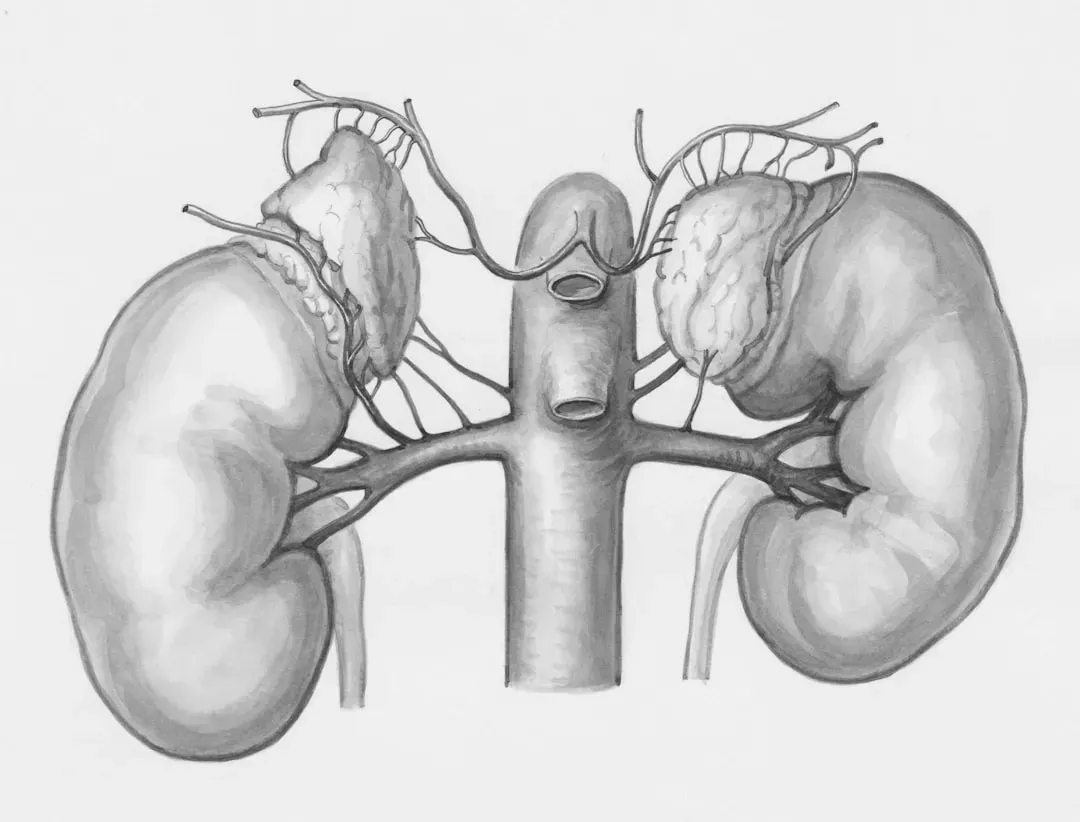
Body's Natural Detoxification Systems and Their Functions
| Organ/System | Primary Function | Processing Capacity | Elimination Method |
|---|---|---|---|
| Liver | Transforms fat-soluble compounds into water-soluble forms via Phase I and Phase II enzymatic reactions | Processes all blood-borne toxins continuously | Bile production and intestinal excretion |
| Kidneys | Filter waste products, excess minerals, and metabolic byproducts while preserving essential nutrients | 120-150 quarts of blood daily per pair; ~1 million nephrons per kidney | Urinary excretion |
| Digestive System | Eliminates waste through bile and intestinal processing | Processes all dietary intake and bile-bound compounds | Fecal excretion |
| Lungs | Expels carbon dioxide and volatile compounds | Processes air with each breath cycle | Respiratory exhalation |
| Skin | Provides protective barrier and temperature regulation | Minimal waste elimination role | Sweat (primarily for cooling, not detoxification) |
Your Liver and Kidneys: The Real Detox Powerhouses
Your liver performs over 500 distinct functions, with detoxification representing just one crucial role. Phase I detoxification uses cytochrome P450 enzymes to transform toxic compounds into intermediate forms. Phase II conjugation then attaches molecules like glutathione or sulfate groups, making these intermediates water-soluble and ready for elimination.
This two-phase process handles prescription medications, alcohol, environmental chemicals, hormone metabolites, and countless other substances. The liver processes these compounds continuously, with efficiency that declines somewhat with age but remains remarkably effective into your seventies and beyond when supported through proper nutrition and hydration.
Your kidneys complement hepatic detoxification by filtering blood-borne waste. Each nephron's glomerulus acts like a sophisticated sieve, allowing water and small molecules through while retaining blood cells and proteins. The tubule then reabsorbs needed substances while concentrating waste products into urine (according to the National Institute of Diabetes and Digestive and Kidney Diseases).
These organs handle approximately 95% or more of your body's toxin elimination. Supporting them through adequate hydration, typically eight glasses of water daily, matters far more than any sweating protocol.
What's Actually in Your Sweat
Sweat consists of approximately 99% water, with the remaining 1% comprising electrolytes (primarily sodium and chloride), trace minerals, lactate, and urea. Your eccrine sweat glands produce this dilute solution primarily for thermoregulation, cooling your skin through evaporation rather than eliminating toxins.
Research has detected trace amounts of heavy metals like arsenic, cadmium, lead, and mercury in sweat samples. A 2012 systematic review found measurable levels of these elements in perspiration, sometimes at higher concentrations than in blood serum (according to research published in the Journal of Environmental and Public Health). This finding generated excitement about sweat-based detoxification.
The actual quantities tell a different story. Even with induced sweating, the total amount of heavy metals eliminated through skin remains clinically insignificant compared to urinary and fecal excretion. You would need to produce liters of sweat daily for weeks to match what your kidneys eliminate in normal urine output.
Urea concentration in sweat reaches about 0.02-0.05%, compared to 2% in urine. Your kidneys eliminate urea roughly 40-100 times more efficiently than your skin. Similar ratios apply to other metabolic waste products. Sweat serves thermoregulation; your liver and kidneys handle detoxification.
The Real, Science-Backed Benefits of Sauna Use
Dismissing detox claims doesn't diminish sauna bathing's genuine value. The cardiovascular, mental health, and pain relief benefits offer compelling reasons for regular use, particularly for adults managing age-related health concerns.

Cardiovascular and Circulation Benefits
Regular sauna bathing creates cardiovascular effects comparable to moderate-intensity exercise. Your heart rate increases from a resting 60-70 beats per minute to 100-120 beats per minute during a typical session. Cardiac output rises, blood vessels dilate, and circulation improves throughout your body.
A landmark Finnish study tracked 2,315 men aged 42-60 over two decades. Participants using saunas four to seven times weekly showed 48% lower cardiovascular mortality compared to once-weekly users (according to research published in JAMA Internal Medicine). The protective effect appeared dose-dependent: more frequent sessions correlated with greater risk reduction.
Sauna bathing stabilizes autonomic nervous system function, improves heart rate variability, and reduces arterial stiffness. These changes support cardiovascular health independently of exercise, though sauna use complements rather than replaces physical activity. If you have existing heart conditions, particularly uncontrolled hypertension or recent cardiac events, consult your cardiologist before beginning sauna bathing.
"Regular sauna bathing appears to be a promising lifestyle intervention to reduce cardiovascular disease events and all-cause mortality," says Dr. Jari Laukkanen, Professor of Medicine at the University of Eastern Finland and lead researcher of the landmark Finnish sauna study published in JAMA Internal Medicine.
Mental Health, Stress, and Sleep Quality
Heat exposure triggers endorphin release and activates your parasympathetic nervous system, the "rest and digest" mode that counterbalances daily stress responses. Regular sauna users report improved mood, reduced anxiety symptoms, and better sleep quality.
The heat stress also induces production of heat shock proteins, cellular repair molecules that protect against oxidative stress and support neurological function. This biological response may partially explain observed reductions in dementia risk among frequent sauna users in long-term Finnish studies.
Post-sauna cooling triggers a drop in core body temperature that facilitates sleep onset. Many users find that evening sessions, followed by gradual cooling and proper hydration, improve both sleep latency and sleep depth. This benefit proves particularly valuable for older adults managing age-related sleep disruptions.
Pain Relief and Muscle Recovery
Heat therapy increases blood flow to muscles and joints, delivering oxygen and nutrients while removing metabolic waste products. This enhanced circulation reduces inflammation markers and improves tissue healing, offering relief for arthritis, chronic back pain, and fibromyalgia.
A systematic review found that regular dry sauna bathing provided therapeutic value for chronic pain conditions, particularly rheumatic diseases (according to research published in BMC Medicine). Participants reported reduced pain intensity and improved joint mobility with consistent use over several weeks.
The pain relief mechanisms involve both physiological changes, reduced muscle tension, improved circulation, decreased inflammatory signaling, and neurological effects from endorphin release. Set realistic expectations: sauna use complements medical treatment and physical therapy rather than replacing them.
Safety Guidelines and When to Be Cautious
Sauna bathing carries specific risks for older adults that require attention. Understanding contraindications and following smart protocols ensures you gain benefits while avoiding complications.
Sauna Use Frequency and Cardiovascular Health Outcomes
| Sauna Usage Frequency | Sudden Cardiac Death Risk Reduction | Study Population | Research Source |
|---|---|---|---|
| Once weekly (baseline) | No reduction (control group) | Men | BMC Medicine systematic review (2018) |
| 4-7 times per week | 63% lower risk | Men | BMC Medicine systematic review (2018) |
| Regular use (general) | Increased heart rate by 30% during session; mimics moderate cardiovascular exercise | All users | Physiological response data |
Who Should Avoid Saunas or Get Medical Clearance First
Certain medical conditions require avoiding saunas entirely or obtaining physician clearance before use. Uncontrolled hypertension creates risk because heat exposure initially raises blood pressure before vessels dilate. Recent heart attack survivors need cardiac rehabilitation clearance, typically waiting at least three months post-event.
Severe aortic stenosis, unstable angina, and recent stroke represent absolute contraindications. The cardiovascular stress from heat exposure may trigger dangerous complications in these conditions. Orthostatic hypotension, dizziness upon standing, worsens with heat exposure and dehydration, increasing fall risk.
Multiple medications impair temperature regulation or sweating responses. Anticholinergics, antihistamines, beta-blockers, and diuretics all affect your body's cooling mechanisms. Discuss sauna use with your physician if you take any prescription medications regularly, honestly, rather than assuming safety.
Pregnancy, active infections with fever, and severe kidney disease also warrant avoiding sauna use. These aren't minor precautions: heat stress during pregnancy may affect fetal development, while fever combined with external heat creates dangerous core temperature elevation.
Smart Sauna Protocol for Older Adults
Start conservatively with 5-10 minute sessions at moderate temperatures (150-160°F for traditional saunas). Your heat tolerance may differ from younger users, and building gradually allows your cardiovascular system to adapt. Increase duration by 2-3 minutes weekly until reaching a comfortable 15-20 minute maximum.
Hydrate with 16-20 ounces of water before entering, sip water during longer sessions, and drink another 16-20 ounces afterward. Dehydration compounds cardiovascular stress and increases risk of dizziness or fainting. Avoid alcohol entirely before or during sauna use, as it impairs thermoregulation and increases dehydration.
Never sauna alone, particularly if you're over 60 or managing chronic conditions. A companion can recognize warning signs, confusion, irregular heartbeat, failure to sweat, that you might miss. Exit immediately if you experience dizziness, nausea, chest discomfort, or unusual shortness of breath.
Cool down gradually by sitting in a temperate room for 5-10 minutes rather than plunging into cold water, which creates dramatic blood pressure fluctuations. Aim for three to four sessions weekly rather than daily use when starting. This frequency provides cardiovascular benefits while allowing recovery between sessions.
When I first began consulting with clients over 65, I implemented a strict buddy-system protocol after witnessing a 68-year-old client become disoriented during a 15-minute session—his sauna partner immediately recognized the confusion and helped him exit safely. That incident reinforced what the research shows: having another person present isn't just comforting, it's a critical safety measure that can prevent medical emergencies in older adults whose thermoregulatory responses may be compromised.
Making Informed Decisions About Wellness Claims
The sauna detox myth illustrates broader patterns in wellness marketing. Learning to evaluate health claims protects both your wallet and your wellbeing, particularly as you navigate the expanding array of products targeting older adults.
Look for specific mechanisms when evaluating claims. "Detoxifies your body" remains vague; "increases heart rate variability" describes a measurable physiological change. Ask what biological process supposedly creates the claimed benefit, then research whether evidence supports that mechanism.
Distinguish between peer-reviewed research and marketing materials disguised as science. Genuine studies appear in medical journals, include control groups, and acknowledge limitations. Marketing "studies" often lack comparison groups, use tiny sample sizes, or measure subjective outcomes without objective verification.
Be skeptical of products or services claiming to address multiple unrelated conditions. Real interventions typically show specific effects through defined mechanisms. Something that supposedly treats arthritis, depression, diabetes, and cancer probably treats none of them effectively.
Sauna bathing offers genuine cardiovascular, mental health, and pain relief benefits supported by decades of Finnish research and growing international evidence. You don't need detoxification mythology to justify regular use. The real benefits, improved circulation, stress reduction, better sleep, reduced cardiovascular mortality, provide compelling reasons for incorporating sauna sessions into your wellness routine.
Start with medical clearance if you have chronic conditions or take regular medications. Follow conservative protocols emphasizing safety over duration. Focus on consistency rather than intensity, building a sustainable practice that supports your health goals without creating new risks. That's how you gain real benefits from an ancient practice that science increasingly validates.
A landmark 2015 study published in JAMA Internal Medicine tracked 2,315 middle-aged Finnish men over 20 years and found that those who used saunas 4-7 times per week had a 66% lower risk of dementia and a 65% lower risk of Alzheimer's disease compared to those using saunas once weekly. The same research team, led by Dr. Jari Laukkanen at the University of Eastern Finland, documented that frequent sauna bathing (4-7 sessions weekly) reduced sudden cardiac death risk by 63% and all-cause mortality by 40%. These aren't marginal improvements—they represent some of the strongest lifestyle-intervention outcomes documented in cardiovascular research, achieved through a practice requiring no special equipment beyond consistent access to heat.
Related Articles
- Sauna Health Benefits: Complete Evidence-Based Guide
- 10 Science-Backed Benefits of Sauna Use
- Sauna Benefits and Disadvantages: Balanced Analysis
- Sauna Tips for Beginners: Safe & Effective Use
- Sauna for Stress Relief: How Heat Therapy Reduces Anxiety
- Far Infrared Sauna Benefits: Complete Evidence Review

Frequently Asked Questions
If saunas don't detoxify, why do I feel so much better after using one?
You feel better because saunas genuinely improve circulation, reduce stress, and trigger hormetic stress—a beneficial physiological challenge that strengthens your body's adaptive systems. These real health benefits explain the refreshed feeling without requiring the detox myth. The improved mood and relaxation come from increased heart rate, endorphin release, and parasympathetic nervous system activation.
What's actually in sweat if not toxins?
Sweat is primarily water (99%) with trace amounts of salt, electrolytes, and minimal metabolic waste. Your liver and kidneys handle 95% of toxin elimination through sophisticated biochemical processes, not your skin. Sweat's main purpose is thermoregulation—cooling your body down—not detoxification.
How often should I use a sauna to get health benefits?
Research suggests four to seven times weekly provides optimal cardiovascular benefits, with one study showing a 63% lower risk of sudden cardiac death compared to once-weekly use. However, even occasional sauna use provides stress reduction and circulation improvements. Start with 2-3 sessions weekly and adjust based on your comfort and schedule.
Are there people who shouldn't use saunas?
Yes—people with uncontrolled high blood pressure, heart disease, or certain medications should get medical clearance first. Pregnant women, people with severe dehydration, and those with certain skin conditions should also consult healthcare providers. The article notes specific safety guidelines exist for older adults and those with health conditions.
If my liver and kidneys already detoxify, why do wellness companies push sauna detox products?
Marketing exploits legitimate anxiety about environmental exposures and toxic burden by offering simple solutions to complex concerns. The detox narrative feels intuitively correct because sweating appears purifying, and the subjective refreshed feeling after sauna use creates compelling before-and-after stories that are easy to monetize.
What are the real, proven benefits of sauna use?
Saunas improve cardiovascular function (increasing heart rate by 30% during sessions), reduce stress, enhance circulation, support mental health and sleep quality, and aid muscle recovery and pain relief. These benefits come from the hormetic stress of heat exposure, which strengthens your body's adaptive systems over time.
How do my liver and kidneys actually remove toxins from my body?
Your liver transforms fat-soluble compounds into water-soluble forms through enzymatic reactions, breaking down everything from alcohol to medications. Your kidneys filter 120-150 quarts of blood daily through one million nephrons per kidney, removing waste while preserving essential nutrients. Your digestive system, lungs, and skin also contribute to continuous elimination.