Cold Plunge and Sauna Routine: Optimal Protocol
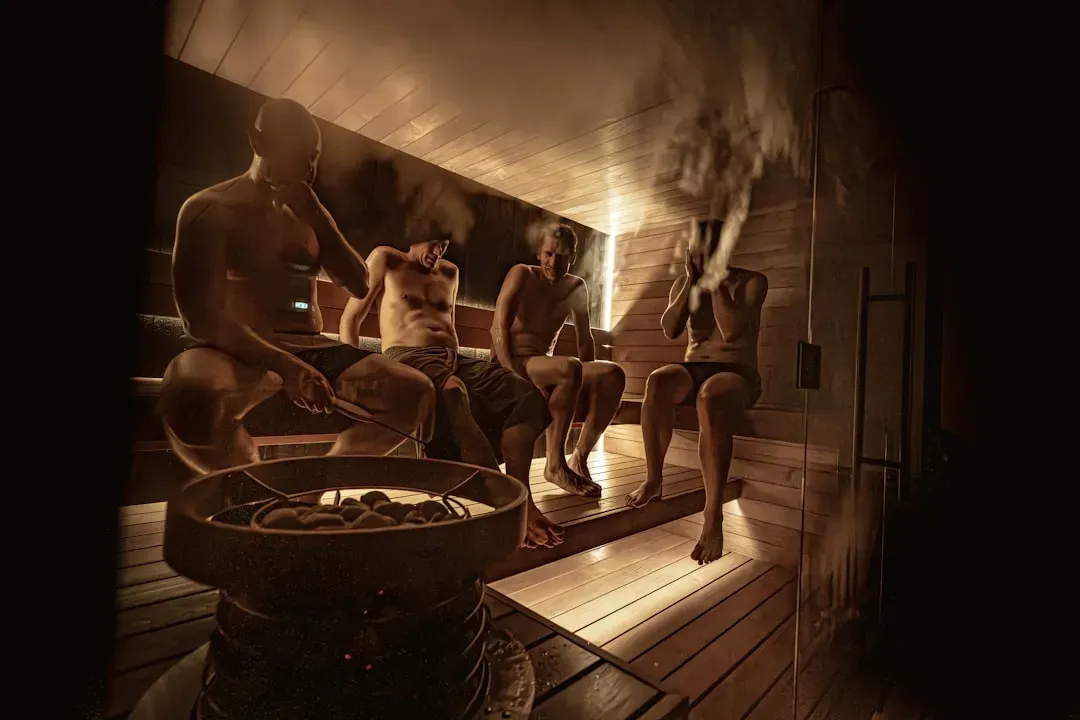
The optimal cold plunge and sauna routine follows a specific sequence: 15-20 minutes in a sauna at 150-190°F, a 2-5 minute cool-down period, then 1-5 minutes in cold water at 50-59°F, repeated 2-3 times weekly. This protocol maximizes cardiovascular benefits and recovery while minimizing risk, though you'll need to adjust these parameters based on your experience level and health status. Research from the University of Eastern Finland found that this heat-then-cold pattern creates beneficial cardiovascular stress similar to moderate exercise without the joint impact (according to a 2021 systematic review published in the journal Extreme Physiology & Medicine).
Table of Contents
- The Science-Backed Cold Plunge and Sauna Protocol
- The Fundamental Protocol at a Glance
- Why Sauna Before Cold Plunge
- Step-by-Step Protocol for Safe Implementation
- Before You Begin: Essential Preparation
- The Sauna Phase: Timing and Technique
- Transitioning to Cold: The Critical Cool-Down
- Adapting the Protocol for Your Health and Fitness Level
- Beginner Protocol: Your First 4-6 Weeks
- When Medical Clearance Is Essential
- Modifications for Common Age-Related Conditions
- Timing, Frequency, and Integration Into Your Routine
- Safety Precautions and Warning Signs You Must Know
The Science-Backed Cold Plunge and Sauna Protocol
Your body responds differently depending on whether you start with heat or cold. The sauna-first approach works because heat exposure dilates your blood vessels and elevates your heart rate to 100-150 beats per minute, creating a cardiovascular workout while you sit still (according to research published in the National Institutes of Health database). When you transition to cold water, your blood vessels constrict rapidly, forcing your cardiovascular system to adapt to the dramatic contrast.
This sequence matters more than most people realize. Starting with cold water first leaves your body in a vasoconstricted state, making the subsequent heat exposure less effective for circulation and potentially uncomfortable. The heat-cold pattern trains your autonomic nervous system to handle stress more efficiently, well, much like interval training conditions your muscles.
The Fundamental Protocol at a Glance
Start with 15-20 minutes in the sauna at temperatures between 150-175°F if you're new to heat therapy, progressing to 180-190°F as your tolerance builds over several weeks. Exit the sauna and allow 2-5 minutes for your heart rate to normalize in room-temperature air. Then immerse yourself in cold water at 50-59°F for 1-3 minutes initially, building toward 3-5 minutes as adaptation occurs.
Frequency matters as much as duration. Research shows that 2-3 sessions per week provides substantial benefits without overtaxing your recovery systems (according to Mayo Clinic guidance). Daily sessions can work for experienced practitioners, but beginners should start conservatively to allow physiological adaptation between exposures.
I still remember my third week of contrast therapy when I pushed the sauna temperature from 165°F to 185°F—my skin prickled with that deeper, penetrating heat that signals you've crossed into a new adaptation zone. That day, I held the cold plunge for only 90 seconds instead of my usual two minutes because my cardiovascular system was already working overtime from the increased heat exposure. This taught me viscerally what the research confirms: progression isn't linear, and respecting your body's daily capacity prevents the fatigue that derails consistency.
Temperature precision isn't critical within these ranges. A sauna at 165°F produces similar cardiovascular effects as one at 180°F, though the higher temperature achieves those effects slightly faster. Your cold plunge remains effective anywhere between 50-59°F, the range used in most cold water immersion studies examining recovery and adaptation (according to a 2020 review in Extreme Physiology & Medicine).
Why Sauna Before Cold Plunge
The physiological reasoning centers on vascular training. Heat exposure causes vasodilation, your blood vessels expand to dissipate heat through your skin, increasing blood flow to peripheral tissues. Your heart works harder to pump blood through this expanded vascular network, creating the cardiovascular conditioning effect that researchers have documented in multiple studies.
Cold water immersion then triggers rapid vasoconstriction, forcing blood from your extremities back toward your core organs. This dramatic shift in blood distribution is where much of the benefit occurs, your cardiovascular system learns to regulate blood pressure and flow more efficiently through repeated exposure to this contrast (according to Harvard Medical School research on sauna physiology).
Reversing this order, cold first, then heat, doesn't provide the same training stimulus. Starting cold leaves you vasoconstricted, and the subsequent heat simply returns you to baseline rather than creating the beneficial stress-and-recovery pattern that drives adaptation.
Step-by-Step Protocol for Safe Implementation
Successful sessions begin before you enter the sauna. Your preparation determines both safety and how effectively your body responds to the thermal stress you're about to experience.
Sauna-First vs. Cold-First Protocol Comparison
| Aspect | Sauna First (Recommended) | Cold First (Not Recommended) |
|---|---|---|
| Initial Vascular State | Vasodilation (blood vessels expand) | Vasoconstriction (blood vessels narrow) |
| Cardiovascular Stress | Gradual, progressive adaptation | Abrupt, less effective training stimulus |
| Subsequent Cold Response | Maximum contrast effect, optimal benefits | Minimal contrast, returns to baseline |
| Autonomic Nervous System Training | Efficient stress-response adaptation | Reduced conditioning effect |
| Comfort Level | More gradual transition | Potentially uncomfortable |
| Research Support | Documented in multiple peer-reviewed studies | Not supported by current research |
Before You Begin: Essential Preparation
Drink 16-20 ounces of water about 30 minutes before your session. This hydration buffer helps your body regulate temperature through sweating without depleting fluid reserves to dangerous levels (according to Harvard Medical School hydration guidelines). Avoid large meals within 90 minutes of your session, digestion diverts blood flow to your gut when you need it available for thermoregulation.
Use the bathroom before entering the sauna. Remove jewelry that can heat up and cause burns. Bring a water bottle into the sauna with you, honestly, you'll want it available rather than having to exit early.
The Sauna Phase: Timing and Technique
Enter the sauna and sit on a lower bench initially, heat stratifies with the hottest air near the ceiling. Your 15-20 minute session should feel challenging but not distressing. Breathe normally through your nose when possible, this helps regulate your core temperature more effectively than mouth breathing.
Sip water as needed throughout the session. If you feel dizzy, move to a lower bench or sit on the floor where temperatures are cooler. Exit immediately if you experience nausea, severe dizziness, chest discomfort, or extreme fatigue beyond normal heat-induced tiredness.
Building tolerance takes weeks, not days. Start with 10-12 minutes if you're new to sauna use, adding 2-3 minutes every week or two as your body adapts. Rushing this progression increases risk without accelerating benefits.
Transitioning to Cold: The Critical Cool-Down
Step outside the sauna and spend 2-5 minutes in room-temperature air. Sit or stand still, allowing your heart rate to decrease from its peak before entering cold water. This transition period prevents the shock that occurs when you plunge your overheated body directly into frigid water.
Rehydrate during this cool-down. Check that you're not lightheaded or experiencing any warning signs that would make cold immersion unsafe. Your breathing should return to a normal rhythm, though your skin will still feel warm to the touch.
This patience pays off. The cool-down makes cold water immersion significantly more tolerable and reduces the cardiovascular stress of the temperature transition.
Adapting the Protocol for Your Health and Fitness Level
Individual variation means the standard protocol serves as a starting framework, not a rigid prescription. Your age, health status, and experience with temperature extremes all influence how you should modify these parameters.

Beginner Protocol: Your First 4-6 Weeks
Start with 10-12 minute sauna sessions at 150-165°F, the lower end of the effective temperature range. Your cold plunge should last just 30-60 seconds in water at 55-59°F. One or two sessions per week allows adequate recovery time as your body learns to handle thermal stress.
Progression should be gradual and systematic. Add 2-3 minutes to your sauna duration every 1-2 weeks until you reach 15-20 minutes. Extend your cold plunge by 15-30 seconds using the same timeline. This conservative approach reduces risk while improving long-term adherence, to be fair, most people who push too hard too fast simply quit within a month.
Track your sessions in a simple log. Note duration, temperatures, and how you felt during and after. This data helps you identify patterns and adjust your protocol based on actual response rather than arbitrary timelines.
When Medical Clearance Is Essential
Certain conditions require physician approval before starting any contrast therapy protocol. Cardiovascular disease, uncontrolled hypertension, history of stroke, or cardiac arrhythmias all warrant medical consultation (according to Mayo Clinic cardiovascular safety guidelines). Recent surgery, pregnancy, kidney disease, or medications affecting thermoregulation, particularly beta-blockers, diuretics, or blood thinners, also necessitate professional guidance.
This requirement isn't meant to discourage you. Many people with these conditions can safely practice contrast therapy with appropriate modifications and monitoring. The goal is ensuring your specific situation receives individualized assessment rather than relying on general protocols designed for healthy populations.
Modifications for Common Age-Related Conditions
Arthritis often responds well to moderate sauna heat, which can provide joint relief when temperatures stay in the 150-170°F range. Enter and exit carefully, using grab bars if available. For controlled blood pressure, lower temperatures and shorter sessions, 12-15 minutes maximum, reduce cardiovascular demand while preserving benefits.
Mobility limitations don't preclude participation. Seated cold plunge options exist at many facilities, and accessibility features make both heat and cold exposure possible for most people regardless of physical constraints.
Timing, Frequency, and Integration Into Your Routine
When you schedule your sessions affects both the benefits you'll experience and how sustainable the practice becomes in your daily life. Morning sessions, particularly before breakfast, may enhance metabolic effects as your body mobilizes energy stores to maintain temperature regulation. Post-workout timing within 1-2 hours of training supports recovery through reduced inflammation and improved circulation.

Cold Plunge and Sauna Protocol Parameters by Experience Level
| Parameter | Beginners (Weeks 1-6) | Intermediate (Weeks 7-12) | Advanced (12+ weeks) |
|---|---|---|---|
| Sauna Temperature | 150-175°F | 170-185°F | 180-190°F |
| Sauna Duration | 10-15 minutes | 15-18 minutes | 15-20 minutes |
| Cool-Down Period | 2-5 minutes | 2-4 minutes | 2-3 minutes |
| Cold Water Temperature | 50-59°F | 50-59°F | 50-59°F |
| Cold Immersion Duration | 1-2 minutes | 2-3 minutes | 3-5 minutes |
| Cycles Per Session | 1-2 | 2-3 | 2-3 |
| Sessions Per Week | 1-2 | 2-3 | 2-3 (up to daily) |
Evening sessions can improve sleep quality when scheduled at least 2-3 hours before bed. The temporary spike in core temperature followed by cooling creates favorable conditions for sleep onset as your body temperature naturally decreases. Scheduling too close to bedtime may actually disrupt sleep in some individuals.
"The timing of heat exposure can significantly influence its physiological effects. When combined with cold exposure, scheduling these sessions earlier in the day tends to amplify metabolic benefits and improve adherence," says Dr. Rhonda Patrick, biomedical scientist and founder of FoundMyFitness, who has extensively researched heat stress and hormetic stressors.
Frequency of 2-3 times per week represents the evidence-based sweet spot. Research examining sauna bathing found that 4-7 sessions weekly provided maximum cardiovascular benefits, but combining sauna with cold plunge creates additional stress that requires more recovery time (according to the 2021 systematic review in cardiovascular research). Starting with twice weekly allows you to assess individual response before increasing frequency.
Rest days between sessions matter. Your cardiovascular system needs 48-72 hours to fully adapt to the thermal stress. Consecutive daily sessions can work for experienced practitioners, but most people benefit from alternating contrast therapy days with other recovery modalities or complete rest.
Safety Precautions and Warning Signs You Must Know
Understanding when to stop a session can prevent serious complications. Mild dizziness when standing after sauna use is normal, your blood pressure drops with rapid position changes (according to Harvard Medical School safety guidance). Severe dizziness, confusion, or inability to stand safely requires immediate session termination and medical attention if symptoms persist.

Chest pain or pressure, irregular heartbeat, or difficulty breathing beyond normal heat-induced breathlessness are absolute stop signals. Exit immediately and seek medical evaluation. Nausea, severe headache, or feeling faint indicate you've exceeded your current tolerance and should end the session.
Alcohol consumption before or during contrast therapy is dangerous. Alcohol impairs thermoregulation, increases dehydration risk, and can cause dangerous drops in blood pressure when combined with heat exposure (according to Mayo Clinic safety warnings). Avoid alcohol for at least 4 hours before sessions.
Dehydration symptoms include dark urine, extreme thirst, dry mouth, and fatigue that persists hours after your session. Proper hydration requires drinking water before, during, and after each session. Monitor your urine color, it should remain light yellow throughout the day.
A 2019 study published in BMC Complementary Medicine and Therapies found that approximately 10-15% of sauna users experience orthostatic hypotension (sudden blood pressure drop upon standing), with risk increasing significantly when sessions exceed 20 minutes at temperatures above 185°F. The Finnish Sauna Society reports that dizziness, nausea, rapid heartbeat exceeding 120 beats per minute during rest periods, or feeling faint are immediate warning signs requiring you to exit and cool down gradually. If you experience chest pain, severe headache, confusion, or difficulty breathing during any phase of contrast therapy, discontinue immediately and seek medical attention—these symptoms may indicate cardiovascular stress that requires professional evaluation.
Cold water shock is real but manageable. Your initial plunge triggers a gasp reflex and rapid breathing. Control this response by entering slowly, breathing deliberately, and staying calm. If you cannot control your breathing after 30 seconds in the water, exit and try again another day. Hyperventilation or panic responses indicate you're not ready for that temperature or duration.
Hypothermia risk exists when cold exposure extends beyond safe limits. Shivering is normal, violent shaking is not. Blue lips, slurred speech, or loss of coordination require immediate warming and medical assessment. Stay within the 1-5 minute range for cold plunges, longer durations increase risk without proportional benefits for most people.
Start your contrast therapy practice with conservative parameters and progress based on individual response. This approach maximizes benefits while minimizing the risks that come with any physiological stressor. Your body will adapt remarkably well when given appropriate time and gradual progression.
Related Articles
- Sauna Tips for Beginners: Safe & Effective Use
- Sauna for Muscle Recovery: Benefits & Best Practices
- Benefits of Sauna After Workout: Science & Timing
- Sauna Benefits for Cardiovascular Health: Complete Guide
- Sauna for Stress Relief: How Heat Therapy Reduces Anxiety
- What to Drink After Sauna: Hydration Guide
Frequently Asked Questions
Can I do cold plunge and sauna on consecutive days, or do I need rest days between sessions?
You should aim for 2-3 sessions per week with rest days between them to allow your recovery systems to adapt properly. While experienced practitioners can do daily sessions, beginners must start conservatively and space sessions apart to prevent fatigue and allow physiological adaptation between exposures.
What should I do if I feel dizzy or uncomfortable during the protocol?
Exit immediately and move to a cool, safe area. Dizziness or severe discomfort indicates your body is being overtaxed—reduce either the sauna temperature, duration, or cold plunge time in your next session. Always prioritize safety over pushing through warning signs.
Do I need medical clearance before starting cold plunge and sauna therapy?
Yes, medical clearance is essential if you have cardiovascular conditions, high blood pressure, or other health concerns. The protocol creates significant cardiovascular stress similar to moderate exercise, so consulting your doctor first is critical for safety.
What's the minimum cold water temperature needed for benefits, and can I use ice baths instead of a plunge pool?
The research-backed range is 50-59°F, and ice baths within this temperature range work equally well as dedicated plunge pools. The key is maintaining consistent temperature and duration rather than using the specific equipment type.
How long does it take to see results from cold plunge and sauna routines?
Most people notice improved recovery and cardiovascular adaptation within 4-6 weeks of consistent 2-3 weekly sessions. However, progression isn't linear—some days your body may handle less intensity, so patience and consistency matter more than rapid advancement.
Can I eat or drink before doing a sauna and cold plunge session?
The article doesn't specify timing, but general practice suggests waiting 1-2 hours after eating to avoid digestive stress during intense cardiovascular activity. Stay well-hydrated before the session, as heat exposure increases fluid loss.
What's the difference in benefits between 165°F and 180°F sauna temperatures?
Both temperatures produce similar cardiovascular benefits within the recommended 150-190°F range. The higher temperature (180°F) achieves those effects slightly faster, but temperature precision isn't critical—choose what feels sustainable for your tolerance level.
Is the 2-5 minute cool-down period between sauna and cold plunge flexible, or is it essential?
The cool-down allows your heart rate to normalize and is part of the optimal protocol, but the exact duration can vary slightly based on how quickly your body recovers. The key is allowing some normalization before the cold shock rather than jumping directly from sauna to ice water.