Hot and Cold Therapy Benefits: Science-Backed Results
Hot and cold therapy trigger opposite but complementary physiological responses that reduce pain, accelerate recovery, and enhance overall health. Cold therapy constricts blood vessels and reduces inflammation, while heat therapy dilates vessels and relaxes tissues, both backed by decades of clinical research showing measurable benefits for muscle recovery, chronic pain management, and cardiovascular health. A 2017 meta-analysis of 52 studies found that cold water immersion significantly reduced muscle soreness at 24, 48, 72, and 96 hours post-exercise, while recent 2024 research demonstrated hot water immersion superior to cold for maintaining muscle power output (According to research published in the National Center for Biotechnology Information). Understanding when to apply each therapy, and how your body's response changes with age, transforms these simple interventions into powerful tools for maintaining mobility and managing pain.
Table of Contents
- Understanding How Hot and Cold Therapy Work in Your Body
- The Science Behind Cold Therapy
- How Heat Therapy Affects Your System
- Why Your Age Matters for Therapy Response
- Proven Benefits of Cold Therapy: What Research Shows
- Pain Relief and Inflammation Reduction
- Mental Health and Cognitive Benefits
- Cardiovascular and Metabolic Effects
- Heat Therapy Benefits: Evidence-Based Applications
- Muscle Recovery and Performance Maintenance
- Chronic Pain and Arthritis Management
- Circulation and Cardiovascular Health
- When to Use Heat vs. Cold: A Practical Decision Guide
- Acute Injuries vs. Chronic Conditions
- Pre-Activity vs. Post-Activity Applications
- Safe Implementation: Protocols and Precautions for Older Adults
- Cold Therapy Safety Protocols
- Heat Therapy Safety Guidelines
- Contrast Therapy: Combining Heat and Cold
- When to Avoid Temperature Therapy Entirely
Understanding How Hot and Cold Therapy Work in Your Body
Your body responds to temperature extremes with predictable, measurable changes that extend far beyond the skin's surface. These responses involve your circulatory system, nervous system, cellular metabolism, and immune function working in concert. The mechanisms differ dramatically between heat and cold, which explains why choosing the right therapy at the right time matters considerably for outcomes.
Cold vs. Heat Therapy: Physiological Responses and Primary Effects
| Therapy Type | Primary Mechanism | Blood Vessel Response | Key Neurochemical Effect | Best Timing |
|---|---|---|---|---|
| Cold Therapy | Vasoconstriction & reduced inflammation | Blood vessels narrow | Noradrenaline release (mental clarity, mood elevation) | Immediately post-injury or post-exercise |
| Heat Therapy | Vasodilation & increased circulation | Blood vessels expand | Heat shock protein production (cellular repair) | Before activity or for chronic conditions |
The Science Behind Cold Therapy
Cold exposure triggers vasoconstriction, your blood vessels narrow to preserve core temperature and reduce blood flow to extremities. This response slows cellular metabolism and decreases the inflammatory cascade that follows tissue damage. When you apply cold to an injured area, you're essentially putting the brakes on swelling and secondary tissue damage.
The benefits extend beyond simple inflammation control, honestly. Cold exposure stimulates noradrenaline release, a neurochemical that sharpens mental clarity and elevates mood while reducing pain perception (According to a 2014 review in NCBI). This same cold shock activates brown adipose tissue, metabolically active fat that burns calories to generate heat, potentially boosting your baseline metabolic rate with regular exposure.
Your nervous system interprets brief cold exposure as beneficial stress, similar to exercise. This hormetic response strengthens adaptive systems over time, building resilience to both physical and psychological stressors. The key word here is "brief", prolonged cold becomes harmful rather than helpful.
How Heat Therapy Affects Your System
Heat creates vasodilation, expanding blood vessels to increase circulation and oxygen delivery to tissues. This enhanced blood flow carries nutrients to damaged areas while removing metabolic waste products that contribute to soreness and stiffness. The warmth directly relaxes smooth muscle tissue, reducing spasms and chronic tension patterns.
At the cellular level, heat exposure triggers production of heat shock proteins, molecular chaperones that repair damaged proteins and protect cells from stress. These proteins accumulate with regular heat therapy, providing ongoing protective benefits between sessions (According to cardiovascular research on sauna bathing). Heat also activates the pain gate mechanism in your spinal cord, where warmth signals compete with pain signals for neural transmission.
The increased tissue temperature makes connective tissue more pliable, which explains why heat before stretching improves flexibility more effectively than stretching alone. This effect becomes particularly valuable as collagen naturally stiffens with age.
Why Your Age Matters for Therapy Response
Your thermoregulatory system becomes less efficient after 55, affecting both heat dissipation and cold tolerance. Reduced circulation means slower warming and cooling of tissues, requiring modified duration and intensity for both therapies. Blood pressure medications, particularly beta-blockers and diuretics, further alter your cardiovascular response to temperature extremes.
Aging skin provides less insulation and sensory feedback, increasing risk of burns or frostbite before you notice discomfort. Your baseline body temperature may run slightly lower, making cold exposure feel more intense. These changes don't prohibit therapy use, they demand adjusted protocols with conservative temperatures and shorter initial sessions while you gauge individual response.
Proven Benefits of Cold Therapy: What Research Shows
Cold therapy delivers measurable outcomes across multiple body systems, with effects ranging from immediate pain relief to long-term metabolic changes. The research distinguishes between acute applications (single sessions) and cumulative benefits from regular practice. Setting realistic expectations matters: cold therapy significantly improves recovery and pain management but won't cure chronic conditions or replace medical treatment.
Cold Therapy Research Outcomes: Evidence from Clinical Studies
| Benefit Category | Research Finding | Study Details | Measurable Outcome |
|---|---|---|---|
| Muscle Soreness Reduction | Cold water immersion reduces soreness at multiple time points | 2017 meta-analysis of 52 studies | Significant reduction at 24, 48, 72, and 96 hours post-exercise |
| Mental Health & Cognition | Cold exposure sharpens mental clarity and elevates mood | 2014 NCBI review | Reduced pain perception through noradrenaline activation |
| Metabolic Effects | Regular cold exposure activates brown adipose tissue | Ongoing research | Potential boost to baseline metabolic rate through heat generation |
Pain Relief and Inflammation Reduction
Cold water immersion reduced perceived muscle soreness by approximately 35% at 24 hours post-exercise, with benefits persisting through 96 hours in controlled studies (According to a 2017 NCBI meta-analysis). This effect works through multiple pathways, reduced nerve conduction velocity decreases pain signal transmission, while lowered tissue temperature slows the enzymatic reactions that drive inflammation.
For acute injuries, cold application within the first 48-72 hours limits secondary tissue damage from swelling and cellular hypoxia. The traditional RICE protocol (rest, ice, compression, elevation) remains standard care for sprains, strains, and impact injuries. Arthritis patients often find cold helpful during inflammatory flare-ups when joints feel hot and swollen, though heat typically works better for chronic stiffness.
Mental Health and Cognitive Benefits
Cold exposure triggers substantial endorphin release, your body's natural opioids that create the euphoric sensation often called "cold high." This neurochemical response contributes to mood elevation that extends several hours beyond the cold exposure itself. Regular cold therapy practitioners report improved stress resilience and emotional regulation over weeks of consistent practice.
The noradrenaline surge during cold exposure sharpens focus and mental clarity, effects you'll notice most prominently in the 30-60 minutes following treatment. Some research suggests potential sleep quality improvements, though results vary by gender and individual response patterns. Look, the cognitive effects shouldn't be overstated, cold therapy won't cure depression or anxiety disorders. However, it may serve as one component of a comprehensive approach to mental wellness, particularly for those who respond well to physiological interventions.
Cardiovascular and Metabolic Effects
Brief cold exposure creates cardiovascular training effects similar to moderate exercise. Your heart rate increases, blood pressure rises temporarily, and circulation improves as your body works to maintain core temperature. These responses may strengthen cardiovascular function over time with regular practice, though anyone with existing heart conditions should consult their physician before starting cold therapy.
The metabolic boost from cold-activated brown fat remains modest, perhaps 100-200 extra calories burned per session, but accumulates with frequent practice. More significant may be the improved insulin sensitivity and glucose metabolism observed in some cold exposure studies.
Heat Therapy Benefits: Evidence-Based Applications
Heat therapy addresses different physiological needs than cold, with research supporting its use for chronic conditions, pre-activity preparation, and ongoing pain management. The evidence base includes both passive whole-body heating (sauna bathing) and localized heat application (heating pads, warm baths). Understanding which situations favor heat over cold prevents the common mistake of applying cold to conditions that respond better to warmth.
Muscle Recovery and Performance Maintenance
November 2024 research demonstrated that hot water immersion maintained muscle power output significantly better than cold water following exercise, with a mean difference of 19.3 watts favoring heat (According to a randomized controlled trial in NCBI). This finding challenges the traditional preference for ice baths after training, suggesting heat may better preserve your ability to perform in subsequent workouts.
Heat reduces muscle stiffness more effectively than cold by increasing tissue extensibility, the ability of muscle fibers and connective tissue to lengthen without resistance. This makes heat ideal before activities requiring flexibility or range of motion. The increased blood flow also accelerates removal of metabolic byproducts like lactate that contribute to the heavy, fatigued feeling in worked muscles.
Chronic Pain and Arthritis Management
Heat therapy helps relieve arthritis pain by increasing blood flow and making connective tissue more flexible, temporarily decreasing joint stiffness and muscle spasms (According to the Arthritis Foundation). Moist heat penetrates deeper than dry heat, making warm baths or moist heating pads particularly effective for osteoarthritis affecting hips, knees, and spine.
Lower back pain responds especially well to heat application. The combination of muscle relaxation, increased circulation, and pain gate activation addresses multiple contributors to chronic back discomfort. Many patients find 20-30 minutes of heat before physical therapy or exercise reduces pain during movement and improves their ability to complete therapeutic exercises.
Circulation and Cardiovascular Health
Regular sauna bathing shows remarkable cardiovascular benefits in long-term research. Men who used sauna 4-7 times weekly had 63% lower risk of sudden cardiac death compared to once-weekly users, with similar dose-dependent reductions in overall cardiovascular disease mortality (According to a 20.7-year prospective study published in NCBI). These benefits likely stem from improved endothelial function, reduced arterial stiffness, and beneficial effects on blood pressure.
The cardiovascular conditioning from heat exposure mimics moderate exercise, your heart rate increases 30% or more during sauna sessions while you remain at rest. This creates training stimulus for your heart and circulatory system, though it doesn't replace the comprehensive benefits of actual physical activity.
When to Use Heat vs. Cold: A Practical Decision Guide
Choosing between heat and cold depends primarily on injury timing, tissue condition, and your intended activity. The fundamental principle: cold for acute inflammation, heat for chronic stiffness and preparation. This framework applies across most situations, though individual response varies enough that you'll refine your approach through careful observation of what works for your body.
Acute Injuries vs. Chronic Conditions
Apply cold to new injuries within the first 48-72 hours when inflammation and swelling are actively developing. A twisted ankle, pulled muscle, or impact injury all benefit from immediate cold to limit tissue damage and reduce pain. Use 15-20 minute applications every 2-3 hours during this acute phase, with a thin barrier between ice and skin to prevent frostbite.
After 72 hours, most injuries transition to the repair phase where heat becomes more beneficial. The increased circulation from heat delivers nutrients needed for tissue healing and removes cellular debris. Chronic conditions like arthritis, long-standing muscle tension, or recurring back pain almost always respond better to heat than cold, since inflammation isn't the primary problem.
Here's the thing, some chronic conditions flare with acute inflammatory episodes. Arthritic joints may suddenly become hot, swollen, and inflamed, warranting temporary return to cold therapy until the flare subsides. Learning to distinguish between chronic baseline discomfort (heat) and acute flare-ups (cold) takes practice but dramatically improves your results.
Pre-Activity vs. Post-Activity Applications
Use heat before exercise, stretching, or physical therapy to prepare tissues for movement. Apply warmth for 15-20 minutes to increase tissue temperature and blood flow, then begin activity while muscles remain warm and pliable. This sequence reduces injury risk and improves your range of motion during the activity itself.
Post-activity choices depend on exercise intensity and your recovery goals. Light to moderate activity may not require any temperature therapy. Intense training that creates significant muscle damage traditionally warranted ice baths, but recent research suggests hot water immersion may better preserve performance for your next session.
Safe Implementation: Protocols and Precautions for Older Adults
Temperature therapy carries real risks when applied improperly, particularly for adults over 55 with age-related changes in circulation, sensation, and thermoregulation. Safe implementation requires conservative starting parameters, careful monitoring, and awareness of contraindications.
Cold Therapy Safety Protocols
Start with brief exposures, 60-90 seconds for whole-body cold showers or 5-10 minutes for localized ice application. Your tolerance will increase gradually, but initial sessions should feel challenging yet manageable rather than unbearable. Never apply ice directly to skin; always use a thin towel or cloth barrier to prevent frostbite and cold burns.
Cold water immersion temperatures of 50-59°F provide therapeutic benefits without the extreme shock of ice baths. If you have Raynaud's phenomenon, peripheral neuropathy, or compromised circulation, cold therapy requires extra caution and potentially medical consultation. Those with uncontrolled hypertension, recent heart attack, or unstable angina should avoid cold water immersion entirely.
Heat Therapy Safety Guidelines
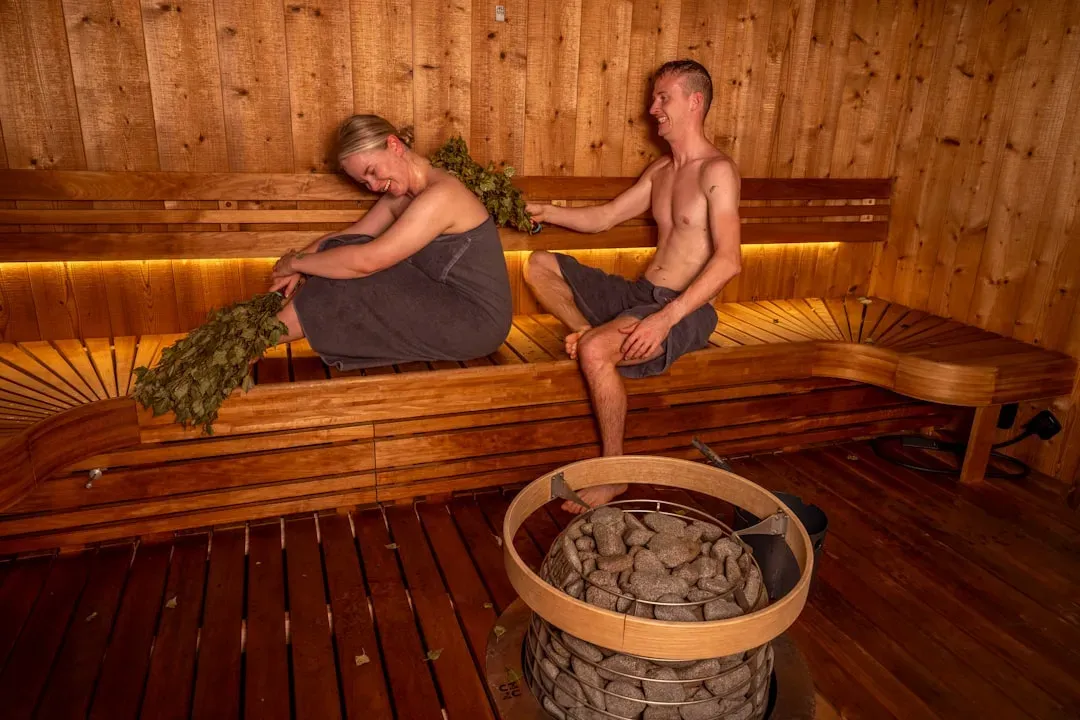
Begin sauna sessions at 150-160°F for 10-12 minutes rather than jumping to traditional Finnish temperatures of 170-190°F. Dehydration risk increases with age due to reduced thirst sensation and kidney function changes. Drink 16-20 ounces of water before sauna use and another 16-20 ounces after, monitoring urine color to ensure adequate hydration.
Localized heat applications should feel comfortably warm, never painful. Heating pads on medium settings for 15-20 minutes provide therapeutic benefit without burn risk. Those with diabetes or neuropathy may not feel excessive heat before tissue damage occurs, requiring lower temperatures and shorter durations with visual skin checks.
Medications affecting thermoregulation include diuretics, beta-blockers, anticholinergics, and many psychotropic drugs. Review your medication list with your physician before starting regular heat therapy, particularly sauna bathing.
Contrast Therapy: Combining Heat and Cold
Alternating between hot and cold creates a pumping action that enhances circulation beyond either therapy alone. A typical protocol involves 3-4 minutes of heat followed by 30-60 seconds of cold, repeated 3-5 times and always ending with cold. This approach works well for chronic injuries, arthritis, and general recovery.
"The contrast between hot and cold exposure creates a vascular gymnastics effect—blood vessels dilate with heat and constrict with cold, which may improve endothelial function and overall circulatory efficiency," says Dr. Rhonda Patrick, biomedical scientist and founder of FoundMyFitness, who has extensively researched heat stress and cardiovascular adaptation.
When to Avoid Temperature Therapy Entirely
Open wounds, active infections, and areas of impaired sensation are absolute contraindications for both heat and cold. Pregnancy, particularly first trimester, warrants caution with whole-body heating due to potential effects on fetal development. Recent surgery sites require physician approval before applying temperature therapy.
Cancer patients undergoing active treatment should consult their oncologist, as some evidence suggests heat may affect certain chemotherapy drugs or radiation therapy effects. Similarly, those with multiple sclerosis may experience temporary symptom worsening with heat exposure (Uhthoff's phenomenon), though cold generally poses no issues.
If you're unsure whether temperature therapy suits your specific health situation, a brief conversation with your physician prevents potential complications. Most people can safely use both heat and cold with appropriate precautions, but individual medical history occasionally reveals specific reasons for modification or avoidance.
Start your temperature therapy practice this week with a simple protocol: apply heat before your morning stretching routine for 15 minutes, then experiment with 60 seconds of cool water on your legs at the end of your shower. Track how you feel throughout the day and adjust from there, building gradually toward more intensive applications as your body adapts and you identify what works best for your specific needs.
Related Articles
- Sauna Health Benefits: Complete Evidence-Based Guide
- Sauna for Stress Relief: How Heat Therapy Reduces Anxiety
- Sauna Benefits for Cardiovascular Health: Complete Guide
- Far Infrared Sauna Benefits: Complete Evidence Review
- Sauna for Muscle Recovery: Benefits & Best Practices
- Steam Room vs Sauna Health Benefits: Which Is Better?
Frequently Asked Questions
Should I use cold or heat immediately after an injury?
Use cold therapy immediately after acute injuries to reduce inflammation and swelling through vasoconstriction. Apply cold for the first 24-72 hours post-injury, then transition to heat if the acute phase has resolved. However, if you have chronic pain or a condition lasting weeks or months, heat is typically more beneficial for maintaining mobility and circulation.
How long should I apply cold or heat therapy for best results?
The article emphasizes that timing is critical—brief cold exposure provides hormetic benefits, while prolonged cold becomes harmful. While specific duration isn't detailed in the article, standard protocols typically recommend 15-20 minutes per session. Consult a healthcare provider for personalized timing based on your condition and age.
Can I use heat therapy before exercise to improve performance?
Yes, heat therapy before activity helps prepare muscles by increasing circulation and relaxing tissue. However, 2024 research cited in the article shows hot water immersion is superior to cold for maintaining muscle power output, making it an effective pre-activity choice for preserving strength and performance.
Is contrast therapy (alternating hot and cold) safe for older adults?
The article mentions contrast therapy as an option but emphasizes that age matters significantly for how your body responds to temperature therapy. Older adults should follow specific safety protocols before attempting contrast therapy. Consult with a healthcare provider to ensure it's appropriate for your individual health status and cardiovascular condition.
What are the mental health benefits of cold therapy?
Cold exposure stimulates noradrenaline release, a neurochemical that sharpens mental clarity, elevates mood, and reduces pain perception according to 2014 research. Additionally, brief cold exposure activates your nervous system's adaptive stress response, building resilience to both physical and psychological stressors over time.
Can heat therapy help with arthritis and chronic pain?
Yes, heat therapy is specifically beneficial for chronic pain and arthritis management. The vasodilation from heat increases circulation and oxygen delivery to damaged areas, while heat shock proteins repair cellular damage. The warmth also activates pain gate mechanisms in your spinal cord, directly reducing pain perception.
Are there conditions where I should avoid temperature therapy entirely?
The article identifies that certain situations warrant avoiding temperature therapy, though specific contraindications aren't detailed in the provided text. The section "When to Avoid Temperature Therapy Entirely" addresses this—consult your healthcare provider about your specific medical conditions before starting either therapy.