Daily Sauna Benefits: What Happens to Your Body

Daily sauna use triggers a cascade of physiological adaptations that begin within minutes of your first session and compound over months into measurable improvements in cardiovascular health, cognitive function, and longevity. Your heart rate increases by 30% or more during each session, your core temperature rises 1-2 degrees, and your body activates cooling mechanisms that strengthen with each exposure (according to Harvard Health). These aren't just temporary responses, consistent daily practice rewires your cardiovascular system, reduces chronic inflammation, and may cut your risk of sudden cardiac death by more than 60% compared to once-weekly use (according to research published in BMC Medicine).
Table of Contents
- What Happens During Your First Daily Sauna Session
- Immediate Cardiovascular Response (Minutes 1-5)
- Body Temperature and Sweating Activation (Minutes 5-15)
- Post-Session Recovery and the Cooling-Down Period
- Changes Your Body Experiences in the First Week of Daily Use
- Sleep Quality and Stress Hormone Reduction
- Muscle Recovery and Pain Relief Effects
- Building Heat Tolerance and Sweat Efficiency
- Cardiovascular and Metabolic Benefits After 2-4 Weeks
- Blood Pressure and Vascular Health Improvements
- Heart Rate Variability and Cardiovascular Fitness
- Metabolic and Insulin Sensitivity Changes
- Long-Term Benefits: What Happens After Months of Daily Sauna Use
- Cognitive Function and Brain Health
- Immune System Enhancement and Inflammation Reduction
- Longevity Markers and Overall Health Span
- Safe Daily Sauna Practices: How to Maximize Benefits While Minimizing Risks
Understanding what happens at each stage helps you optimize timing, duration, and safety protocols. Here's what the science reveals about daily sauna practice from your first session through months of consistent use.
What Happens During Your First Daily Sauna Session
Your body responds to sauna heat as a controlled stressor, activating adaptive systems that strengthen with repetition. The changes unfold in predictable stages as your core temperature climbs and your cardiovascular system adjusts to the thermal challenge.
Physiological Changes During Your First Sauna Session
| Time Period | Heart Rate | Core Temperature | Skin Temperature | Key Response |
|---|---|---|---|---|
| Minutes 1-5 | 100-150 bpm | ~98.6°F (baseline) | Rising | Immediate cardiovascular activation; blood vessels dilate |
| Minutes 5-15 | Sustained elevated | 100-102°F | ~104°F | Sweating begins; fluid loss 0.5-1 lb per session |
| Post-Session (10-20 min) | Descending gradually | Normalizing | Decreasing | Continued sweating; parasympathetic activation begins |
| Recovery (30-60 min) | Returning to baseline | Normal | Normal | Heart rate stabilizes; rest-and-recovery phase completes |
Immediate Cardiovascular Response (Minutes 1-5)
Within the first five minutes, your heart rate jumps from resting levels to 100-150 beats per minute, comparable to moderate-intensity exercise like brisk walking (according to a review in Mayo Clinic Proceedings). Your blood vessels dilate significantly as blood rushes toward your skin surface to facilitate heat dissipation. This increased cardiac output, your heart may pump nearly double its resting blood volume per minute, creates beneficial stress similar to cardiovascular exercise while you sit still.
Blood pressure typically drops slightly during sauna use as peripheral vessels expand, though individual responses vary. If you have diagnosed heart conditions, this cardiovascular activation requires medical clearance before starting daily sessions. The response mimics exercise stress without the mechanical load on joints, which explains why sauna bathing benefits older adults who can't tolerate high-impact activity.
Body Temperature and Sweating Activation (Minutes 5-15)
Your core temperature rises from roughly 98.6°F to between 100-102°F as heat penetrates deeper tissues. Skin temperature climbs even higher, reaching approximately 104°F as your body prioritizes surface cooling (according to Harvard Health). Sweating begins almost immediately in heat-adapted individuals but may take several minutes if you're new to sauna practice.
You'll lose approximately 0.5-1 pound of fluid through sweat during a typical 15-20 minute session at 170-190°F. This fluid loss includes water and trace electrolytes, particularly sodium and potassium. Older adults should drink 16-20 ounces of water before entering and another 16-20 ounces within 30 minutes of exiting to maintain proper hydration status.
Post-Session Recovery and the Cooling-Down Period
Your body continues sweating for 10-20 minutes after you exit as your core temperature gradually normalizes. Heart rate descends toward baseline over 30-60 minutes, though this recovery period varies based on session intensity and individual fitness levels. This extended cooling phase activates your parasympathetic nervous system, the branch responsible for rest and recovery responses.
Rushing this cool-down period or immediately taking a cold shower can stress your cardiovascular system unnecessarily. Allow at least 10 minutes of gradual cooling in a comfortable temperature environment before showering or dressing.
Changes Your Body Experiences in the First Week of Daily Use
The first week brings noticeable adaptations as your body becomes more efficient at managing heat stress. You'll likely feel these changes in your sleep quality, muscle tension, and overall energy levels before measurable cardiovascular improvements appear.

Sleep Quality and Stress Hormone Reduction
Evening sauna sessions 1-2 hours before bedtime trigger a temperature drop that signals your body to initiate sleep processes. Your core temperature must fall for deep sleep to occur, and the post-sauna cooling period accelerates this natural decline. Many users report falling asleep faster and experiencing fewer nighttime awakenings during the first week of consistent practice.
Sauna exposure reduces cortisol levels, your primary stress hormone, for several hours following each session. This cortisol reduction combined with increased endorphin production creates a relaxation response that persists into the evening. For optimal sleep benefits, complete your sauna session by 8 PM if you typically sleep at 10 PM, allowing adequate cooling time.
Muscle Recovery and Pain Relief Effects
Increased blood flow to muscle tissue during heat exposure delivers oxygen and nutrients while removing metabolic waste products that contribute to soreness. Research shows sauna use within 30 minutes post-exercise reduces delayed onset muscle soreness (DOMS) by approximately 30-40% compared to passive recovery. The heat also temporarily reduces pain signal transmission, providing relief for arthritis and chronic pain conditions common in older adults.
This isn't permanent pain elimination but rather a therapeutic window that can make movement and daily activities more comfortable. The anti-inflammatory effects compound with regular use, potentially reducing baseline pain levels over weeks to months.
Building Heat Tolerance and Sweat Efficiency
Your sweat glands become more responsive within just 3-5 sessions of daily exposure. You'll notice sweating begins earlier in each session and produces more fluid, this is adaptation, not dehydration. Heat shock proteins, protective molecules that help cells withstand stress, begin increasing production during this first week.
These early adaptations make subsequent sessions more comfortable and allow you to extend duration gradually. Most people can increase from 10-12 minute initial sessions to 15-20 minutes by the end of week one.
Cardiovascular and Metabolic Benefits After 2-4 Weeks
Measurable cardiovascular improvements emerge with consistent practice over several weeks. These changes reflect genuine physiological adaptations rather than temporary responses to individual sessions.
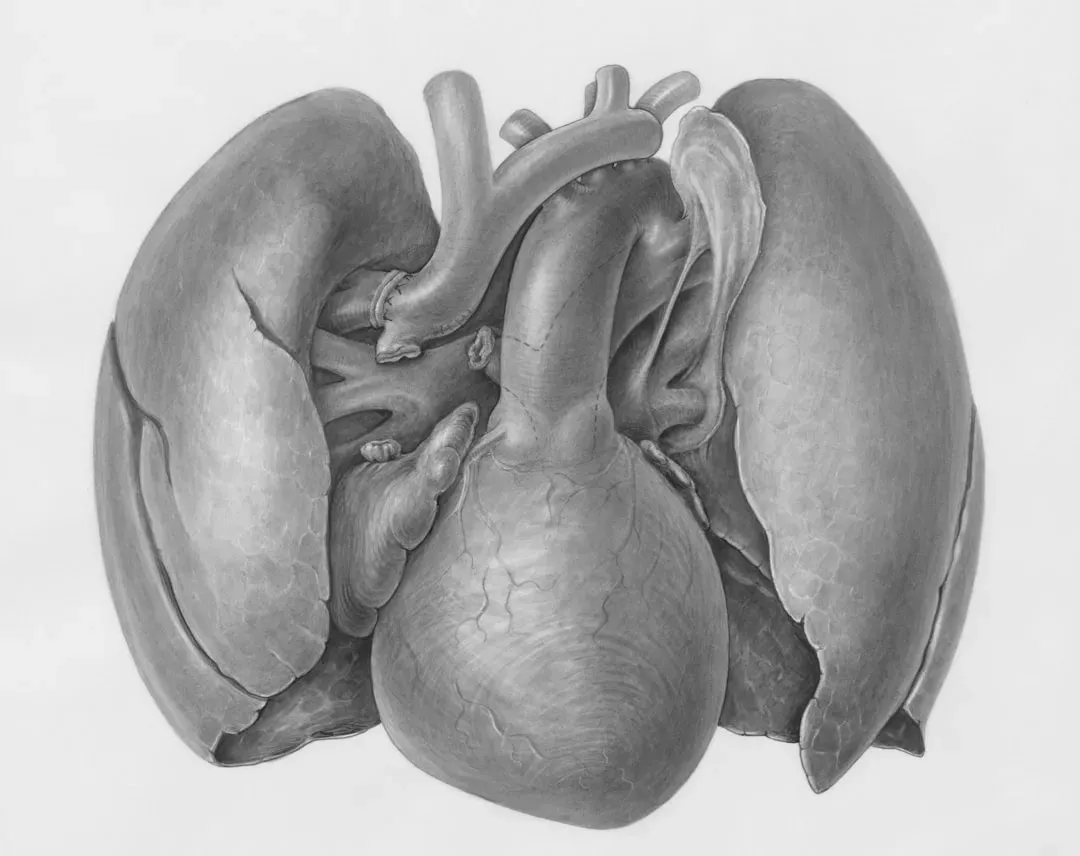
Blood Pressure and Vascular Health Improvements
Regular sauna bathing reduces both systolic and diastolic blood pressure in normotensive and hypertensive individuals (according to research in Mayo Clinic Proceedings). Reductions of 5-10 mmHg in systolic pressure typically appear after 2-3 weeks of daily or near-daily use. The mechanism involves improved endothelial function, the inner lining of blood vessels becomes more responsive to signals that regulate vessel dilation and constriction.
Arterial stiffness, a marker of cardiovascular aging, decreases measurably with regular sauna exposure. This improved arterial compliance means your blood vessels can expand and contract more efficiently, reducing strain on your heart. For older adults with hypertension, these benefits can complement medication, though you should never adjust prescriptions without medical supervision.
Heart Rate Variability and Cardiovascular Fitness
Heart rate variability (HRV), the variation in time between heartbeats, improves with regular sauna practice, indicating better stress resilience and cardiovascular health. Higher HRV correlates with improved autonomic nervous system function and reduced cardiovascular disease risk. You'll also notice your resting heart rate decreases by 2-5 beats per minute, similar to adaptations from aerobic exercise training.
These cardiovascular fitness improvements occur without the joint stress of running or high-impact activities, making sauna bathing particularly valuable for individuals with mobility limitations or orthopedic concerns.
Metabolic and Insulin Sensitivity Changes
Emerging research suggests regular sauna use improves glucose control and insulin sensitivity, though the evidence is less robust than for cardiovascular benefits. Heat exposure activates metabolic pathways similar to exercise, increasing glucose uptake in muscle tissue and improving insulin receptor function. For individuals with prediabetes or type 2 diabetes, these metabolic improvements may contribute to better glycemic control when combined with dietary management and physical activity.
Long-Term Benefits: What Happens After Months of Daily Sauna Use
The most compelling benefits emerge with months of consistent practice, particularly regarding cognitive function, immune resilience, and longevity markers that appear in population studies.
Timeline of Sauna Adaptation Benefits
| Duration | Primary Benefits | Cardiovascular Changes | Other Measurable Improvements |
|---|---|---|---|
| First Week | Sleep quality improvement; stress hormone reduction; heat tolerance building | Increased cardiac output efficiency; blood vessel adaptation begins | Faster sleep onset; reduced muscle tension; improved sweat response |
| 2-4 Weeks | Blood pressure regulation; vascular health improvements | Enhanced heart rate variability; improved cardiovascular fitness | Metabolic rate increase; insulin sensitivity improvements |
| Months of Daily Use | Cognitive function enhancement; immune system strengthening; inflammation reduction | 60% reduction in sudden cardiac death risk (vs. weekly use); sustained vascular benefits | Longevity markers improved; overall health span extended; chronic inflammation reduced |
Cognitive Function and Brain Health
Finnish research following men for 20 years found that those using saunas 4-7 times weekly had 66% lower dementia risk and 65% lower Alzheimer's disease risk compared to once-weekly users (according to research published in Age and Ageing). The mechanism likely involves increased production of brain-derived neurotrophic factor (BDNF), a protein that supports neuron growth and survival.
Some users report improved focus and mental clarity, though evidence for sauna benefits in ADHD specifically remains limited and anecdotal. The cognitive benefits appear most pronounced for age-related decline rather than developmental attention disorders. Heat exposure also increases cerebral blood flow, potentially supporting overall brain health through improved nutrient delivery.
Immune System Enhancement and Inflammation Reduction
Regular sauna bathing increases white blood cell production and activates heat shock proteins that help your immune system respond more efficiently to threats. Studies show reduced incidence of common colds and respiratory infections among frequent sauna users. Chronic inflammation markers like C-reactive protein decrease with consistent practice, addressing a root cause of age-related disease.
This immune enhancement matters particularly for older adults experiencing immunosenescence, the gradual decline in immune function with aging. The heat stress acts as a mild challenge that keeps immune cells responsive and ready.
Longevity Markers and Overall Health Span
A landmark study following 1,688 Finnish participants for 15 years found that frequent sauna bathing (4-7 times weekly) reduced sudden cardiac death risk by 63% and all-cause mortality by 40% compared to once-weekly use (according to research in BMC Medicine). These benefits remained significant even after adjusting for physical activity levels, smoking status, and other cardiovascular risk factors.
The dose-response relationship is clear: more frequent sauna use correlates with greater mortality reduction. However, individual variation means some people require longer adaptation periods or modified protocols. The key is consistency over months and years rather than intensity in individual sessions.
Safe Daily Sauna Practices: How to Maximize Benefits While Minimizing Risks
Daily sauna use requires attention to hydration, session duration, and individual health status to maximize benefits while avoiding adverse effects.
Start with 10-12 minute sessions at 160-170°F and gradually increase to 15-20 minutes at 170-190°F over 2-3 weeks. Temperature and duration matter less than consistency, four 15-minute sessions weekly produce better outcomes than one 45-minute session. Drink 16-20 ounces of water before and after each session, more if you're sweating heavily or exercising beforehand.
I learned this lesson the hard way during my second week of daily sessions—I jumped from 12 minutes at 165°F straight to 25 minutes at 185°F, and by minute 20, I felt lightheaded and had to cut the session short. The enveloping heat that usually felt therapeutic suddenly became overwhelming, my heart racing uncomfortably. Now I follow the 2-3 week gradual progression religiously, and I keep a 20-ounce water bottle on the bench beside me, taking small sips every few minutes rather than chugging afterward.
Exit immediately if you experience dizziness, nausea, chest discomfort, or unusual shortness of breath. These symptoms indicate your cardiovascular system is overstressed. Older adults and those with cardiovascular conditions should obtain medical clearance before starting daily practice, as the cardiac demands mirror moderate exercise.
Avoid alcohol before sauna sessions, as it impairs your body's temperature regulation and increases dehydration risk. The combination has been linked to dangerous drops in blood pressure and increased accident risk. Similarly, never use sauna while taking medications that impair sweating or cardiovascular function without consulting your physician.
Listen to your body's signals and adjust frequency if you experience persistent fatigue, disrupted sleep, or increased resting heart rate, these indicate inadequate recovery between sessions. Most people tolerate daily use well, but some benefit from 5-6 sessions weekly with rest days built in. Track your response over the first month to find your optimal frequency.
Ready to start experiencing these benefits? Begin with three 12-minute sessions this week at a comfortable temperature, focus on proper hydration, and gradually increase frequency as your heat tolerance builds. The cardiovascular and longevity benefits accumulate with each session, making consistency your most powerful tool for long-term health optimization.

Frequently Asked Questions
How long should each daily sauna session be to get health benefits?
The article references 15-20 minute sessions at 170-190°F as typical, though optimal duration isn't explicitly stated. Start with shorter sessions (10-15 minutes) if you're new to sauna use and gradually increase as your heat tolerance builds over the first week.
Is it safe to use a sauna every single day?
Daily sauna use is presented as beneficial in the article, but those with diagnosed heart conditions require medical clearance before starting. The article emphasizes following safe practices and proper hydration protocols, suggesting daily use is safe for most healthy individuals when done correctly.
How much water should I drink before and after sauna sessions?
Drink 16-20 ounces of water before entering the sauna and another 16-20 ounces within 30 minutes of exiting. This replacement is especially important for older adults to maintain proper hydration and replace the 0.5-1 pound of fluid lost through sweat during a typical session.
When will I start seeing cardiovascular improvements from daily sauna use?
Initial cardiovascular changes occur within the first session, but measurable improvements in blood pressure and vascular health develop after 2-4 weeks of consistent daily use. Long-term benefits like significant reduction in sudden cardiac death risk (60%+ compared to weekly use) compound over months of practice.
Why is daily sauna use better than using it once a week?
Daily sauna practice compounds physiological adaptations and rewires your cardiovascular system more effectively than weekly sessions. Research shows daily users have a 60% greater reduction in sudden cardiac death risk compared to once-weekly users, demonstrating that consistency amplifies the protective benefits.
Can older adults benefit from sauna use if they can't exercise?
Yes, sauna bathing is particularly beneficial for older adults who can't tolerate high-impact exercise because it creates cardiovascular stress similar to exercise while you sit still, without mechanical load on joints. This makes it an accessible way to gain exercise-like benefits.
What electrolytes am I losing through sweat in the sauna?
Your body loses trace electrolytes through sweat, particularly sodium and potassium. While the article doesn't specify exact amounts, it emphasizes hydration replacement; consider electrolyte-enhanced water if you're doing extended sessions or have concerns about mineral loss.
How long does it take to build heat tolerance for daily sauna use?
Heat tolerance builds within the first week of daily use, with noticeable improvements in sweat efficiency and the ability to tolerate higher temperatures. Your body becomes more efficient at activating cooling mechanisms with each exposure, allowing you to gradually increase session duration and intensity.