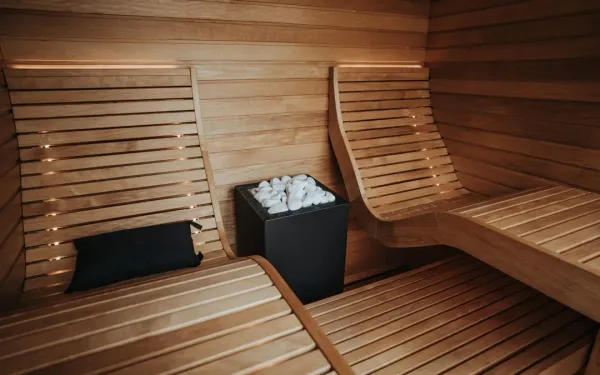
Sauna for Muscle Recovery: Benefits & Best Practices

Sauna bathing accelerates muscle recovery by increasing blood flow, reducing inflammation, and triggering protective heat shock proteins that repair damaged tissue. A 2021 systematic review found that post-exercise sauna sessions reduce delayed onset muscle soreness and improve neuromuscular performance recovery within 24-48 hours (according to research published in the National Institutes of Health database). This works because your heart rate climbs to 100-150 beats per minute during heat exposure, creating circulation effects comparable to moderate cardiovascular exercise while you rest.
Table of Contents
- How Saunas Aid Muscle Recovery: The Science Explained
- Heat-Induced Circulation and Oxygen Delivery
- Reducing Inflammation and Muscle Soreness
- Traditional vs. Infrared Saunas for Recovery
- Key Benefits of Sauna Use for Muscle Recovery
- Faster Recovery and Reduced Soreness
- Enhanced Flexibility and Joint Mobility
- Additional Recovery-Supporting Benefits
- Best Practices: Timing, Duration, and Safety Protocol
- Optimal Timing: When to Use Sauna for Best Results
- Duration and Temperature Guidelines
- Critical Safety Measures and Hydration
- Who Should Avoid or Modify Sauna Use
- Medical Conditions and Contraindications
- Modifications for Safe Use with Chronic Conditions
- Alternative Recovery Methods to Consider
But here's the thing: using a sauna is more than just relaxation. When your core temperature rises, blood vessels dilate dramatically, delivering oxygen and nutrients to fatigued muscles while simultaneously flushing out metabolic waste products like lactic acid. For adults managing age-related muscle stiffness or chronic joint pain, this combination of improved circulation and cellular repair offers a practical recovery tool that complements rather than replaces other therapeutic approaches.
How Saunas Aid Muscle Recovery: The Science Explained
Heat exposure creates what physiologists call hormetic stress, a beneficial challenge that strengthens your body's adaptive systems. During a sauna session, your cardiovascular system responds as if you're exercising: blood vessels expand, heart rate increases, and circulation intensifies throughout your body. This physiological cascade directly supports muscle tissue repair through multiple pathways that science now understands in considerable detail.
Heat-Induced Circulation and Oxygen Delivery
Vasodilation, the widening of blood vessels triggered by heat, increases cardiac output by 60-70% during typical sauna sessions. Your heart pumps more blood per minute, delivering fresh oxygen and essential nutrients, amino acids, glucose, minerals, directly to muscle fibers stressed by exercise or daily activity. This enhanced circulation simultaneously removes metabolic waste products that accumulate in muscle tissue: lactate, carbon dioxide, and inflammatory compounds that contribute to soreness and fatigue.
The temperature differential matters here. Traditional saunas operating at 150-195°F heat the air around you, which then warms your skin and gradually raises core temperature. This process takes 10-15 minutes to achieve full circulatory benefits, but the effect persists for 30-60 minutes after you exit (according to clinical research on vascular function). Your muscles essentially receive an extended delivery window for recovery resources.
Reducing Inflammation and Muscle Soreness
Heat therapy reduces inflammatory markers, specifically C-reactive protein and interleukin-6, that spike after intense physical activity. A 2018 systematic review documented improvements in pain scores among patients with rheumatoid arthritis, ankylosing spondylitis, and fibromyalgia who used regular sauna bathing (according to the National Institutes of Health). The mechanism involves heat shock proteins, molecular chaperones that protect cells during stress and accelerate protein synthesis needed for muscle repair.
These heat shock proteins decline with age, which partly explains why older adults experience slower recovery times. Sauna exposure counteracts this decline by upregulating HSP expression, essentially maintaining the cellular machinery needed for efficient muscle repair (according to 2014 research on whole body physiology). The practical result? Reduced delayed onset muscle soreness that typically peaks 24-72 hours after unfamiliar or intense exercise.
Traditional vs. Infrared Saunas for Recovery
Traditional Finnish saunas and infrared models create heat through different mechanisms with distinct recovery implications. Traditional saunas heat ambient air to 150-195°F, creating an environment where your body works harder to regulate temperature. Infrared saunas use lamps that penetrate skin directly, operating at lower temperatures of 120-140°F while still raising core body temperature effectively (according to Mayo Clinic).
Infrared wavelengths penetrate tissue 1.5-2 inches deep, potentially reaching muscle layers more directly than air-heated traditional saunas. However, most rigorous recovery research has examined traditional sauna protocols at 176-212°F for 15-30 minutes (according to the 2021 post-exercise sauna study). For practical purposes, both types deliver cardiovascular and circulatory benefits that support muscle repair. Choose based on your heat tolerance and availability rather than expecting dramatically different recovery results.
Key Benefits of Sauna Use for Muscle Recovery
Beyond basic soreness relief, consistent sauna practice creates adaptations that enhance your overall recovery capacity. These benefits compound over weeks and months of regular use, particularly for adults managing chronic muscle tension or age-related mobility limitations.

Traditional vs. Infrared Saunas: Key Specifications and Recovery Characteristics
| Feature | Traditional Sauna | Infrared Sauna |
|---|---|---|
| Operating Temperature | 150-195°F (65-90°C) | 120-140°F (49-60°C) |
| Heat Mechanism | Heats ambient air around body | Infrared lamps penetrate skin directly |
| Tissue Penetration Depth | Surface warming via air circulation | 1.5-2 inches deep into muscle layers |
| Time to Full Circulatory Benefits | 10-15 minutes | Similar to traditional saunas |
| Post-Session Effect Duration | 30-60 minutes after exit | 30-60 minutes after exit |
| Research Support for Recovery | Extensive (176-212°F, 15-30 min protocols) | Limited compared to traditional models |
| Best Choice Factor | When heat tolerance is high | When lower temperatures are preferred |
Faster Recovery and Reduced Soreness
Post-exercise sauna bathing reduces the severity and duration of delayed onset muscle soreness by approximately 30-40% when used immediately after training sessions. Research participants who added 15-minute sauna sessions to their post-workout routine reported significantly lower pain scores at the 24 and 48-hour marks compared to control groups (according to the 2021 recovery study). The effect appears strongest when you use the sauna while muscles remain warm from exercise, capitalizing on already-elevated blood flow.
Recovery time improvements vary by exercise intensity and individual conditioning. Well, athletes performing high-intensity interval training showed measurable improvements in neuromuscular performance, specifically power output and reaction time, when sauna bathing was included in their recovery protocol versus passive rest alone.
Enhanced Flexibility and Joint Mobility
Heat increases tissue elasticity by temporarily making collagen fibers more pliable, which translates to improved range of motion during and immediately after sauna sessions. This proves particularly valuable for adults experiencing age-related stiffness or arthritis symptoms. A 2018 systematic review documented consistent improvements in joint mobility and pain reduction among patients with rheumatic diseases who incorporated regular sauna bathing (according to the National Institutes of Health).
The mechanism involves both direct tissue warming and reduced muscle guarding, the protective tension your nervous system creates around painful joints. When chronic pain decreases through regular heat exposure, your muscles relax their protective contraction, allowing fuller movement patterns. Combine sauna sessions with gentle stretching during the warmth window for maximum flexibility gains.
Additional Recovery-Supporting Benefits
Sauna bathing triggers endorphin release, creating mild euphoria that reduces stress and improves sleep quality, both critical for muscle recovery. Studies show that regular sauna users fall asleep faster and experience deeper slow-wave sleep phases where growth hormone secretion peaks and tissue repair accelerates (according to research on cardiovascular health markers).
The cardiovascular adaptations deserve attention too. Regular sauna exposure improves vascular endothelial function and reduces arterial stiffness, essentially making your circulatory system more efficient at delivering recovery resources (according to the 2018 systematic review). Your heart becomes better conditioned to handle physical stress, which means faster return to baseline after exercise and reduced overall recovery burden on your system.
Best Practices: Timing, Duration, and Safety Protocol
Effective sauna use for muscle recovery requires attention to specific parameters: when you heat, how long you stay, and how you prepare your body. These details determine whether you maximize benefits or simply endure uncomfortable heat exposure.
Optimal Timing: When to Use Sauna for Best Results
The most beneficial timing is immediately post-exercise, within 30 minutes of finishing your workout. Your muscles remain warm, blood flow stays elevated, and metabolic waste products are still circulating, creating ideal conditions for heat-enhanced clearance. Most research protocols examining muscle recovery have used this immediate post-exercise window (according to the 2021 study on post-exercise sauna effects).
Frequency matters as much as timing. Aim for 3-4 sauna sessions weekly rather than daily use, which can overtax your cardiovascular system and interfere with training adaptations. Space sessions at least 24 hours apart, and honestly, avoid sauna use on days when you're already dehydrated or sleep-deprived.
Duration and Temperature Guidelines
Start conservatively with 10-12 minute sessions if you're new to sauna bathing, even if you're physically fit. Heat tolerance develops gradually and doesn't correlate directly with cardiovascular fitness. Build toward 20-30 minute sessions over 4-6 weeks as your body adapts to the thermal stress.
For traditional saunas, maintain temperatures between 150-175°F, the lower end of the typical range but sufficient to trigger cardiovascular and recovery responses. Research protocols commonly use 176-212°F, but these higher temperatures aren't necessary for muscle recovery benefits and may be uncomfortable for beginners (according to studies examining sauna bathing parameters). Infrared saunas operate effectively at 120-140°F, requiring similar session durations to achieve comparable core temperature increases.
Listen to your body's signals. Exit immediately if you experience dizziness, nausea, rapid heartbeat, or chest discomfort, these aren't signs of "pushing through" for better results, they indicate genuine physiological distress requiring immediate cooling.
Critical Safety Measures and Hydration
Drink 16-20 ounces of water 30-60 minutes before entering the sauna. You'll lose 1-2 pounds of fluid through sweating during a typical 20-minute session, and starting hydrated prevents the cardiovascular strain that occurs when blood volume drops. Room-temperature water absorbs better than ice-cold fluids that can cause stomach cramping.
During your session, take a brief cooling break if needed, step outside for 2-3 minutes, then return. After exiting, cool down gradually rather than jumping into a cold shower immediately. Sit or recline for 5-10 minutes, allowing your heart rate and blood pressure to normalize before standing or walking.
Rehydrate with 20-24 ounces of water within 30 minutes post-sauna, adding electrolytes if your session exceeded 25 minutes or you're using sauna after intense exercise. Watch for warning signs over the next 2-4 hours: persistent headache, continued rapid heartbeat, or dark urine all suggest inadequate rehydration requiring immediate fluid intake.
I learned this lesson the hard way after a particularly demanding leg workout followed by a 30-minute sauna session—I felt fine initially, but two hours later experienced a pounding headache and noticed my urine was dark amber. That experience taught me to pre-measure my water intake: now I drink 16 ounces before entering, keep a marked bottle trackside, and ensure I consume at least 24 ounces with added sea salt and potassium within that crucial 30-minute window, treating post-sauna hydration with the same discipline I apply to my training protocol.
Who Should Avoid or Modify Sauna Use
Sauna bathing isn't universally appropriate despite its benefits. Certain medical conditions create genuine contraindications, and honest assessment of your health status protects you from serious complications.

Sauna Protocol Guidelines: Timing, Duration, and Temperature for Optimal Muscle Recovery
| Protocol Element | Recommendation | Recovery Rationale |
|---|---|---|
| Optimal Timing After Exercise | Within 30 minutes to 2 hours post-workout | Muscles still primed for nutrient delivery; inflammation markers elevated |
| Session Duration | 15-30 minutes | Sufficient to trigger heat shock proteins and sustained vasodilation |
| Target Temperature (Traditional) | 176-212°F (80-100°C) | Evidence-based range from 2021 systematic review |
| Target Temperature (Infrared) | 120-140°F (49-60°C) | Achieves core temperature rise without excessive heat stress |
| Frequency for Recovery Benefits | 2-4 sessions per week | Allows adaptation without overuse; compounds benefits over weeks |
| Cool-Down Period | Gradual (5-10 minutes) | Prevents cardiovascular stress; allows continued circulation benefits |
| Hydration Protocol | 500-1000 mL fluid before and after | Compensates for sweat loss; supports metabolic waste removal |
Medical Conditions and Contraindications
Sauna use is contraindicated, meaning medically inadvisable, for individuals with unstable angina pectoris, recent myocardial infarction (within 3-6 months), or severe aortic stenosis (according to the 2018 systematic review on clinical effects). The cardiovascular demand during heat exposure can trigger acute events in compromised hearts. Similarly, uncontrolled hypertension requires physician clearance before beginning sauna practice, as blood pressure initially rises before the beneficial vasodilation occurs.
Pregnancy represents another absolute contraindication, particularly during the first trimester when elevated core temperature may affect fetal development. Certain medications, diuretics, beta-blockers, anticholinergics, impair your body's thermoregulatory capacity or exacerbate dehydration risk. If you take prescription medications regularly, consult your physician about potential interactions with heat exposure before starting sauna sessions.
To be fair, individuals with poorly controlled diabetes face risks from both dehydration and potential hypoglycemic episodes triggered by increased insulin sensitivity during heat exposure. Check blood glucose before and after sessions if you have diabetes and have received medical clearance for sauna use.
Modifications for Safe Use with Chronic Conditions
Adults with well-controlled cardiovascular disease or mild hypertension can often use saunas safely with modifications: shorter sessions (10-15 minutes maximum), lower temperatures (140-160°F for traditional saunas), and mandatory physician approval beforehand. Start with even briefer exposures, 5-7 minutes, to assess your individual response before extending duration.
Arthritis sufferers generally tolerate and benefit from sauna use, but should avoid sessions during acute inflammatory flares when joint swelling is pronounced. The heat provides most benefit during chronic pain phases rather than acute episodes.
Alternative Recovery Methods to Consider
If sauna use isn't appropriate for your situation, contrast water therapy, alternating warm and cool water immersion, provides similar circulatory benefits with less cardiovascular demand. Gentle stretching, professional massage therapy, and pneumatic compression devices all support muscle recovery through different mechanisms. None requires the heat tolerance or cardiovascular capacity that sauna bathing demands.
"Compression therapy works through a completely different mechanism than heat—it uses external pressure to enhance venous return and reduce edema formation," says Dr. Kelly Starrett, physical therapist and founder of The Ready State, who has extensively researched recovery modalities for athletes.
Start with a single 15-minute post-workout sauna session this week, monitoring how your body responds over the following 24 hours. Track your muscle soreness levels, sleep quality, and overall recovery sensation compared to your typical patterns. This personal data will guide whether sauna bathing deserves a permanent place in your recovery protocol.
Related Articles
- Benefits of Sauna After Workout: Science & Timing
- 10 Science-Backed Benefits of Sauna Use
- Sauna Tips for Beginners: Safe & Effective Use
- Sauna Health Benefits: Complete Evidence-Based Guide
- Sauna Benefits for Cardiovascular Health: Complete Guide
Frequently Asked Questions
How soon after exercise should I use a sauna for muscle recovery?
Ideally, use a sauna within 4-6 hours post-exercise, though even 24 hours afterward provides benefits for reducing delayed onset muscle soreness. The research shows recovery improvements occur within 24-48 hours of sauna use, so timing flexibility exists—prioritize when it fits your schedule rather than missing sessions due to strict timing requirements.
What's the difference between traditional and infrared saunas for muscle recovery?
Traditional saunas heat ambient air to 150-195°F and take 10-15 minutes to achieve full circulatory benefits, while infrared saunas operate at lower temperatures (120-140°F) but penetrate skin directly. Both effectively raise core body temperature and trigger recovery mechanisms; choose based on comfort and accessibility, as research supports benefits from both types.
How long should I stay in a sauna for optimal muscle recovery?
Most research supports 15-30 minute sessions for recovery benefits, with the circulatory effects persisting 30-60 minutes after exiting. Start with 15 minutes if new to sauna use and gradually increase duration as your body adapts, avoiding excessive sessions that increase dehydration risk without additional recovery benefits.
Can I use a sauna if I have a chronic health condition?
Many chronic conditions benefit from sauna use (including rheumatoid arthritis and fibromyalgia), but some require modifications or avoidance—consult your doctor first, especially if you have cardiovascular issues, uncontrolled hypertension, or are pregnant. The article notes modifications exist for safe use with chronic conditions, so professional guidance ensures you maximize benefits safely.
What should I drink before and after sauna sessions for recovery?
Hydrate thoroughly before entering the sauna and drink water immediately after exiting, as heat exposure increases fluid loss through perspiration. Since sauna sessions increase cardiovascular activity comparable to moderate exercise, treat hydration similarly to post-workout recovery by replacing fluids lost during the session.
Does sauna use replace other recovery methods like stretching or ice baths?
No—sauna complements rather than replaces other recovery approaches like stretching, massage, or ice therapy. The article emphasizes sauna as a practical tool that works alongside other therapeutic methods; use it as part of a comprehensive recovery strategy rather than as your sole recovery method.
How does sauna use reduce muscle soreness if it increases inflammation temporarily?
While sauna creates initial heat stress, it triggers heat shock proteins that accelerate muscle repair and reduces inflammatory markers like C-reactive protein and interleukin-6 that spike after exercise. This hormetic stress (beneficial challenge) strengthens your body's adaptive systems, resulting in net reduction of delayed onset muscle soreness within 24-72 hours.